placeholder for programs

Canadian Armed Forces

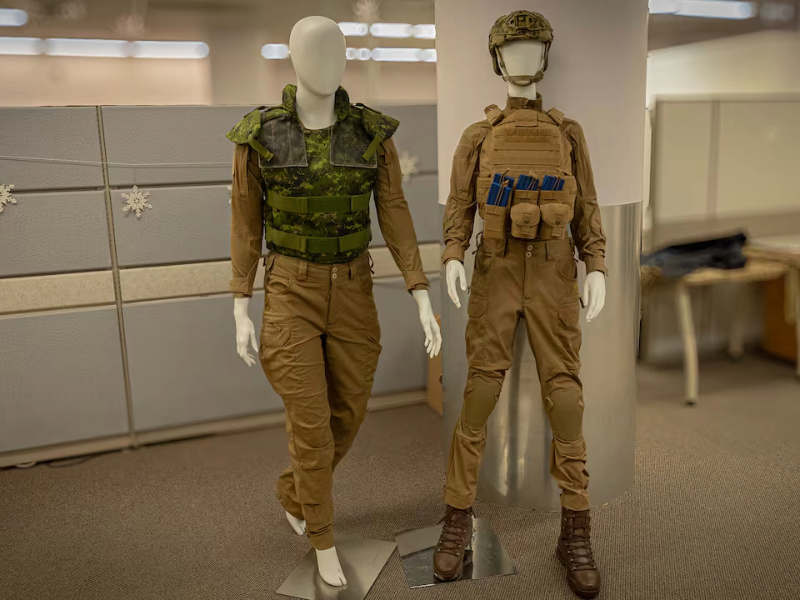
From Unisex to Women-Specific: Rethinking Equipment Fit in the CAF

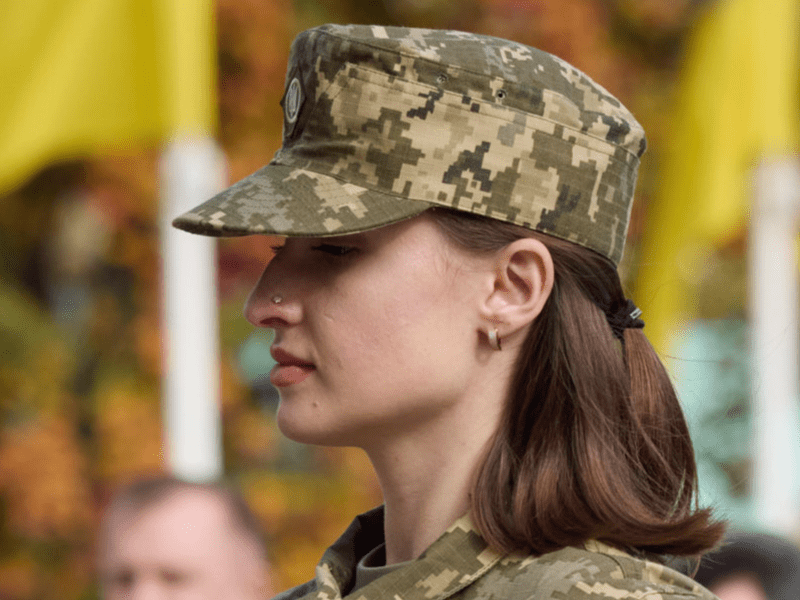
When “unisex” equipment is designed around male body norms, readiness is not neutral. As women’s participation in the Canadian Armed Forces grows, gendered differences in body proportions have practical consequences for mobility, endurance, and injury risk. Referencing NATO anthropometric data and Ukraine’s wartime redesign efforts, this article underscores why women-specific combat clothing fit is central to force generation and long-term sustainability.
Security, Trade and the Economy

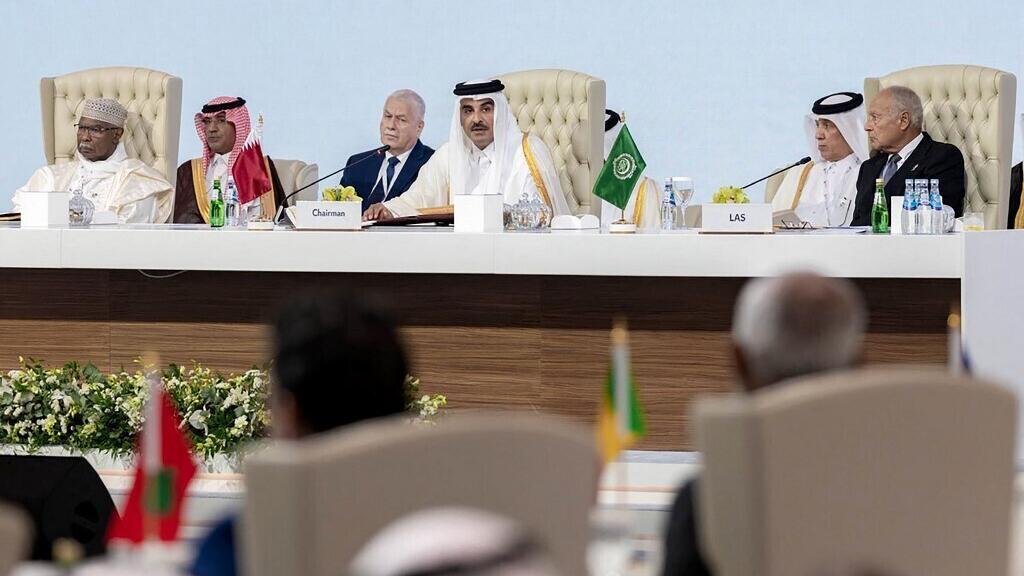
L’après-Doha et la perspective d’un « OTAN arabe »  

Au lendemain des frappes aériennes israéliennes contre Doha en septembre 2025, plusieurs États arabes et musulmans ont relancé l’idée d’une alliance militaire collective inspirée de l’Organisation du traité de l’Atlantique nord (OTAN). Cette proposition, parfois désignée comme « OTAN arabe » ou « OTAN islamique », vise à créer un cadre de sécurité régional fondé Read More…

Society, Culture, and Security

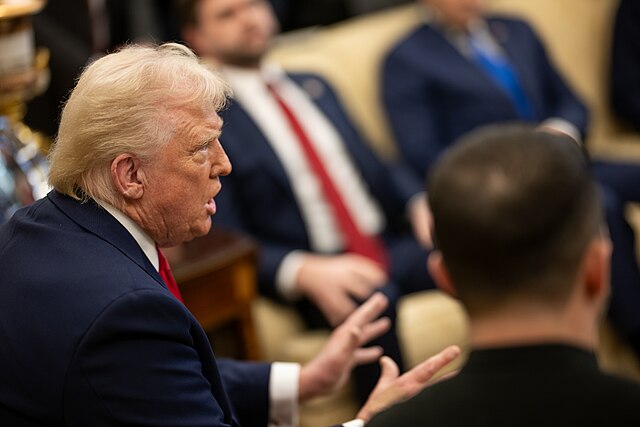
Le plan de Donald Trump pour l’Ukraine : percée diplomatique ou fantasme géopolitique ?

La réélection de Donald Trump en novembre 2024 a relancé le débat sur l’avenir de la guerre russo-ukrainienne et, plus crucial encore, sur la cohérence de l’alliance atlantique. À peine investi, Trump a fait fuiter début novembre 2025 un plan de paix en 28 points pour l’Ukraine, inspiré d’un document russe et négocié en secret Read More…

Women in Security

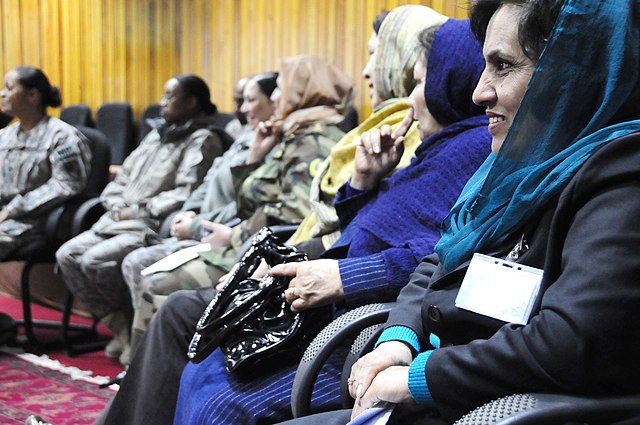
Parité ou Fragilité : Pourquoi l’Exclusion des Femmes Affaiblit la Sécurité Internationale

Au cours de la dernière décennie, il est clair que lorsque les femmes participent aux décisions de sécurité, la paix est plus durable. Une étude portant sur plus de 180 accords montre que ceux impliquant des femmes ont 35 % de chances supplémentaires de durer au-delà de quinze ans. Dans le Sahel, leur participation à Read More…

Indo-Pacific and NATO

What’s at Stake for Canada in the Indo-Pacific?

At the World Economic Forum in Davos in 2026, Prime Minister Mark Carney expressly cited Canada’s pension system as a worldwide benchmark. He highlighted how the durability of these funds originates from disciplined diversification, patient capital, and the ability to absorb shocks that destabilize other institutions. Canada’s public pension schemes are frequently referred to as Read More…

Energy Security Uncategorized

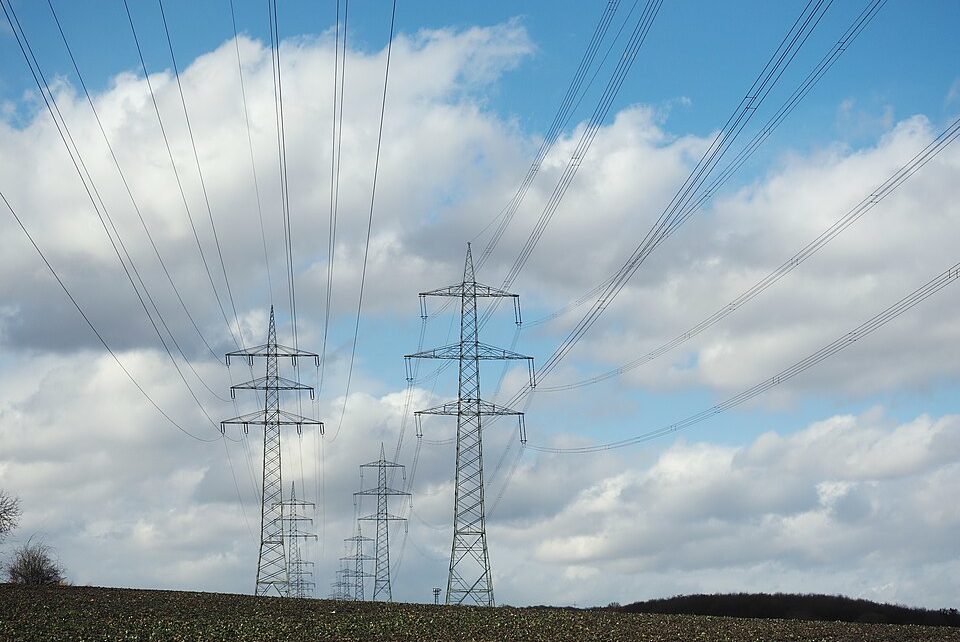
Rules not Rockets: Energy Regulation as Foreign Policy by Other Means

Energy security debates often focus on supply: who produces energy, who transports it, and who depends on whom. This framing has centered on the nexus between physical assets and trade flows—pipelines, terminals, generation capacity, and shipping routes. Increasingly, however, strategic vulnerability is shaped less by the location of infrastructure than by who controls it and Read More…

Rudy Yuan Society, Culture, and Security

Fighting the Culture of Disruption: NATO’s Role in Countering External Sabotage and Homegrown Terrorism in Europe 

On January 2nd 2026, 45,000 households in southwestern Berlin woke up to find themselves without power or heating in the middle of winter. Overnight, assailants set fire to a cable bridge near a power plant, disrupting parts of the Berlin power supply network for weeks. Even after power was eventually restored, the subsequent fallout from the city government’s lacklustre response has led to calls for the mayor, who had been caught playing tennis during Read More…

Isabelle Zhu Women in Security

Shifting Priorities in Ukraine: Is NATO’s WPS Agenda Under Threat?

WPS policies are often disregarded when matters deemed of higher priority emerge, despite NATO’s high engagement of WPS values through public diplomacy, military, and political means. Russia’s invasion of Ukraine has posed the biggest security crisis to NATO in decades, and considering the gendered dimensions of the war, which has seen high rates of sexual and gender
based violence, NATO’s limited WPS response leaves the future of the Agenda in question. As a core tenet of NATO’s values, WPS must not be disregarded; member states that have adopted FFPs, such as Canada, should continue to drive the WPS agenda forward. This article makes key recommendations, including shifting to a human rights-based approach (HRBA) and employing more intentional language in operational directives, to support Ukraine’s current WPS policies.

Christy Lorenz Women in Security

Divide and Conquer: How Gender-Based Disinformation Weakens Western Militaries

This article examines misogyny and broader anti-gender ideology as under-recognized vectors of hybrid warfare that undermine NATO’s democratic resilience, military cohesion, and Alliance legitimacy. It argues that foreign adversaries exploit entrenched patriarchal and exclusionary narratives through gender-based disinformation to exacerbate polarization, target political actors, weaken trust in defence institutions, and delegitimize NATO. The article concludes that the principles of NATO’s Women, Peace and Security (WPS) policy counter foreign disinformation by limiting the impact of harmful gendered narratives and reinforcing pluralism, and what can be done to strengthen democratic resilience and NATO’s collective defence in an era of hybrid conflict.

Morgan Singer Women in Security

Operation Equal Opportunity: Canada as a Model For Women in Combat Leadership

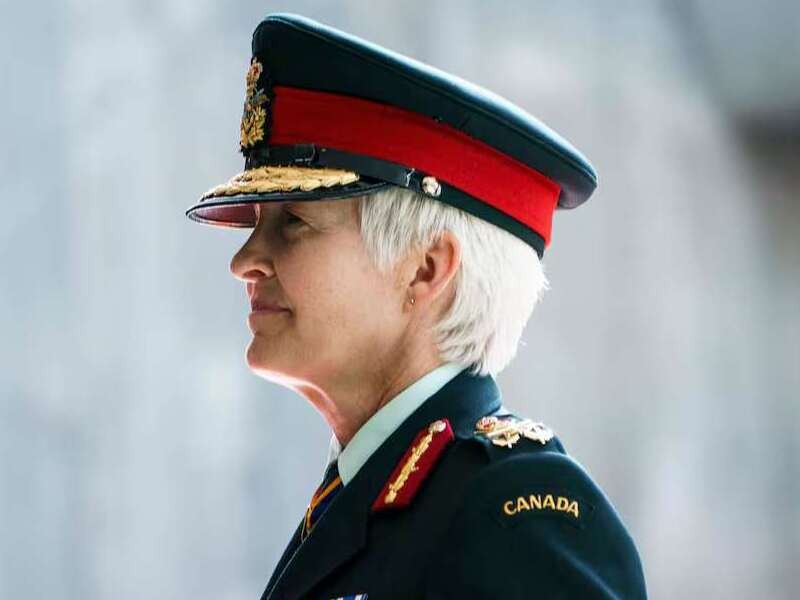
In July 2024, General Jennie Carignan became Canada’s first woman Chief of Defence Staff. This article centers her appointment as both a symbolic and institutional milestone in Canada’s effort to operationalize the Women, Peace, and Security (WPS) agenda. Tracing her leadership of the Canadian Armed Forces, the article demonstrates how offering equal access to opportunity is a prerequisite for military strength. Gen. Carignan’s leadership of the Canadian Armed Forces offers an example for NATO allies, who can similarly dismantle barriers to women’s leadership and embed inclusive military ethos. The article prescribes a series of pathways through which NATO allies can pursue institutional reform, thereby enhancing institutional quality and strengthening collective defence posture across the Alliance.