
Recent News

From Mines to Mandates: Critical Minerals as the Key to Meeting Canada’s NATO Contributions

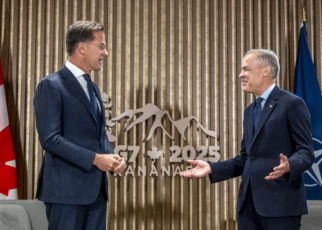
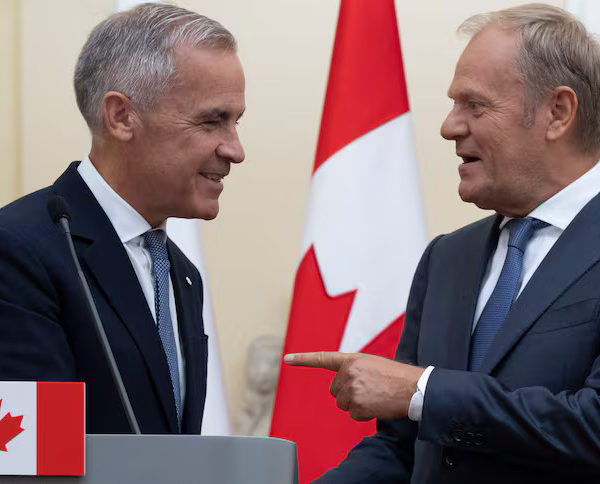
At the 2025 NATO Summit, Prime Minister Mark Carney announced that critical mineral expenditures would contribute to Canada’s 5% NATO defense spending contribution. Key to this new positioning is the building of essential industrial infrastructure necessary for critical mineral development and exportation, of which 1.5% of the new commitment is dedicated to. This new approach Read More…

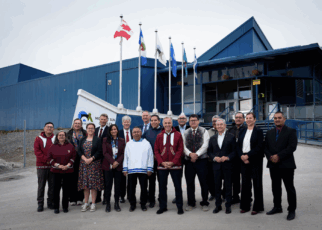
When Allies Become Threats: What U.S. Pressure on Greenland Reveals about NATO’s Fragility and Canada’s Arctic Vulnerability

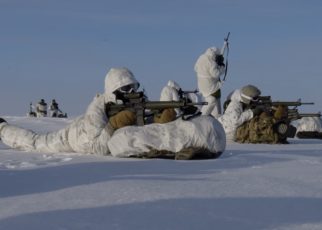
From Caracas to Canada: What U.S. Doctrine Means for the Northwest Passage 

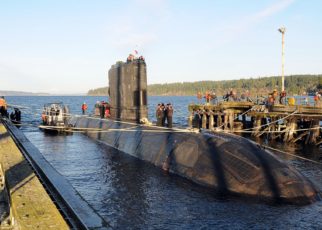
Rearming the Depths: How Canada Is Reclaiming Undersea Sovereignty

A SAFEr Bet for Canada? How the €150-Billion SAFE Program Is Pulling Ottawa Closer to Europe

Xi Jinping 02, credit: Trong Khiem Nguyen

Hedging with the Dragon: Mark Carney’s China Visit and Canada’s Search for Strategic Autonomy 

What does Mark Carney’s decision to re-engage China signal about Canada’s strategic options in a more coercive global economy? Tasneem Gedi argues that Ottawa’s limited recalibration with Beijing reflects an unavoidable strategy of hedging amid U.S. unpredictability. While such engagement may expand Canada’s room for maneuver in an increasingly coercive global economy, it carries risks and thus must be pursued narrowly, conditionally and in close alignment with Canada’s alliance commitments.  

What’s at Stake for Canada in the Indo-Pacific?

Japan’s Military Revival and North Korea’s Escalation: NATO’s New Indo-Pacific Challenge

Rupture and Fury: Can Canada Build a ‘Counter-Power’ Model of Cooperation in a World Reordered? 

For Shame Upon the World: Lessons from the Crushing of Hong Kong

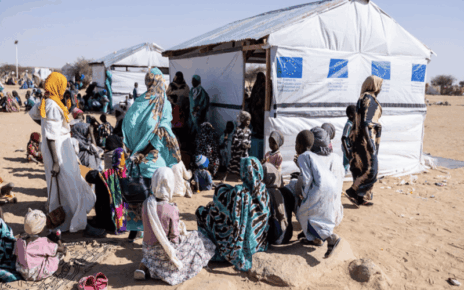
A War on Survival: Famine, Displacement, and Coercion in Sudan

Sudan has descended into one of the world’s most severe humanitarian crises of the moment, with more than 11 million people internally displaced, over 21 million facing acute food insecurity, and several areas assessed at emergency orfamine-level conditions. The war that precipitated this crisis began in April 2023 as a power struggle between the Sudanese Armed Forces (SAF) Read More…

Space Diplomacy and NATO

Built to Watch: The Smart City and the Reinvention of the Surveillance State in Daily Life

Au-delà des armes : la fragilisation des systèmes de santé comme stratégie de guerre et decoercion

Le plan de Donald Trump pour l’Ukraine : percée diplomatique ou fantasme géopolitique ?

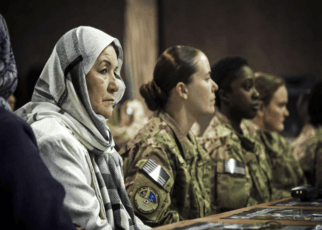
Parité ou Fragilité : Pourquoi l’Exclusion des Femmes Affaiblit la Sécurité Internationale

Au cours de la dernière décennie, il est clair que lorsque les femmes participent aux décisions de sécurité, la paix est plus durable. Une étude portant sur plus de 180 accords montre que ceux impliquant des femmes ont 35 % de chances supplémentaires de durer au-delà de quinze ans. Dans le Sahel, leur participation à Read More…

Shifting Priorities in Ukraine: Is NATO’s WPS Agenda Under Threat?

Divide and Conquer: How Gender-Based Disinformation Weakens Western Militaries

Operation Equal Opportunity: Canada as a Model For Women in Combat Leadership

Women in Hybrid Warfare: NATO’s Next Challenge

Understanding Canada’s Trade Diversification Policy and Lessons for other NATO States

Could Canada’s new trade policy serve as a template for the rest of NATO? This article analyses Canada’s trade diversification strategy as a case study to assess its viability as a model for achieving economic security among NATO member states.

What does the Venezuelan Oil Situation mean for Canadian Energy Security in the NATO Alliance?

Financing Resilience in Critical Minerals: How Allies Are De-Risking with Policy

L’après-Doha et la perspective d’un « OTAN arabe »  

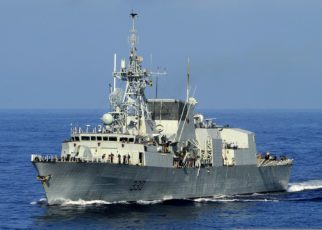
NATO at Sea and Canada’s Trade Lifelines 

Protecting Arctic Cyberinfrastructure: Quantum Sensors for Domain Awareness in the North

This article discusses how the adoption of quantum sensing technologies will likely advance cybersecurity by enabling greater protection of infrastructure, detection of attacks, and attribution to attackers, particularly in the Arctic.

The Missing Shield: Why NATO’s Innovation Strategy Needs Modern Intellectual Property Protection

Canada’s Arctic Surveillance at Risk, Are Space Capabilities Enough to Defend Sovereignty?

Canada Already Entered the Quantum Era: Is it Exposed or Ready for What Comes Next?

Europe’s Land-Based Intermediate-Range Strike Capability Gap

Disinformation and the Collapse of Shared Reality: Lessons from the Venezuela–Maduro Crisis

On January 3, 2026, the United States announced that its forces had captured Venezuelan President Nicolás Maduro and flown him to New York to face charges. Within minutes of President Donald Trump’s message breaking across social media platforms, an array of AI-generated images, recycled footage, and outright false claims began circulating widely. Some purported to Read More…

Defending Solidarity After Warsaw’s Flag Incident

Spamouflage in Canada: How Targeted Disinformation Undermines Democracy

What Canada Has Yet To Learn from Ukraine About Countering Disinformation

The Role of Government in Combating Gender-Based Disinformation 

How the Canadian Army is Uniquely Positioned for the Intensification of Climate Change 

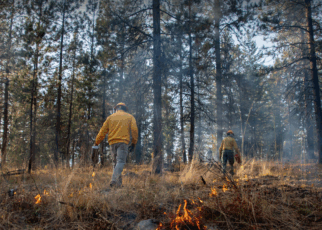
The world at present is situated before an interchange between growing geopolitical tensions and surging national defence budgets. Albeit, the cycle is complicated by the current Climate Crisis. It is no longer weapons or foes in which the battlefield is defined, but the environment itself. Modern armed forces, including Canada’s, must therefore confront threats emerging Read More…

How does community-level climate resilience in Canadian coastal communities contribute to NATO’s transatlantic security? 

Power Play in the Arctic: Part 6 – Cold Fronts, Hot Choices: Dr. George Soroka Looks Ahead

When Climate Risk Becomes a Security Issue: NATO’s Response to a Changing Threat Environment

The Great Power Rivalry in the Arctic: USA, Greenland, and Canada

In this series, the NATO Association of Canada in partnership with the NATO Research Group out of the University of Toronto, explore issues related to security, prosperity, and the international rules-based order.

Subscribe to Our Newsletter

* indicates required
/ ( mm / dd )

Corporate Members

Special Publication

Special Publication

The NATO Association of Canada in partnership with the Canadian Army Journal (CAJ) announces the release of Cutting through the Haze: Grey Zone Operations and Contemporary Threats, eds. Christopher Maternowski and Aditi Malhotra (Summer 2023).

An inaugural collaboration between the NATO Association of Canada and the CAJ, this volume provides perspectives on issues relevant to grey zone operations and other topics from experts within the North American defence and security community. The volume emphasizes the growing importance of the grey zone and the role of defence innovation in grey zone and conventional operations.

Special Publication

Special Publication

The NATO Association of Canada has released its Winter 2023 special publication.
In Navigating a Global Crisis: Climate Change and NATO, ed. Christopher Maternowski, leading authorities offer insights on what rising temperatures mean for international security and NATO. The volume explores the many ways in which climate change constitutes an urgent concern for the international community and a threat on which NATO and other intergovernmental organizations must increasingly collaborate and act.
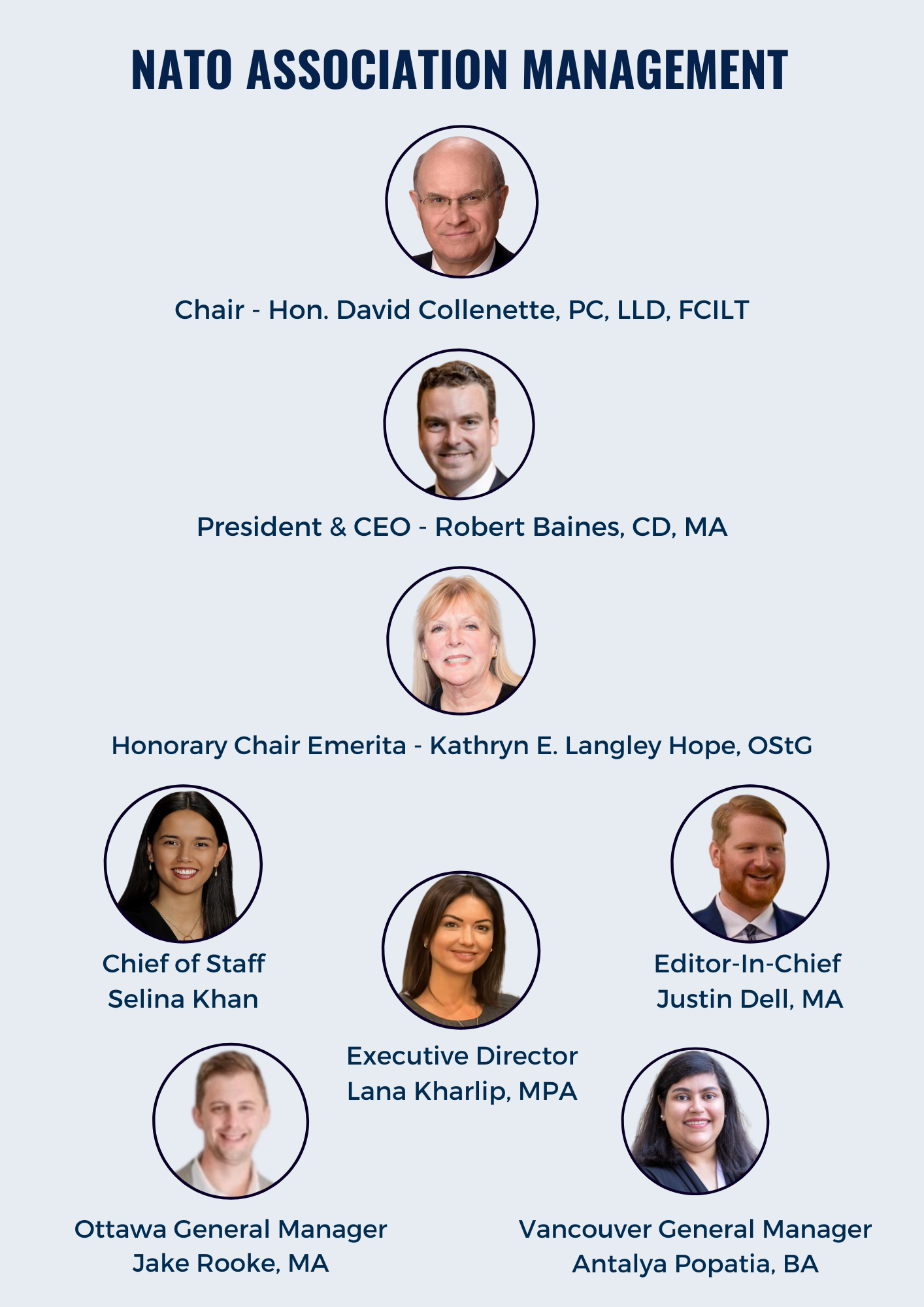
Meet the Team

Meet the Team