Since its inception in 1949, Canada has played an integral role in the North Atlantic Treaty Organization (NATO) and its numerous military and non-military engagements. As a founding member, Canada’s involvement over the past 70 years has varied from troop deployment and training in Europe during much of the Cold War, to activity abroad in places like Afghanistan and Libya. The articles in the NATO and Canada program examine NATO’s operational history and Canada’s role from a multitude of perspectives. The NATO Association of Canada aims to supply Canadians with a greater insight into the inner workings of this long-standing alliance and its Canadian contributions.
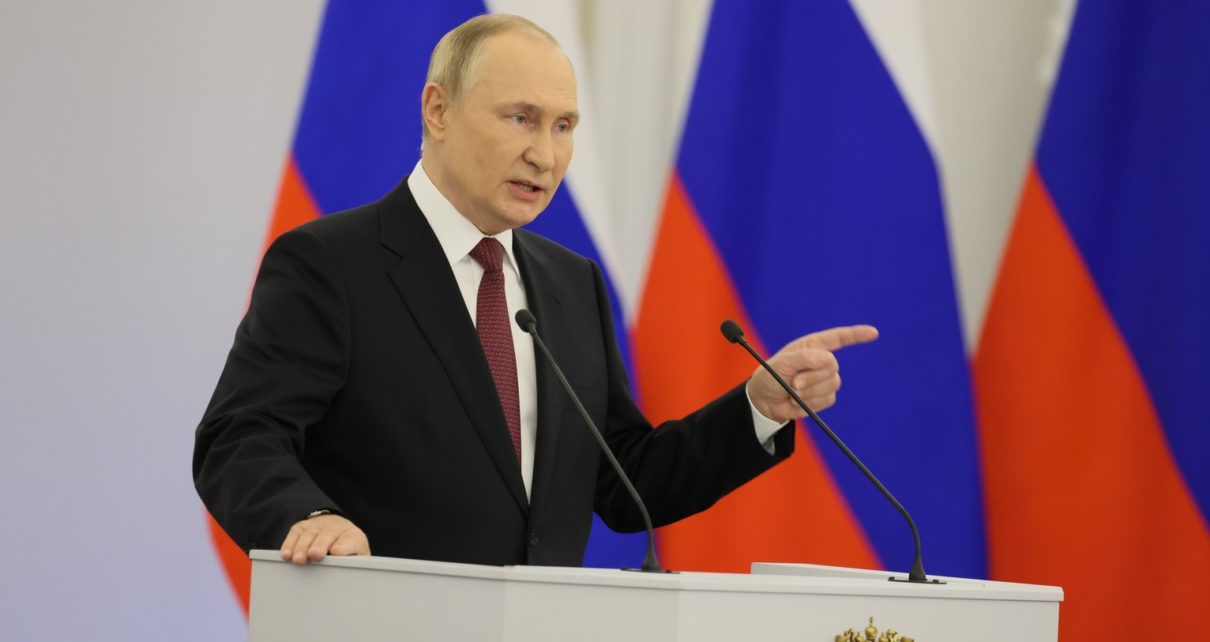
With rumblings that Russia might provoke neighbouring NATO member states, Zev Wood seeks to unravel Putin’s rationale and strategy. He argues that to counter potential military encroachments by Russia, Canada and NATO should remain steadfast in increasing deterrence posture, while simultaneously remaining aware of the potential blowback effects that accompany such a path. Using deterrence theory, Zev concludes that Canada should advocate for a strategy that combines credible deterrence and diplomatic off-ramps to reduce the potential for further escalation.
Is Canada an alliance liability? Zev Wood examines the arrest of an alleged Canadian spy at NATO, arguing that NATO’s decentralized vetting structure places greater importance on domestic security screenings, which increases the risk of Canada being perceived as a liability because of its structural vulnerabilities. Amid Canada’s renewed efforts to reaffirm its centrality within the alliance, Zev argues that the espionage case risks undoing meaningful strides made by the current government. To address this and protect NATO’s operational cohesion, Zev proposes institutional reforms to close gaps in Canada’s vetting architecture that allowed this case to occur.
Terrorism is no longer at the top of NATO’s agenda. After decades of war supporting the United States in its fight against terror, the pendulum has swung back to Europe. The war in Ukraine carries very clear security implications for NATO’s European members, who are rightly concerned that the emboldenment of a victorious Russia will lead to expanded aggression. At the same time, China has become a strategic competitor with military capacities that cannot be overlooked. As the alliance seeks to defend Europe, navigate the shifting priorities of the United States, and position itself to the threat of China, terrorism has become a secondary concern.
Russia’s Shadow Fleet is more than a sanctions-enforcement issue. Despite the economic utility these intentionally ambiguous vessels present to Moscow, Jonah Moffatt argues its activities demonstrate how Russia has fused its economic, intelligence, and security interests into one overarching hybrid strategy. The increased prevalence of the shadow fleet in the Arctic requires Canada to not only recognize the security implications of this threat, but work towards a coordinated response strategy with its regional NATO allies.
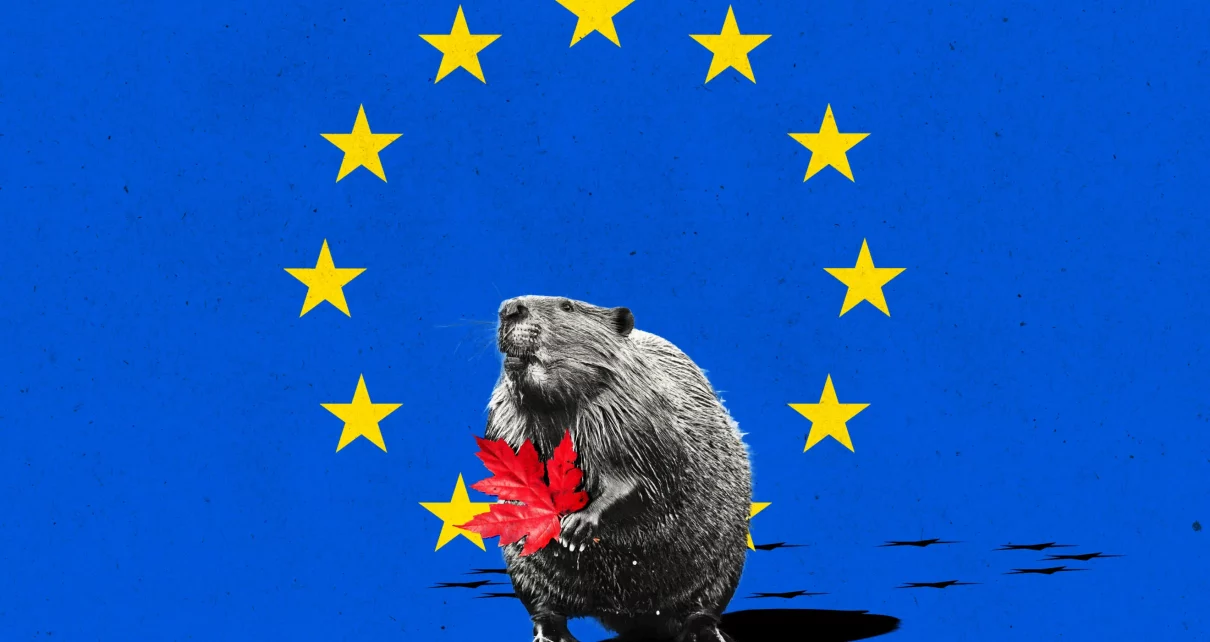
Rachel Potter examines Canada’s accelerating defence integration with the European Union, arguing that the durability of instruments like SAFE and Canada’s bilateral agreements with countries like Poland and Sweden reveal a structural recalibration rather than opportunistic hedging, one that positions Europe as a genuine alternative to Canada’s reliance on Washington and raises deeper questions about whether NATO’s traditional U.S.-anchored architecture can remain.
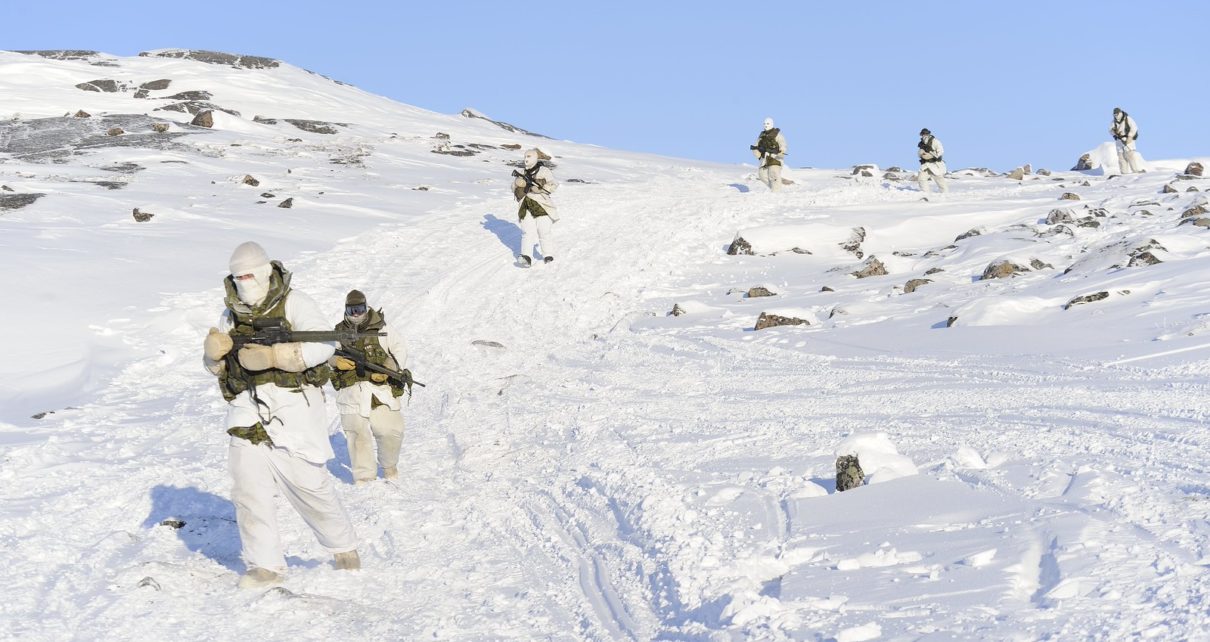
The Arctic has become a key fixture of transatlantic security and Canada has taken significant steps to expand the securitization of the region. In his latest piece, Jonah Moffatt argues that security extends beyond deterrence in already vulnerable Northern communities, underscoring the necessity of investment with dual military and civilian outcomes. In doing so, Canada can lead NATO’s polar pivot by ensuring the homeland behind the flank benefits from the region’s growing strategic importance.
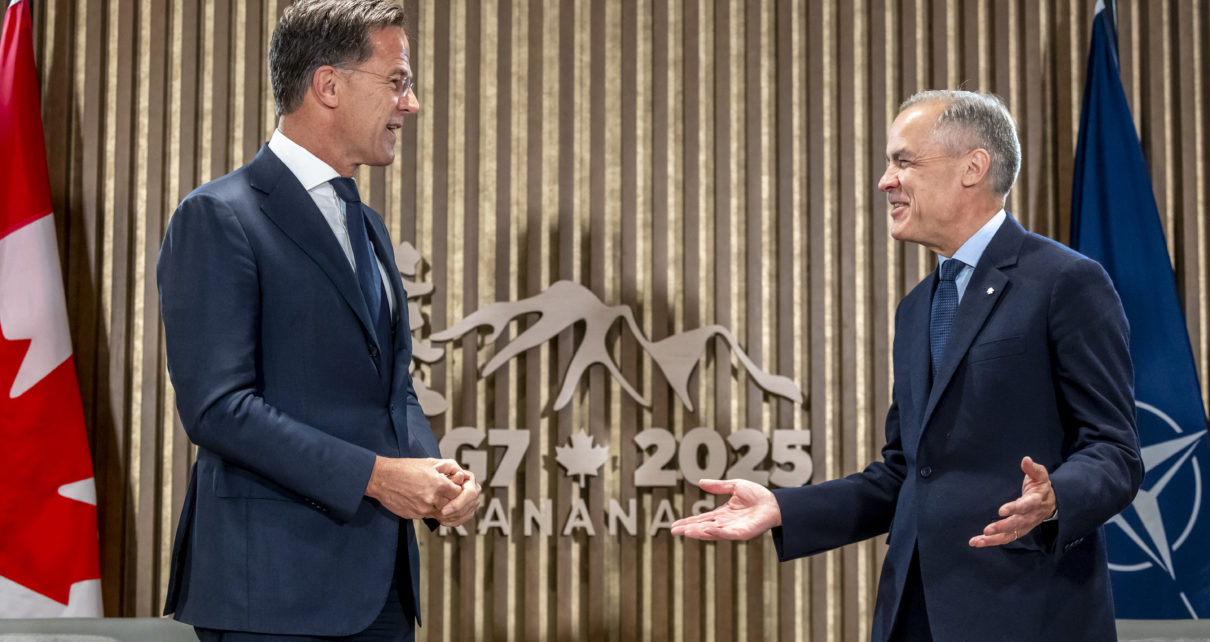
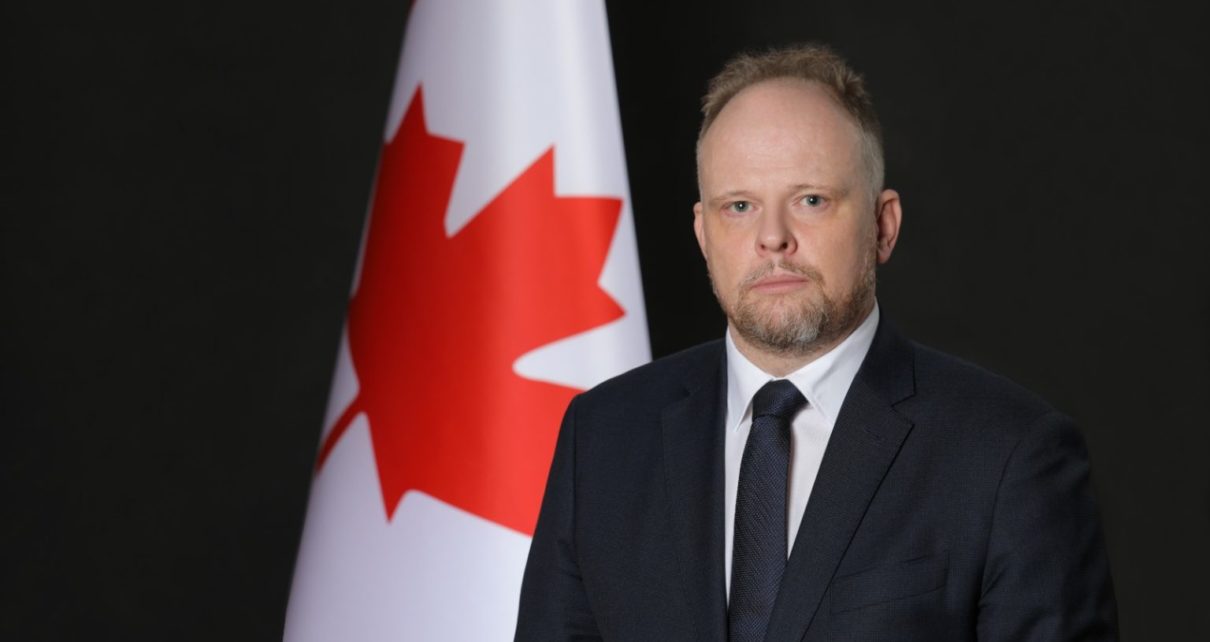
Rachel Potter analyzes Kevin Hamilton’s appointment to NATO, arguing that it reflects Canada’s expanding institutional influence within the alliance while highlighting the growing strategic importance of the Caucasus and Central Asia as NATO deepens its engagement amid rising geopolitical instability.
What’s in it for Russia? As Russian involvement in the promotion of Alberta separatism comes into sharper focus, Zev Wood argues that it reflects a long-standing strategy employed by Russia aimed at covertly weakening its adversaries. He examines the ensuing implications for Canada’s sovereignty and economy as well as the knock-on effects on NATO.
When warfare is designed to distance the soldier emotionally and physically from the battlefield, international humanitarian law pays the price. Giselle D’Anna examines how remote warfare and AI-enabled targeting are eroding civilian protection obligations, and what Canada owes to the future of war.
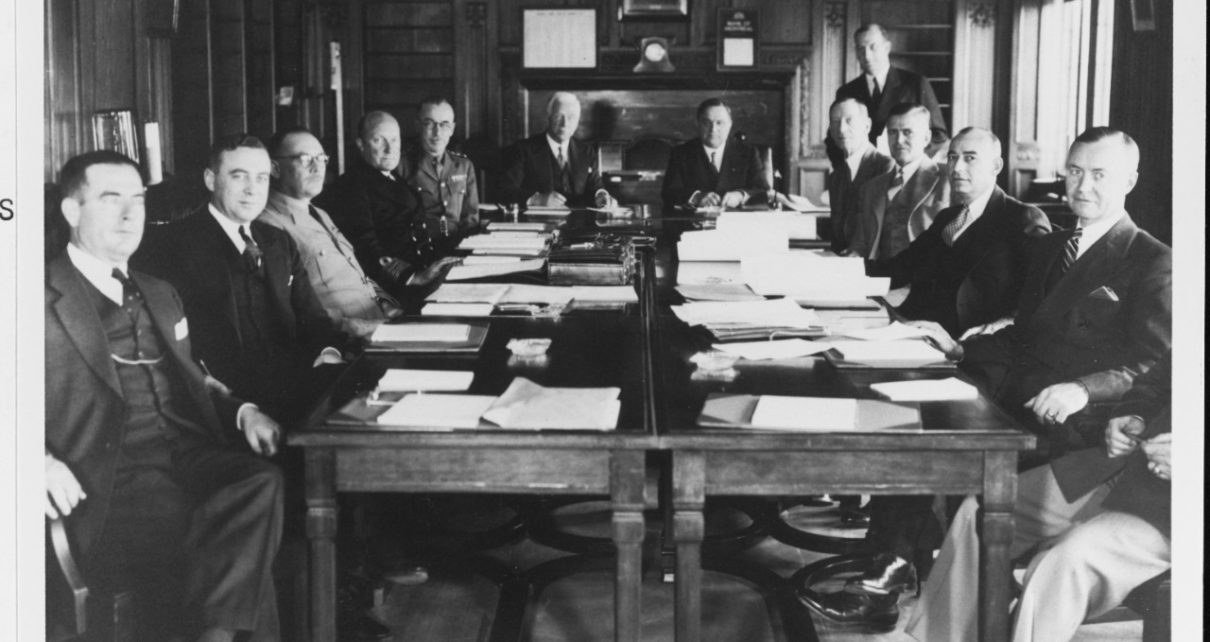
Rachel Potter analyzes the Trump administration’s suspension of the Permanent Joint Board on Defence, arguing that it marks a qualitative shift in U.S. alliance behaviour in which shared defence institutions are weaponized as instruments of coercion, revealing a strategic logic that goes beyond burden sharing disputes and instead reflects an effort to reshape the institutional architecture of continental defence on American terms.