This article will examine how Canada’s telecommunications regulator, the CRTC, is responding to the surge in spoofed and scam phone calls that disproportionately target older Canadians, eroding trust in basic communications systems.

The NAOC’s Cyber Security and Emerging Threats Program features an in-depth analysis of latest trends, developments, and threats in international security. New security concerns are always on the horizon and our program seeks to examine these domains including global warming, natural resources, drones, urban conflicts, and cyberspace.
The program’s mandate is to keep Canadians informed on these rapidly developing and increasingly pivotal realms that are integral to all aspects of security.
This article will examine how Canada’s telecommunications regulator, the CRTC, is responding to the surge in spoofed and scam phone calls that disproportionately target older Canadians, eroding trust in basic communications systems.

As geopolitical competition intensifies across the Arctic, Canada and NATO’s Arctic security strategy must extend beyond defence capabilities. This article explores how meaningful partnerships with Inuit and Indigenous communities strengthen Arctic sovereignty through Indigenous leadership, environmental stewardship, and generations of lived experience and permanent presence.

Neural interfaces are entering NATO’s own defence health systems, and existing cybersecurity frameworks weren’t built for them. This article lays out what NATO should do before the gap is exploited.

This article will look at the baggage‑tag switching scandal at Toronto Pearson Airport—where insiders allegedly moved passengers’ tags onto drug‑filled suitcases—and use it to show how modern airports have become vulnerable to cyber‑physical systems, not just places with broken conveyor belts.
Through the manipulation of human mobility, states are transforming human desperation into a weapon. As migrants and refugees are increasingly being employed as weapons of war, NATO must be prepared to respond to this hybrid challenge, which carries significant security and humanitarian implications.
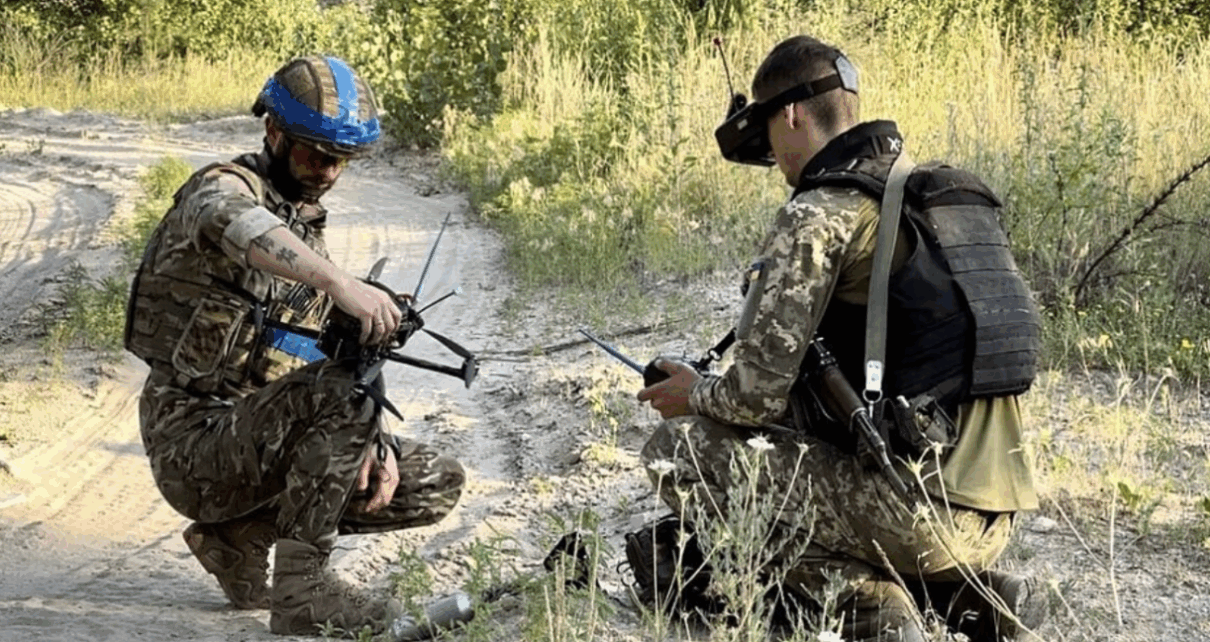
The declining cost of war, driven by cheap first-person-view (FPV) drones, commercially available components, and rapidly diffusing battlefield innovation, is lowering the financial barriers to enter conflicts, both for state and non-state actors. This risks increasing the frequency and territory impacted by armed conflict and, by extension, expands the risk of entrapment to NATO countries.

As some of history’s greatest military strategists have contended, human will is central to conflict. Yet, as emerging technologies capable of altering emotions, reasoning, and ultimately, human will, are progressively used to cause divide and modify conduct, NATO must place increasing importance on the cognitive domain of conflict.
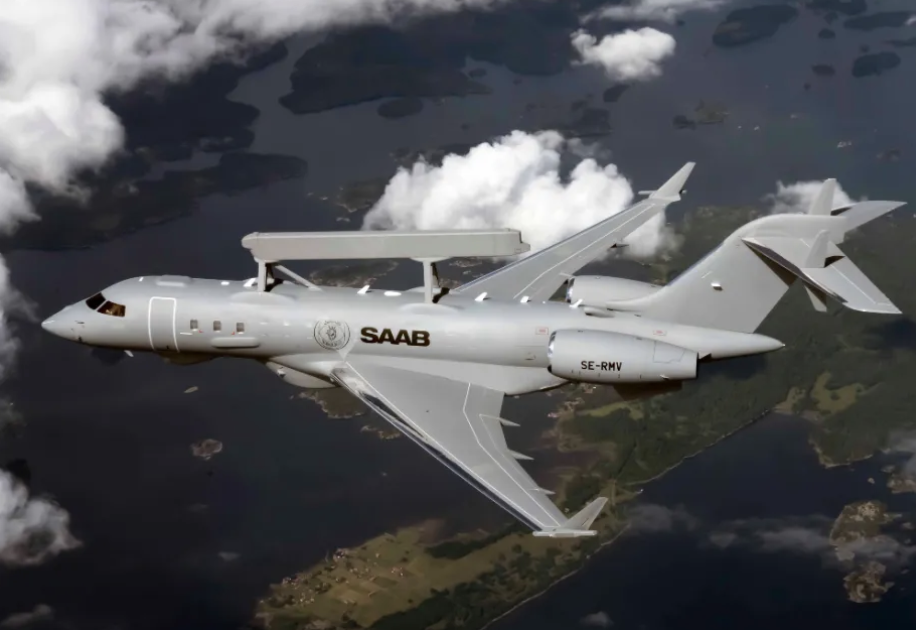
Geopolitical competition in the Arctic is intensifying due to increased access to the region driven by climate change and interest in precious oil and other resources. In response to the growing need for security and surveillance on our nation’s Northern front, Canada’s ongoing discussions with Sweden to acquire the GlobalEye platform and produce Saab aircraft will significantly enhance Canada and NATO’s ability to monitor and respond to emerging threats across the North.
NATO’s 2025 Science and Technology Organization Highlights report offers a snapshot of an Alliance pushing technological boundaries while struggling to align the systems behind them. Across data fusion, autonomy, and multidomain operations, innovation is accelerating faster than integration. These seams now shape the contours of NATO’s modernization challenge.

As confidence in American commitments declines, new extended nuclear deterrence arrangements are emerging in the EU. Canada, geographically distinct from this emerging network, thus ought to reassess its nuclear- latent stance. The article concludes continued nuclear latency is the most strategic positioning for Canada.