For most of its history, NATO’s credibility rested on assets it could command: troops, bases, weapons systems, and integrated military planning. Deterrence depended on capabilities that were clearly owned, coordinated, and deployable under alliance authority. Today, however, the foundations of collective defence increasingly lie outside NATO’s direct control. Undersea data cables, satellite networks, commercial cloud Read More…
Environment, Climate Change, and Security
Canada’s Energy Strategy & Environmental Security
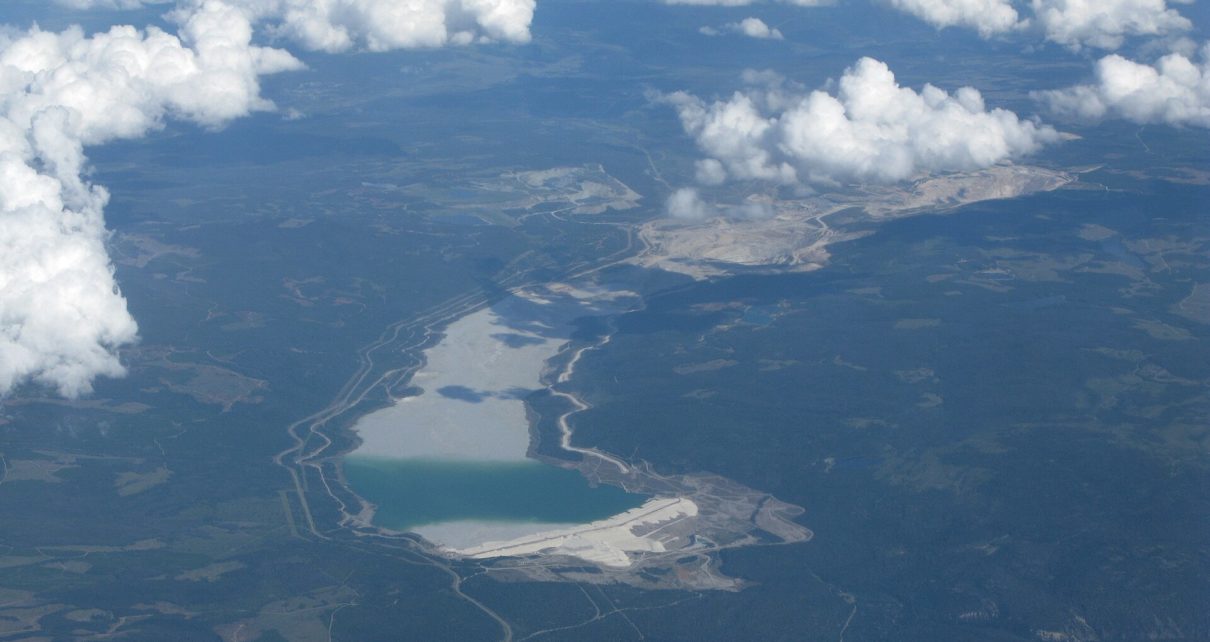
The global transition to clean energy is accelerating demand for critical minerals, placing Canada at the center of opportunity and environmental risk. Partnerships centered on critical minerals for the green energy transition require expanded mining and resource extraction, which can lead to land degradation, water contamination, and biodiversity loss. Canada has increasingly prioritized the development Read More…
La souveraineté canadienne à l’épreuve du Passage du Nord-Ouest
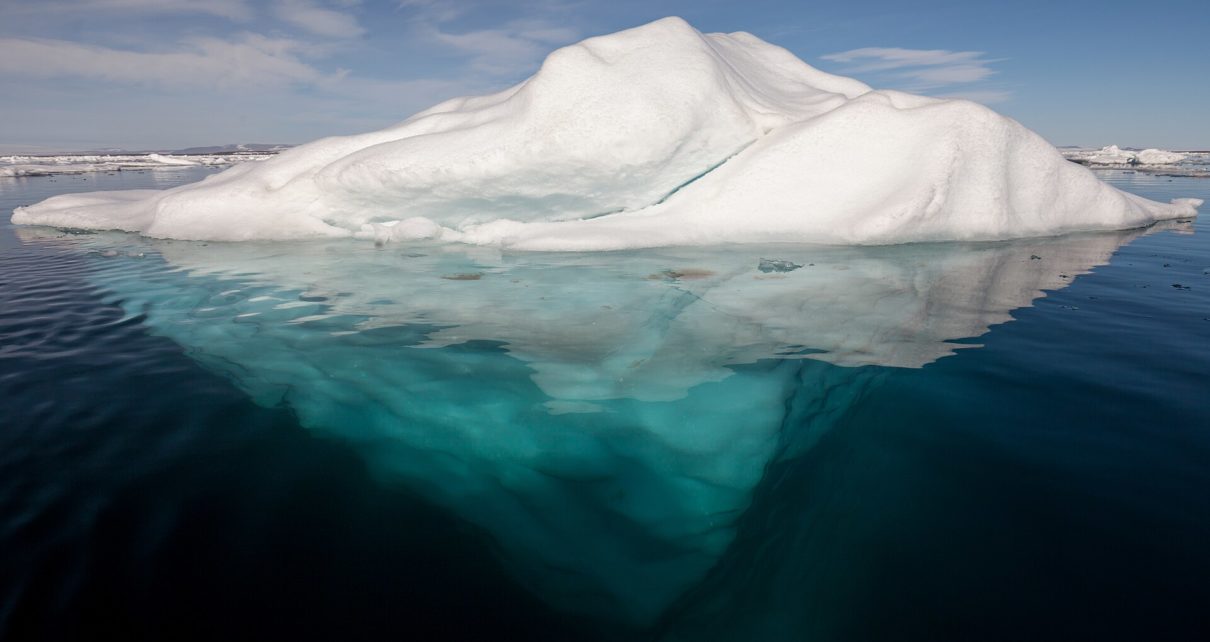
Avec la fonte accélérée des glaces, le Passage du Nord-Ouest devient progressivement navigable, transformant une route longtemps marginale en un enjeu central du commerce et de la sécurité internationale. Cette évolution remet directement en cause le statut juridique de cette voie maritime et, par conséquent, la capacité du Canada à en contrôler l’accès. L’importance croissante Read More…
How the Canadian Army is Uniquely Positioned for the Intensification of Climate Change
The world at present is situated before an interchange between growing geopolitical tensions and surging national defence budgets. Albeit, the cycle is complicated by the current Climate Crisis. It is no longer weapons or foes in which the battlefield is defined, but the environment itself. Modern armed forces, including Canada’s, must therefore confront threats emerging Read More…
How does community-level climate resilience in Canadian coastal communities contribute to NATO’s transatlantic security?
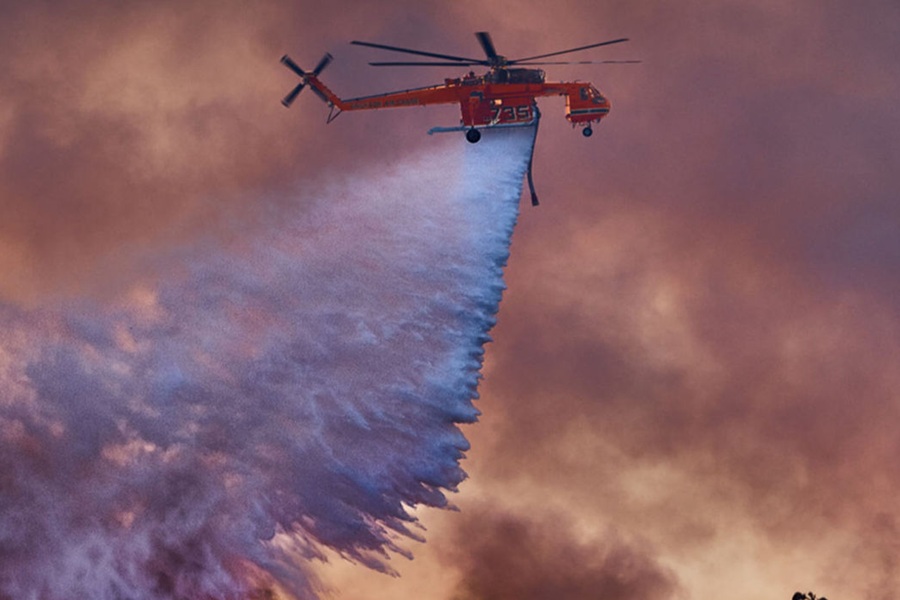
Climate change is increasingly shaping the security environment across the North Atlantic. Extreme weather events, including flooding, wildfires, heatwaves, and coastal storms, are placing growing pressure on infrastructure, emergency response systems, and economic activity. Recognising these dynamics, NATO’s 2022 Strategic Concept acknowledges that climate impacts affect military operations, degrade critical infrastructure and shape geopolitical competition. Read More…
Power Play in the Arctic: Part 6 – Cold Fronts, Hot Choices: Dr. George Soroka Looks Ahead
*This is the final instalment of a six-part series. For the final instalment of the “Power Play in the Arctic” series, Marcus Wong (MW) sat down with Dr. George Soroka (GS) of Harvard University’s Department of Government, who also serves as Executive Officer of The Harvard Academy for International and Area Studies at the Weatherhead Read More…
When Climate Risk Becomes a Security Issue: NATO’s Response to a Changing Threat Environment
Extreme weather is no longer a distant concern for defence planners. Across the Euro-Atlantic region, flooding has damaged military infrastructure, rising temperatures have affected personnel and equipment, and the accelerating loss of Arctic ice has begun to reshape strategic geography. As climate impacts intensify, they increasingly intersect with NATO’s core security priorities. Rather than constituting Read More…
The Great Power Rivalry in the Arctic: USA, Greenland, and Canada
In an era of intensifying great-power competition and accelerating climate change, the Arctic has emerged as a central arena where environmental transformation and geopolitical rivalry increasingly intersect. Washington’s threats to seize Greenland have undermined NATO unity. Potential threats have generated geopolitical instability that poses security and environmental risk to Canada’s Arctic sovereignty. This article aims Read More…
Human Welfare over Emissions: Bill Gates and a New Climate Discourse
In October 2025, Bill Gates released a memo titled, “Three Tough Truths About Climate” with a sharply different tone. Gates, long a champion of climate action, now argued that climate change, while serious, “will not lead to humanity’s demise”. He urged world leaders to focus on human welfare, resilience and development instead of rigid temperature Read More…
The Economicization of Climate Change: Federal Budget 2025
On November 4, 2025, Canadians witnessed a redirection in federal policy efforts with the release of Budget 2025: Canada Strong, signaling a shift toward economic growth, national resilience, and long-term global stability. While the budget aims to strengthen economic sovereignty, the subject of climate change and the health of the environment must be considered, since Read More…