The Centre for Disinformation Studies (CDS) is a nonpartisan research and public outreach wing of the NATO Association of Canada, created in April 2019. The goal of the CDS is to facilitate engagement between academics, government, and the public on the topic of disinformation or ‘fake news’. Although disinformation has long been an aspect of human communication, new technologies and a changing international landscape have pushed the idea of disinformation into public awareness in unprecedented ways. The spread of disinformation in recent years has been facilitated by the proliferation of online social networks and digital information-sharing platforms. These new technologies have eroded public trust in conventional sources of information and have helped spread skepticism towards science, academia, and democratic institutions.
The Centre for Disinformation Studies has two main objectives. The first is to provide an interdisciplinary platform for scholars from across the country and beyond to share and discuss research relating to the study of disinformation. The second objective of the CDS is to help disseminate academic research on disinformation to the public in an accessible and engaging manner. By directly engaging the public and helping to bridge the gap between academic research and societal perceptions, the CDS aims to improve the public’s ability to engage critically with information spread through new digital technologies. The CDS also works to strengthen Canadians’ cultural resiliency towards misleading information or conspiracy theories by providing resources to help the public navigate an increasingly confusing information landscape.
Canada’s housing crisis has made the public more susceptible to scapegoating and disinformation. Ji Young Kim examines how Russia’s Tenet Media operation exploited domestic culture wars, weakening societal resilience and undermining Canada’s reliability within NATO.
While climate change is undoubtedly an urgent security challenge for NATO, its risks extend beyond physical and environmental consequences. This article examines climate disinformation as a hybrid threat that exploits uncertainty to delay climate action, divide allies, and undermine trust. Rather than attempting to convince populations to reject climate change entirely, climate disinformation can create enough doubt and disagreement to weaken collective action.
In this special report, Dorigen Gray examines how online incel communities function as self-reinforcing disinformation ecosystems that cultivate radicalization and legitimize violence. Drawing on an interview with extremism researcher Dr. Amarnath Amarasingam and an analysis of three Canadian cases of incel-motivated violence, she argues that the incel movement should be understood not simply as an online subculture, but as an evolving extremist ecosystem with implications for democratic resilience and national security. The report highlights the importance of addressing both the individual vulnerabilities that contribute to radicalization and the broader online environments that sustain it.
What happens when fake news looks almost identical to the real thing? This article highlights how Russia’s Doppelganger disinformation campaigns use cloned news websites to make disinformation appear credible and familiar. Focusing on the 2024 European Parliament elections as a case study, it shows how these campaigns exploit existing concerns such as immigration, economic insecurity, and support for Ukraine to amplify divisions within Europe. More broadly, it considers how these tactics could shape future elections, influence public debate, and make collective action across the European Union and NATO more difficult.
Transnational repression on Canadian campuses is an emerging threat distorting information environments and exposing NATO vulnerabilities. Using a two‑tier framework, Ji Young Kim shows how foreign coercion silences dissent and can lead institutions to reinforce false consensus.
Canada has the institutions, the reports, and the warnings about disinformation. What it lacks is a population that feels the threat. In this article, Dominique Arseneau-Bruneau looks at how Canada’s lack of urgency affects its response to disinformation through the lens of legality, legitimacy, and speed, and what the cost of that comfort may ultimately be.
As social media becomes the primary source of political information for younger generations, Russian disinformation campaigns increasingly exploit digital platforms to undermine trust, fuel polarization, and discourage democratic participation. By examining today’s younger generation as a strategic target of information warfare, this article explores how disinformation has evolved into a growing challenge for democratic resilience and NATO’s collective security.
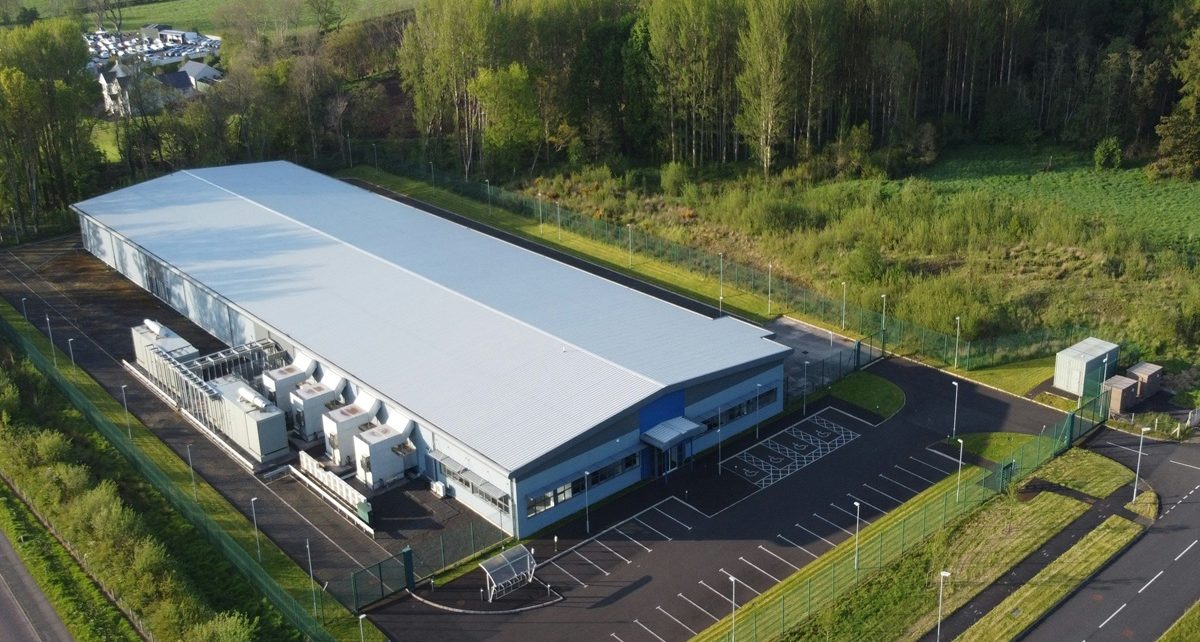
As Canada accelerates its AI capabilities, data centres are emerging as important strategic assets, underpinning everything from cloud computing and public services to economic competitiveness and national security. In this article, Dorigen Gray explores how Canada’s continued reliance on foreign cloud providers creates challenges for technological sovereignty and shapes debates surrounding domestic data centre expansion. By examining how foreign actors can exploit these debates through influence operations, the article highlights why building resilient digital infrastructure will require balancing sovereignty, transparency, and public trust.
The European Union has come to treat disinformation not as a problem of false information, but as a threat to democracy itself. In this article, Dominique Arseneau-Bruneau examines how legality, legitimacy, and speed shape the EU’s response to information confrontation and what its experience reveals about the limits of democratic defence.
How does a pathogen with little pandemic potential threaten international security and defence? What happens when adversaries create and reuse conspiracies against a traumatized public? Ji Young Kim explores the current hantavirus outbreak, illustrating how hostile actors weaponize institutional betrayal and post-COVID trauma to disrupt NATO logistics and outline the urgent next steps required.