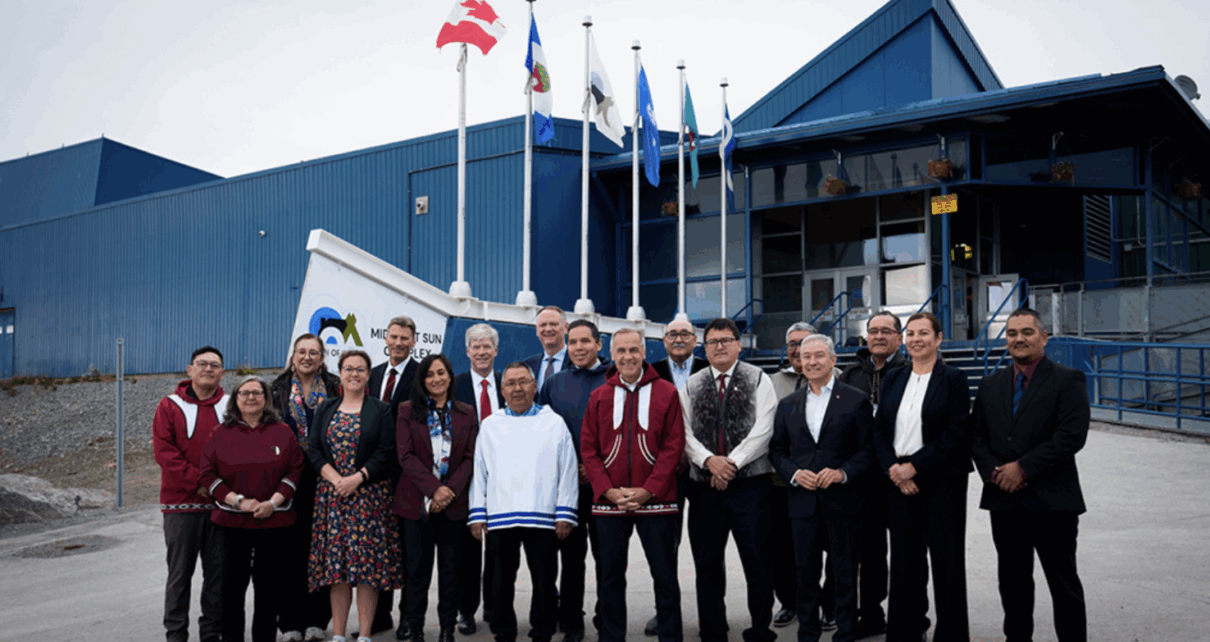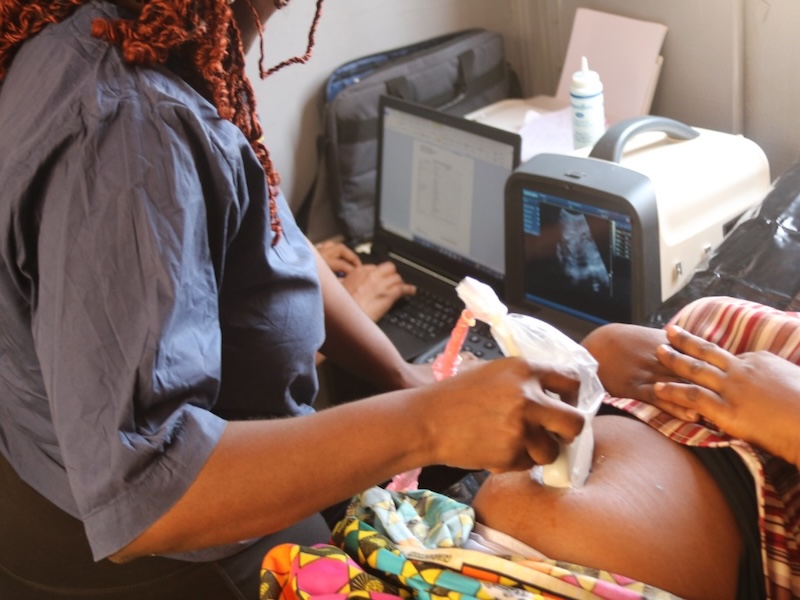
As Arctic security becomes increasingly central to Canada’s defence strategy and the broader priorities of NATO, women and notably Indigenous women, retain imperative roles in deploying Canada’s northern security strategy. Integrating women’s leadership into Arctic defence planning is critical to ensuring that Canada’s northern security strategy is both operationally effective and socially sound. This article aims to highlight key women currently contributing to Canada’s Arctic strategy, as well as illuminate the broader gendered implications of resilience in the North.
4. Programs
placeholder for programs
NATO’s Defence Capabilities: Quality, Quantity, and Self-Sufficiency
With rapid technological innovation, it can be tempting to make technology the central focus of the defence industry by assuming that superior advancements alone could secure victory on a potential battlefield. A dangerous assumption in this current political climate is to assume that war is unlikely and that defence funds would be better allocated elsewhere. Read More…
If You’re Not at the Table, You’re on the Grid: Middle Powers, Energy Systems, and Alliance Risk Tolerance
For much of the post-Cold War period, the relationship between economic policy and security policy within the transatlantic alliance was treated as complementary but distinct. Markets were expected to allocate resources, organize production, and deliver efficiency. Security institutions, by contrast, were expected to deter adversaries, manage military risk, and respond to external threats. That division Read More…
Strategic Capital or Strategic Risk? Chinese Investment and the Future of Canada’s Energy Security
The Canada-China Economic and Trade Cooperation Roadmap agreed between Ottawa and Beijing in January 2026 marks a thaw in the relationship that had largely frozen over the past decade. Accompanying that roadmap was a memorandum of understanding on strengthening energy cooperation that could help to facilitate renewed Chinese investment in Canada’s energy sector. Between 2018 Read More…
La souveraineté canadienne à l’épreuve du Passage du Nord-Ouest
Avec la fonte accélérée des glaces, le Passage du Nord-Ouest devient progressivement navigable, transformant une route longtemps marginale en un enjeu central du commerce et de la sécurité internationale. Cette évolution remet directement en cause le statut juridique de cette voie maritime et, par conséquent, la capacité du Canada à en contrôler l’accès. L’importance croissante Read More…
Les algorithmes au pouvoir : comment l’IA redéfinit la guerre de l’information?
Dans l’espace numérique, l’information circule à une vitesse inédite. Les réseaux sociaux permettent à chacun de diffuser des contenus en quelques secondes auprès d’un public mondial, favorisant les échanges d’idées à grande échelle. Pourtant, ils facilitent aussi la propagation de contenus trompeurs. Avec l’essor de l’intelligence artificielle (IA), cette réalité a franchi un nouveau cap Read More…
Breaking Barriers from the Battlefield: Women Journalists Reporting From the Front Lines
Female journalists experience harmful stereotypes, increased susceptibility to violence, and additional barriers, especially when reporting in conflict zones. Journalism is a crucial mechanism that contributes to peace and security, and it is essential to support women in this space as they add differing perspectives in this traditionally male-dominated space.
The Value of our Strength: How Carney’s Davos Speech Exposes NATO’s Economic Security Gap
As NATO faces an era of unprecedented economic coercion between allies, can a military alliance built for tanks and treaties truly protect its members from tariffs and trade wars? In this article, Kaya Dupuis examines Canadian Prime Minister Mark Carney’s landmark speech at the World Economic Forum, arguing that Canada’s pivot toward “strategic autonomy”, leveraging energy, critical minerals and bilateral trade deals as defensive tools, exposes a fundamental gap in NATO’s mandate, one that leaves middle powers increasingly vulnerable to economic threats that Article 5 was never designed to address.
Avoiding Escalation Pitfalls: Australia and NATO
What does the Australia-NATO partnership mean in the current moment of geopolitical flux? In this piece, junior research fellow Joel Sawyer examines the strategic histories driving Australia-NATO alignment, the potential hazards of deepening military cooperation, and how to move the relationship forward.
Not Just a Submarine: South Korea’s Bid and Canada’s Indo-Pacific Strategy
As Ottawa weighs its next submarine fleet, the stakes extend far beyond procurement. Tasneem Gedi argues that South Korea’s KSS-III could help Canada restore its undersea capabilities, strengthen its Indo-Pacific posture, and lay the foundation for a deeper defence relationship with Seoul. In a more demanding world, that makes this a strategic decision with consequences well beyond the navy itself.