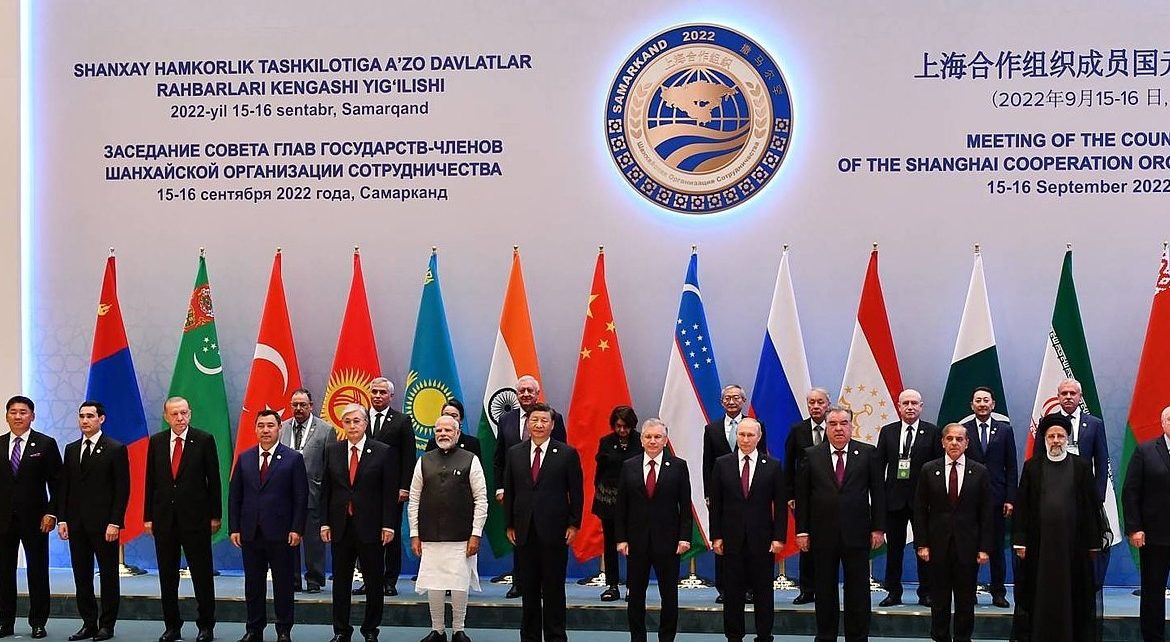
Has Indian diplomacy become more independent? Scott Burns argues that India’s rebuff of Russia and hard line with Canada, the United Kingdom and China point to a more independent pursuit of strategic autonomy.
placeholder for programs
Has Indian diplomacy become more independent? Scott Burns argues that India’s rebuff of Russia and hard line with Canada, the United Kingdom and China point to a more independent pursuit of strategic autonomy.
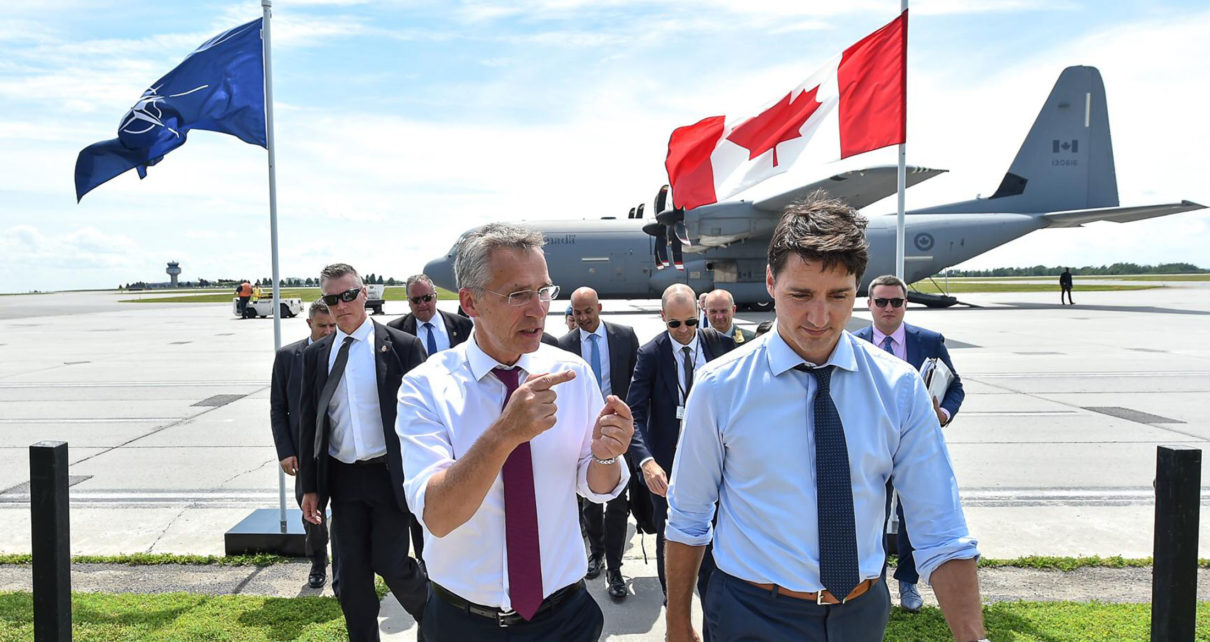
I had the privilege to interview Professor Aaron Ettinger of Carleton University about Canada’s role in NATO and how Canadian foreign policy shapes the nation’s commitment with the organization. Overall, I asked, is Canada really making a difference? Professor Ettinger specializes in International Relations and US foreign policy. His research focuses on continuity and change Read More…

How do stories shape domestic articulations of foreign policy? In this special report, Jack Burnham discusses how the narratives surrounding the rise of China and Japan shaped American foreign policy debates.
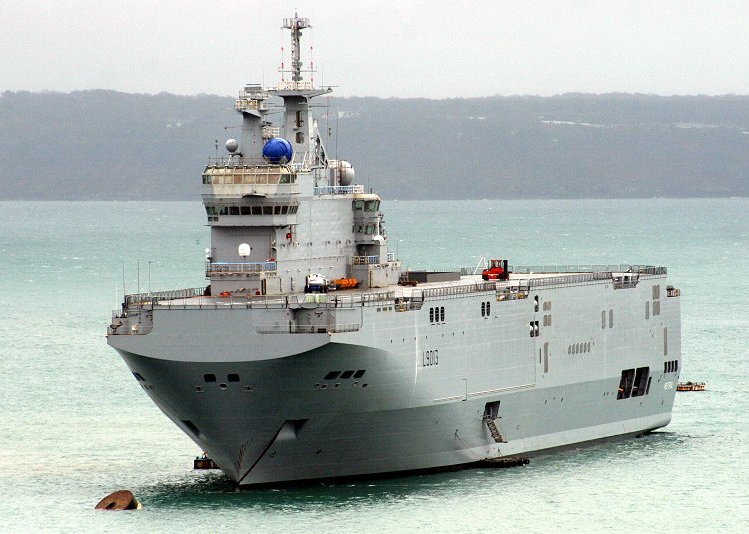
In 2019, the federal government selected the replacement for the Royal Canadian Navy’s (RCN) aging Halifax-class frigates and Iroquois-class destroyers: the fifteen new Canadian Surface Combatants (CSC) will be a modified British frigate designed to operate as an anti-air or anti-submarine platform in coastal waters and the open ocean. In concert with the four Victoria-class Read More…
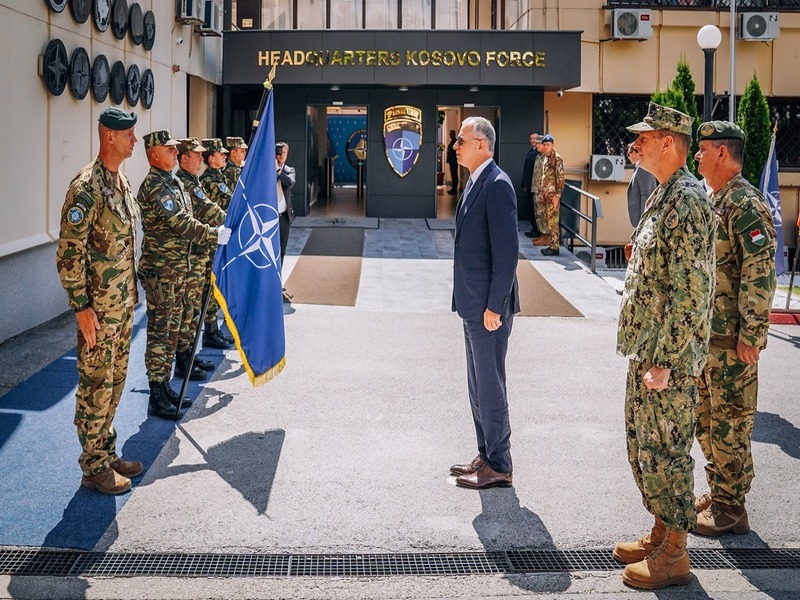
Should Kosovo risk political and economic instability for NATO membership? Barış Atakan Kafadar examines the militarization of the Kosovo Security Forces and how they strengthen Kosovo’s NATO desire.
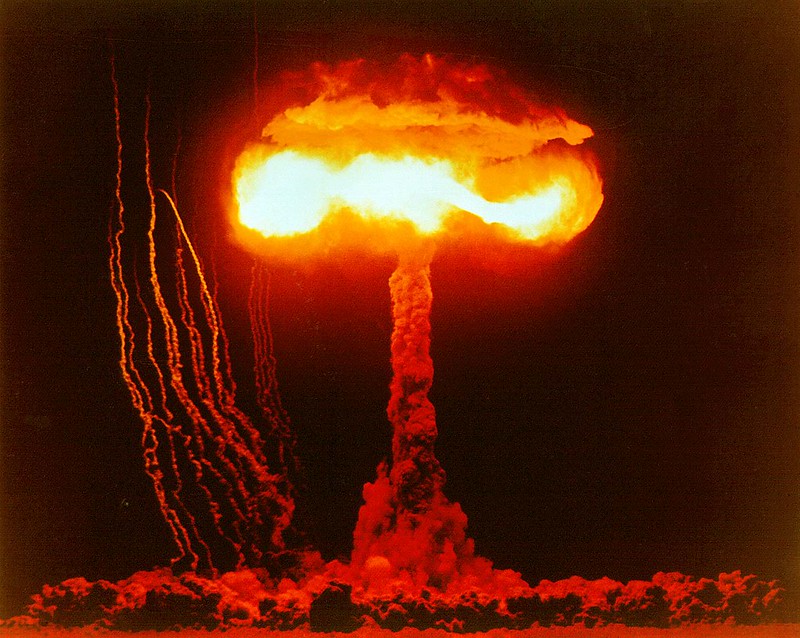
A potential Russian nuclear detonation in Ukraine would change the face of that conflict. How might NATO choose to respond?
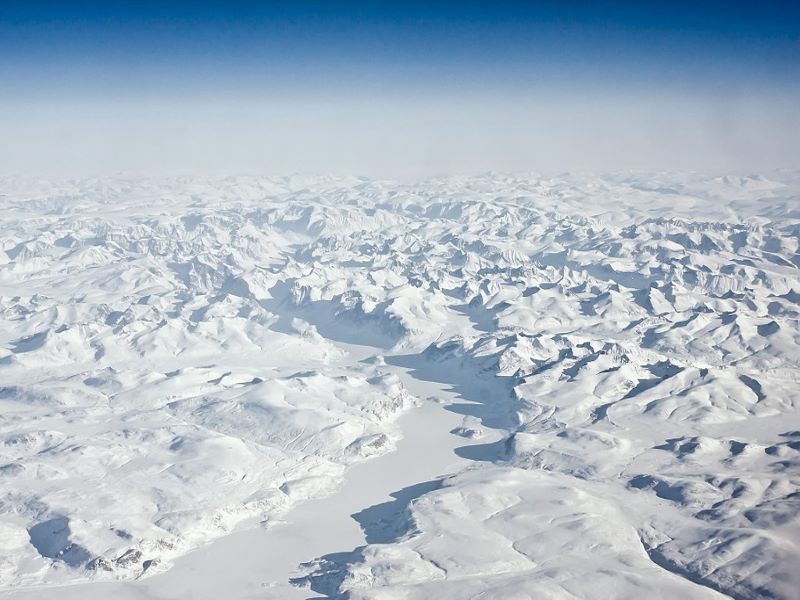
Canada has often faced calls to contribute more to NATO in the past; focusing on the Arctic theatre offers it a way to do just that.
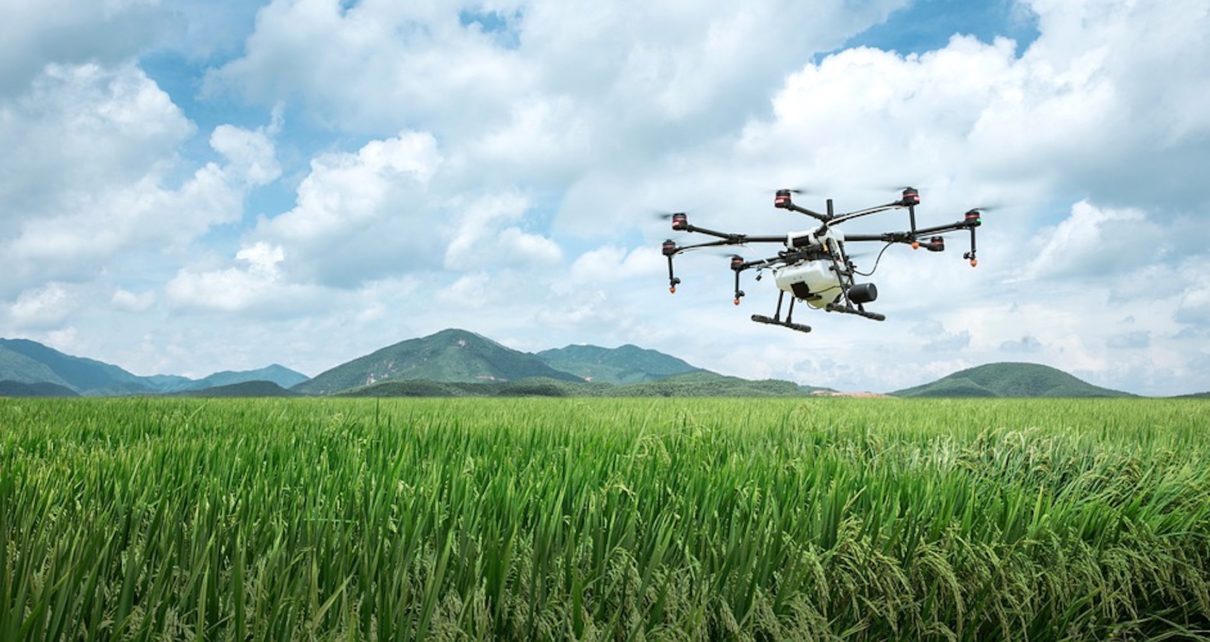
A Sustainable Agricultural Approach Canada’s population increased by over 5% from 2016 to 2021, and it is expected to continue growing. Canada must ensure its agricultural sector is resilient, innovative, and sustainable enough to feed a growing population, and competitive enough to remain a top food exporter. Many countries, including Canada, are currently experiencing serious challenges to their agricultural sectors, Read More…
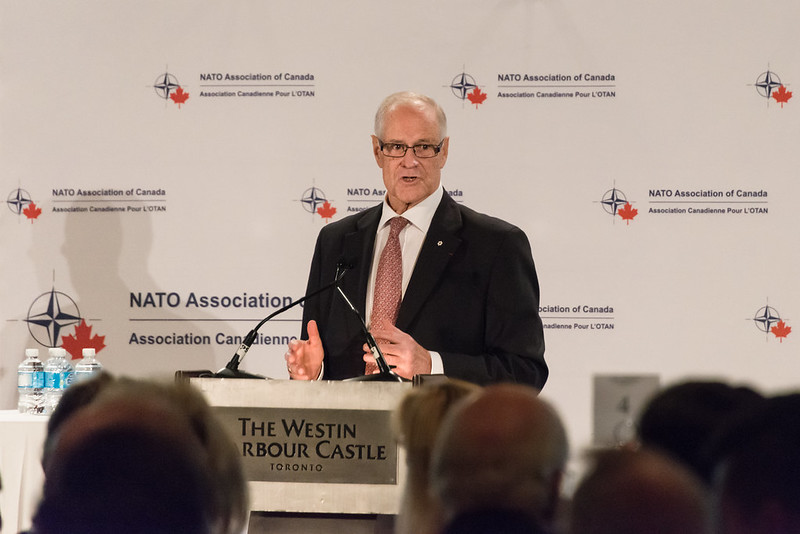
By: Julie Lindhout It was a sad day for Canada when the Honourable Bill Graham retired from elected politics although he continued to contribute in other ways. It was an even sadder day on Monday when he passed away and his wise counsel has been silenced, although there is still good advice to be found Read More…

What does war in the Tigray region show about the future of disinformation in ethnic and regional conflicts? In this article, Jack Burnham discusses the role of gas-lighting and other information warfare techniques in the Horn of Africa’s most recent outbreak of hostilities.