A list of authors, past and present
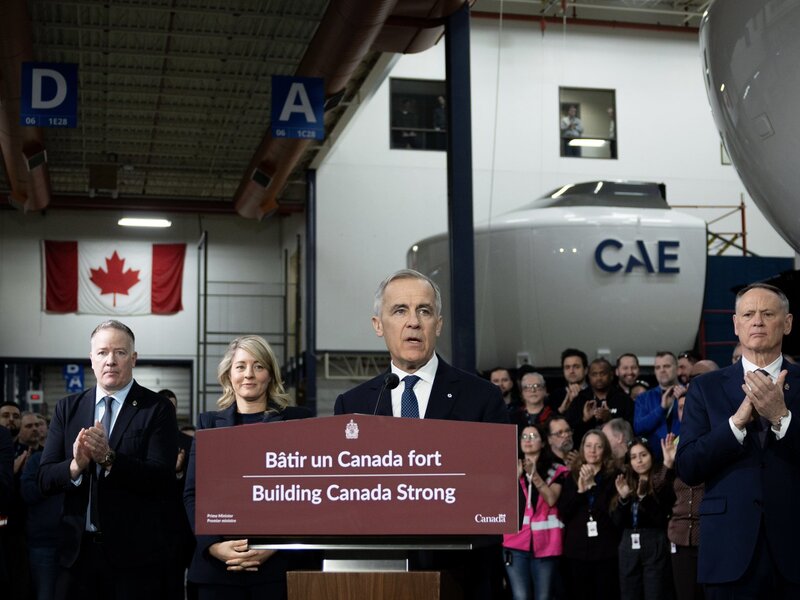
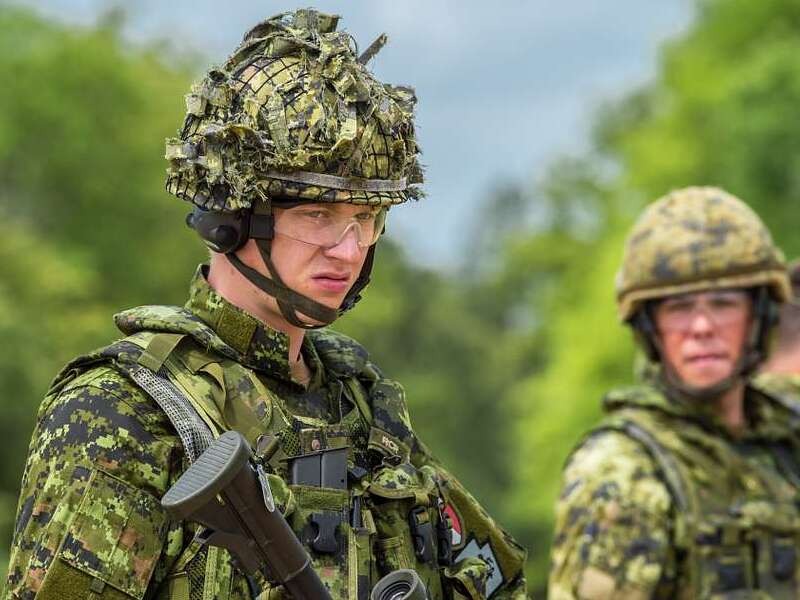
Canada’s Defence Industrial Strategy (DIS) aims to strengthen national defence posture by investing in domestic supply chains. This article explores whether the opportunities created by this expansion will produce meaningful gains for women in Canada’s defence and security industries. By examining initiatives among leading Canadian defence firms, this article assesses current efforts to promote women’s industrial participation and prescribes how the DIS can pursue gender-inclusive growth among Canada’s broader defence procurement strategy.
For most of human history, space was a realm of imagination; a canvas for myth, curiosity, and scientific dreaming. Yet today, that same silent expanse has become one of the most critical, fragile, and politically charged domains of human existence. Space has shifted from a frontier of scientific ambition into a contested arena where geopolitical Read More…
In the opening credits of The Jetsons, George Jetson glides through Orbit City, where technology has freed humanity from the drudgery of everyday life. The show offered a comforting fantasy in 1962; a city built on technological infrastructure that could dissolve urban problems altogether. Six decades later, as real cities rush to install sensors in Read More…
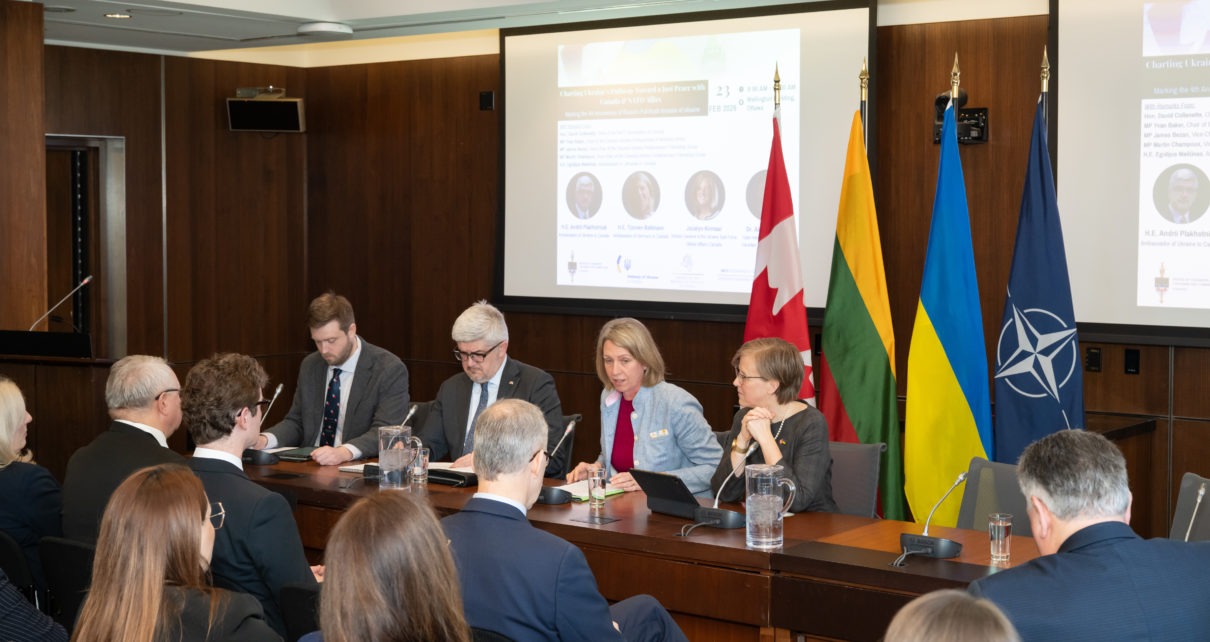
On February 23, 2026, the NATO Association of Canada (NAOC), in partnership with the Canada-Ukraine Parliamentary Friendship Group and the Embassies of Ukraine and Lithuania in Canada, organized a panel discussion entitled “Charting Ukraine’s Pathway Toward a Just Peace with Canada & NATO Allies”. The event was dedicated to commemorating the 4th anniversary of the Read More…
On January 2nd 2026, 45,000 households in southwestern Berlin woke up to find themselves without power or heating in the middle of winter. Overnight, assailants set fire to a cable bridge near a power plant, disrupting parts of the Berlin power supply network for weeks. Even after power was eventually restored, the subsequent fallout from the city government’s lacklustre response has led to calls for the mayor, who had been caught playing tennis during Read More…
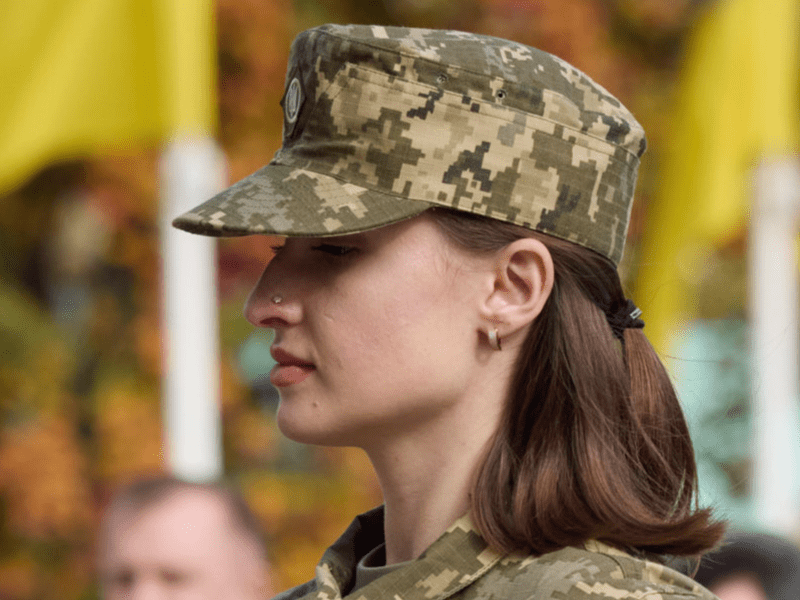
WPS policies are often disregarded when matters deemed of higher priority emerge, despite NATO’s high engagement of WPS values through public diplomacy, military, and political means. Russia’s invasion of Ukraine has posed the biggest security crisis to NATO in decades, and considering the gendered dimensions of the war, which has seen high rates of sexual and gender
based violence, NATO’s limited WPS response leaves the future of the Agenda in question. As a core tenet of NATO’s values, WPS must not be disregarded; member states that have adopted FFPs, such as Canada, should continue to drive the WPS agenda forward. This article makes key recommendations, including shifting to a human rights-based approach (HRBA) and employing more intentional language in operational directives, to support Ukraine’s current WPS policies.
This article examines misogyny and broader anti-gender ideology as under-recognized vectors of hybrid warfare that undermine NATO’s democratic resilience, military cohesion, and Alliance legitimacy. It argues that foreign adversaries exploit entrenched patriarchal and exclusionary narratives through gender-based disinformation to exacerbate polarization, target political actors, weaken trust in defence institutions, and delegitimize NATO. The article concludes that the principles of NATO’s Women, Peace and Security (WPS) policy counter foreign disinformation by limiting the impact of harmful gendered narratives and reinforcing pluralism, and what can be done to strengthen democratic resilience and NATO’s collective defence in an era of hybrid conflict.
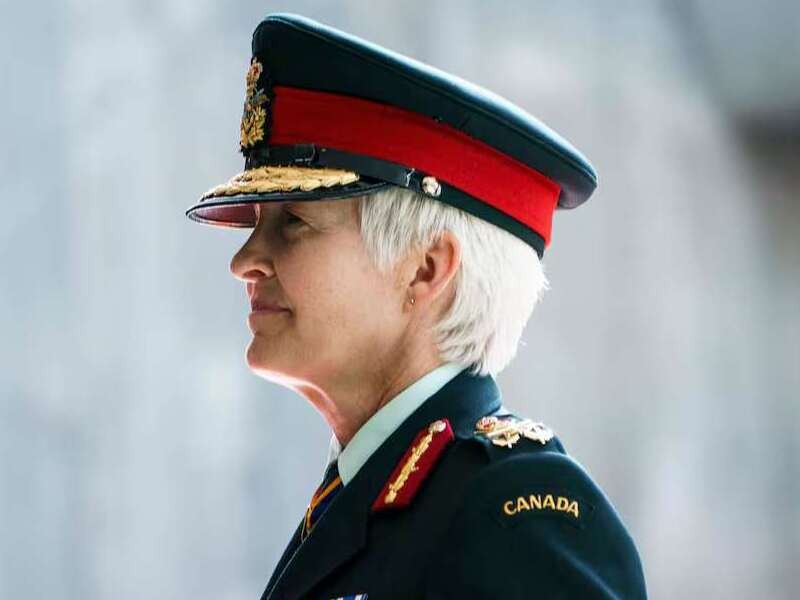
In July 2024, General Jennie Carignan became Canada’s first woman Chief of Defence Staff. This article centers her appointment as both a symbolic and institutional milestone in Canada’s effort to operationalize the Women, Peace, and Security (WPS) agenda. Tracing her leadership of the Canadian Armed Forces, the article demonstrates how offering equal access to opportunity is a prerequisite for military strength. Gen. Carignan’s leadership of the Canadian Armed Forces offers an example for NATO allies, who can similarly dismantle barriers to women’s leadership and embed inclusive military ethos. The article prescribes a series of pathways through which NATO allies can pursue institutional reform, thereby enhancing institutional quality and strengthening collective defence posture across the Alliance.
In November 2025, the Canadian Armed Forces (CAF) unveiled a plan for expanding the Supplementary Reserve force from 4,384 personnel to 300,000. In doing so, the CAF aims to create a civil defence corps out of the Supplementary Reserve. The Supplementary Reserve is distinct from the larger Primary Reserve, which is made up of part-time Read More…
Canada finds itself in an era of security challenges posed not only by traditional rivals, but also by its neighbour and greatest partner. The risks to its economic stability from both internal and external trials include failures to meet economic challenges caused by the 2015 oil crisis, COVID-19, and renewed European crises, all of which threaten to undermine Read More…