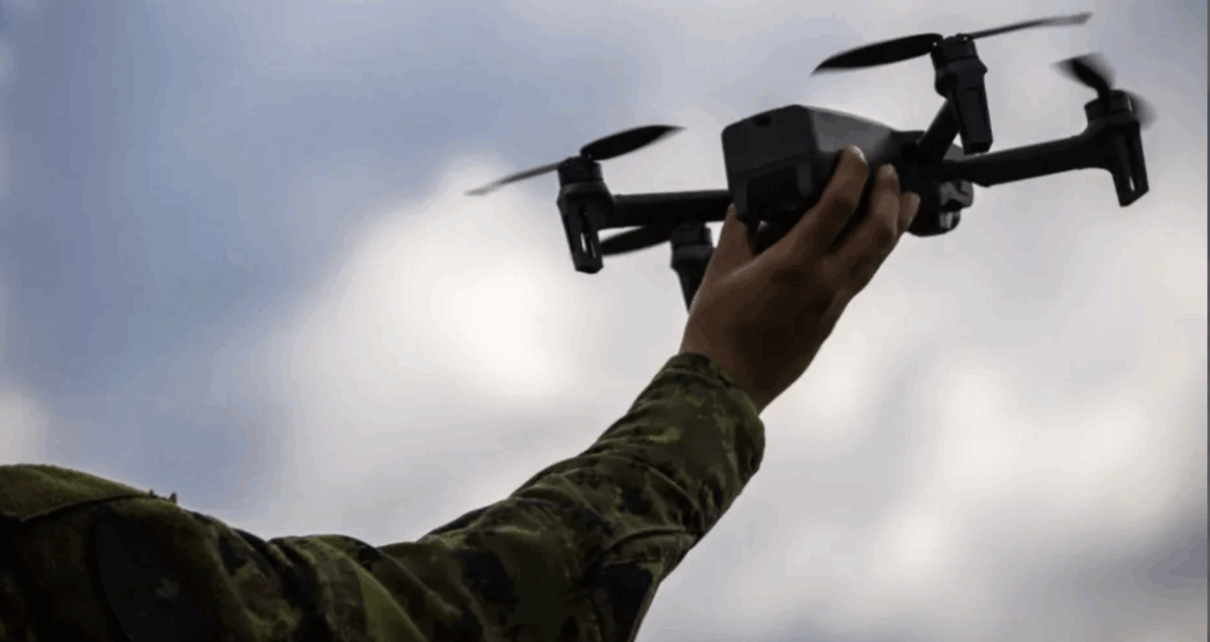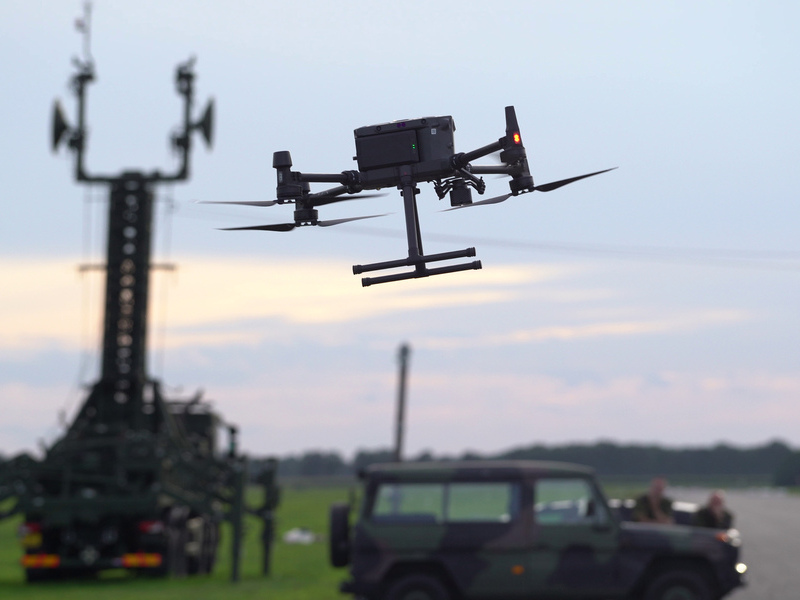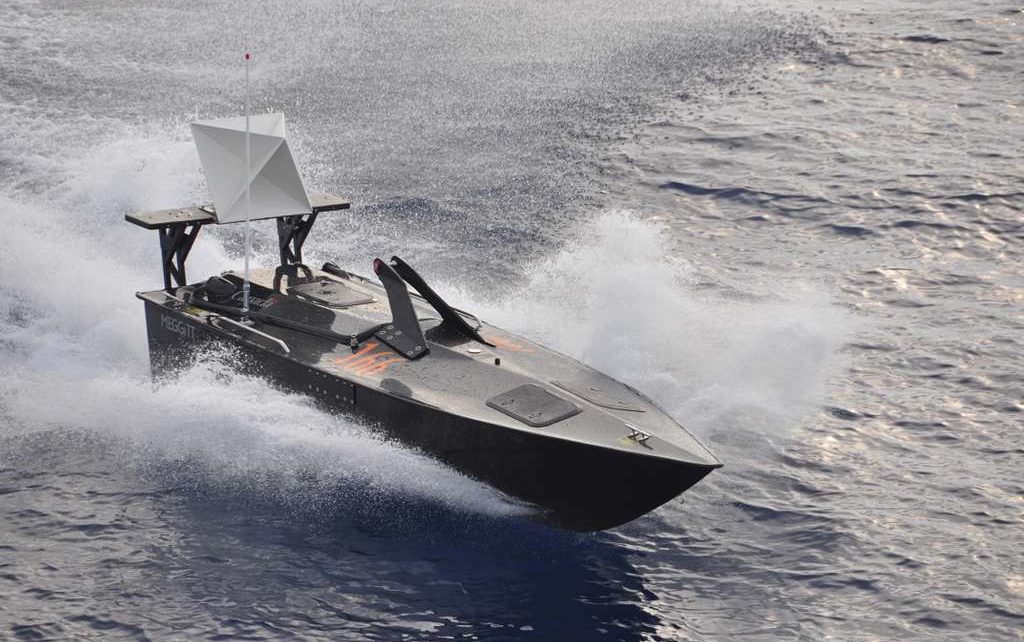
The declining cost of war, driven by cheap first-person-view (FPV) drones, commercially available components, and rapidly diffusing battlefield innovation, is lowering the financial barriers to enter conflicts, both for state and non-state actors. This risks increasing the frequency and territory impacted by armed conflict and, by extension, expands the risk of entrapment to NATO countries.
Tag: Drones
The Future of the Frontline: Embedding Gender in the Transition to Drone Warfare
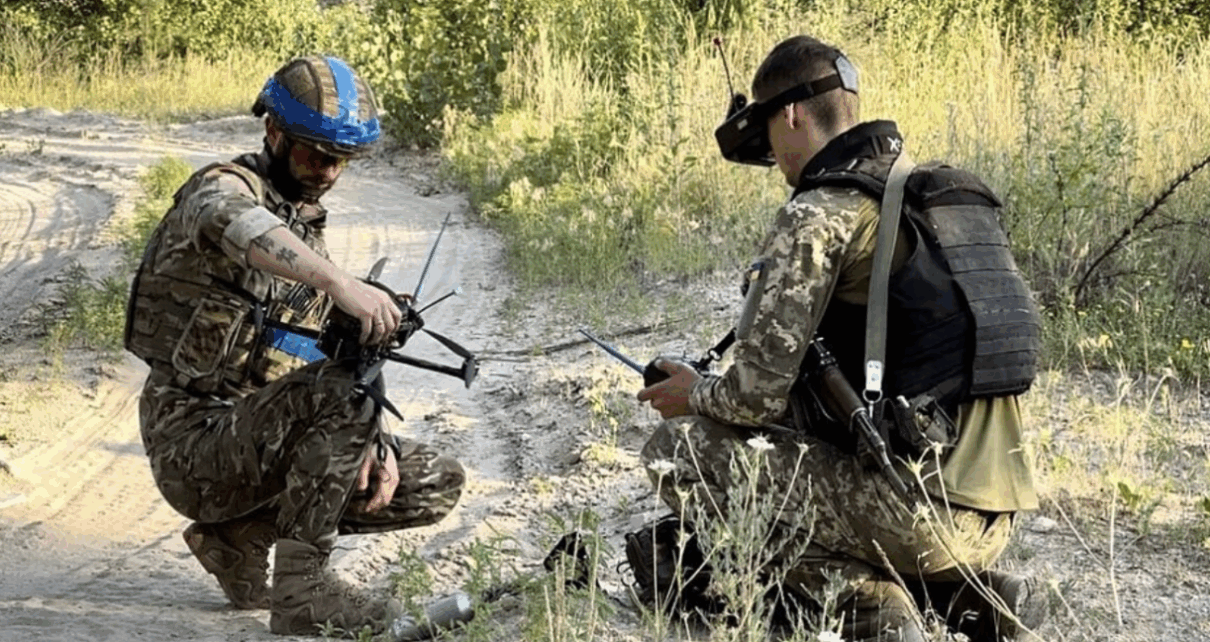
The transition toward drone warfare is transforming the frontline. Drawing on Ukraine’s experience, this article explores how remote warfare challenges conventional standards for combat effectiveness. These transformations create new opportunities and threats; the necessity for precision, composure, and critical thinking bolsters women’s greater capacity to perform as impressive drone operators. Alternatively, gendered stereotypes and psychological challenges persist. This article outlines pathways through which NATO can integrate gender perspectives into the deployment of uncrewed systems in order to optimize the integration of combat innovation.
What the Iran War Means for China’s Taiwan Calculus
How is the Iran war reshaping China’s strategic calculations toward Taiwan? Nguyen Bao Han Tran examines how the conflict is reinforcing two competing lessons for Beijing: weaker actors can impose serious costs through asymmetric drone warfare, while prolonged U.S. military engagement elsewhere may strain allied deterrence in the Indo-Pacific. As Middle Eastern and Asian security dynamics become increasingly interconnected, this article argues that China may become more cautious about full-scale invasion while finding blockade, gray-zone coercion, and other strategies below the threshold of war increasingly attractive.
Who Decides the Rules? NATO, Air Defence, and Russian Drone Incursions in Europe
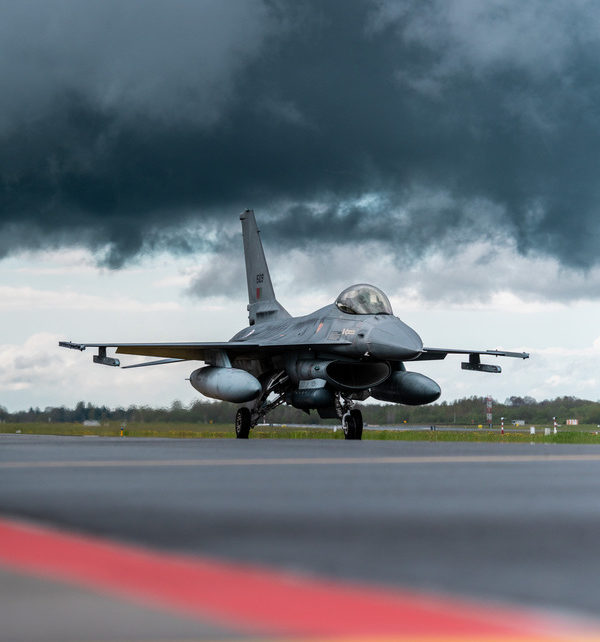
On November 24, 2015 after Russia had already launched its invasion of Ukraine, a Russian Sukhoi Su-24 was shot down by a Turkish F-16 after crossing into Turkish airspace. Since then, Russia has avoided any similar incursions or ‘tests’ of Turkey’s borders. Ten years later, on November 25, 2025, a Russian drone breached Romanian airspace Read More…
Unmanned Horizons: The Future of Aerial, Land, and Naval Drones
On November 28, 2025, the NATO Association of Canada convened over 150 defence leaders, industry innovators, and policymakers in Ottawa for the event entitled “Unmanned Horizons: The Future of Aerial, Land, and Naval Drones.” The panel explored the fast-moving landscape of drone technologies and what these advancements mean for Canada’s defence capabilities. This report provides a detailed summary of the conversation and argues that keeping pace with emerging technologies is essential for Canada’s security.
Three Russian Threats and How Canada Can Prepare for Them
While Canada might seem an unlikely target of direct threats from the Russian Federation, its engagement in global affairs and commitments to human rights and democracy inevitably put it at odds with Russia’s vision of the world order, drawing it into conflict with Russia’s revisionist foreign policy. With the Trump Administration pursuing an apparent rapprochement Read More…
Special Report: The MAS Gap, Canada Falls Behind as Allies Adopt Maritime Autonomous Systems
This is Part One of a two part series on maritime autonomous systems. Introduction As the geopolitical landscape becomes increasingly complex, with rising global competition and evolving security threats, Canada must take decisive steps to enhance its maritime capabilities by adopting Maritime Autonomous Systems (MAS). While our allies, including the United States, France, and NATO Read More…
Canada’s Military Assistance to Ukraine in 2024: Key Trends
In 2024, several major developments unfolded in the Russian war on Ukraine, including Ukraine’s offensive in Russia’s Kursk Oblast, which began in August. The Ukrainian Armed Forces intensified drone attacks on Russia’s military and energy infrastructure, targeting more than 30 oil refineries. Additionally, Ukraine has rapidly transformed from receiving military aid to becoming a successful Read More…
Drones of Influence: Information Warfare & Border Security on the Korean Peninsula
On October 11, 2024, North Korea accused South Korea of flying drones into its capital, claiming that the drones were used to spread South Korean propaganda across Pyongyang. On October 19, the KCNA state agency reported, “In light of the drone’s shape, the presumptive period of flight, the leaflet-scattering box fixed to the underpart of Read More…
Bridging Shortfalls: An Analysis of the Strategic Exchange between Russia and Iran
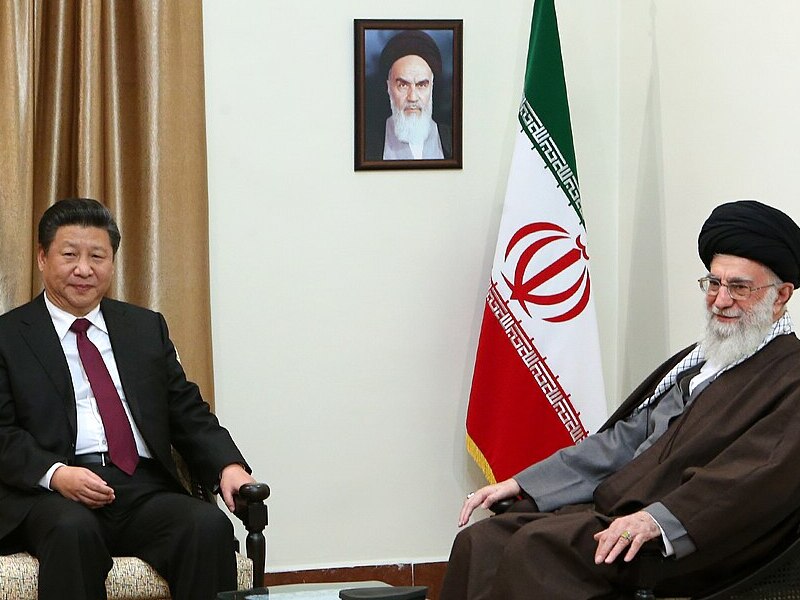
Amidst the tumult of conflict in Ukraine and instability in the Middle East, the partnership between Russia and Iran is at a historic juncture and is ripe for potential multifaceted cooperation. With Western sanctions, defence production and supply vulnerabilities persist for both these states, which seek to advance their respective interests and authoritarian model of Read More…