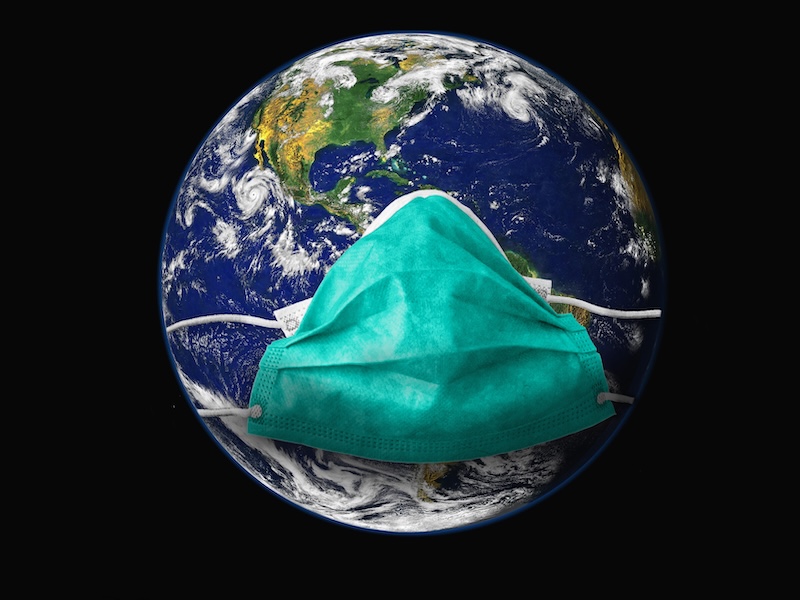
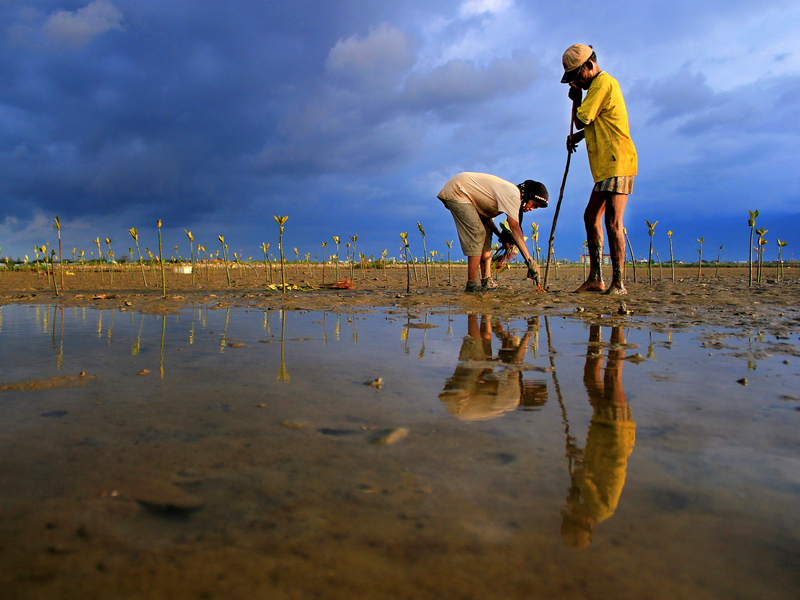
On May 2, 2026, the World Health Organization received notification of a hantavirus outbreak aboard a Dutch-flagged cruise ship. While the outbreak remains contained at the time of reporting, it has renewed policy attention to the persistent security risks posed by zoonotic diseases (any disease naturally transmissible between animals and humans) and the global systems Read More…
4. Programs
placeholder for programs
HIMARS and the Sovereignty Challenge Facing the Canadian Armed Forces
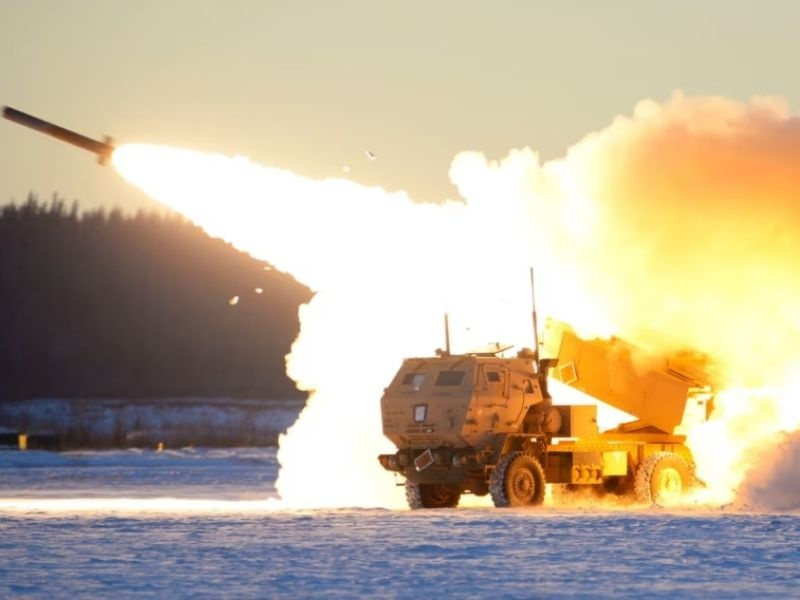
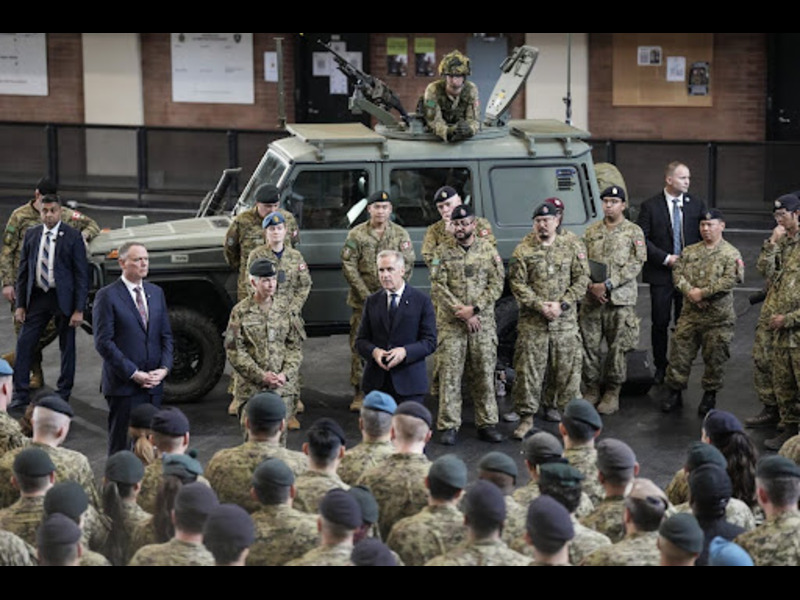
Why is Canada buying HIMARS? In this piece, Maral Hamzehloo examines how Canada’s acquisition of the High Mobility Artillery Rocket System (HIMARS) addresses a critical capability gap within the Canadian Armed Forces and supports Ottawa’s commitment to fielding a combat-capable brigade in Latvia. As HIMARS becomes NATO’s standard long-range fires platform, the system also strengthens interoperability with key allies. However, she argues that the capability’s effectiveness remains tied to access to U.S.-produced munitions, support networks, and industrial capacity. Drawing on recent examples involving Estonia and Ukraine, she contends that Canada should pair the acquisition with stronger munitions resilience, expanded allied procurement mechanisms, and greater domestic industrial participation to ensure the capability can be sustained during a major crisis.
Shoulder to Shoulder: Canada’s Indo-Pacific Naval Outreach
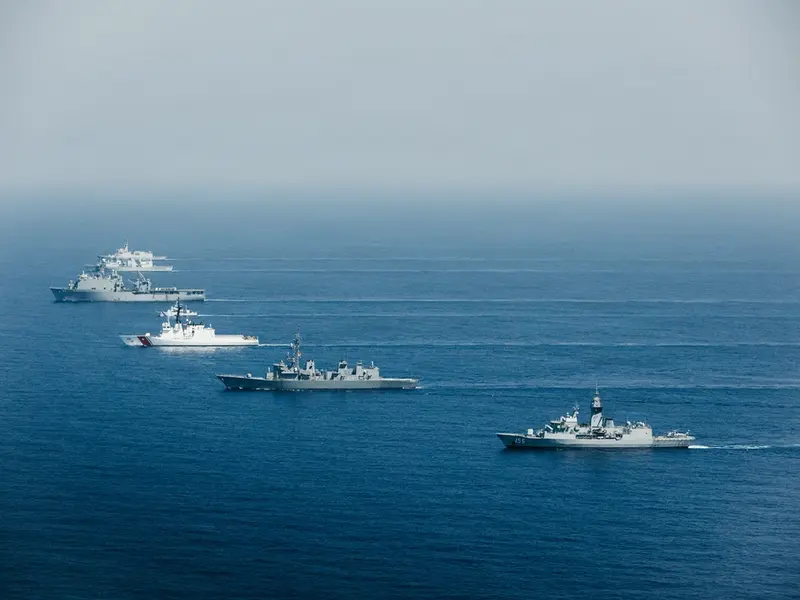
As Indo-Pacific middle powers reshape the region’s maritime security architecture, Anastasia Crook argues rotational deployments and multilateral engagement are Canada’s most effective tools for advancing its interests in a region where permanent basing and fleet size are limited.
Parallel Progress, Divergent Systems: What the Science and Technology Organization’s 2025 Highlights Report Reveals About NATO’s Technological Modernization Gaps
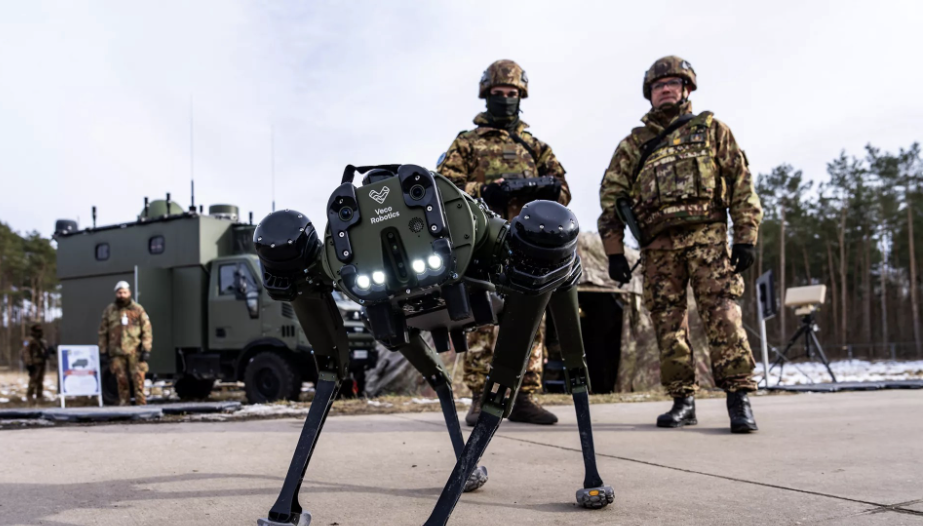
The 2025 Science and Technology Organization (STO) Highlights Report is a stark reminder that in an environment characterized by compressed decision cycles and rapid response requirements, technological military advantage depends less on possessing advanced systems than on how seamlessly they operate across domains, nations, and architectures. Progress in integrated platforms and autonomous sensing and countermeasure Read More…
Tariffs and Readiness: What U.S.–Canada Trade Tensions Mean for Canada’s Defence Industrial Base
Canada’s Defence Industrial Strategy marks one of Ottawa’s most ambitious efforts in decades to rebuild military readiness and strengthen the industrial base behind the Canadian Armed Forces. However, renewed U.S. tariff pressure raises a harder question about whether Canada can turn defence investment into real capability while its production systems remain tied to American-linked supply chains. This article argues that tariffs are not simply an economic dispute, but a defence readiness issue that reveals the limits of Canada’s long-standing dependence on the United States.
Dealing with Defence: Canada’s Use of Economic Agreements as Instruments for Security
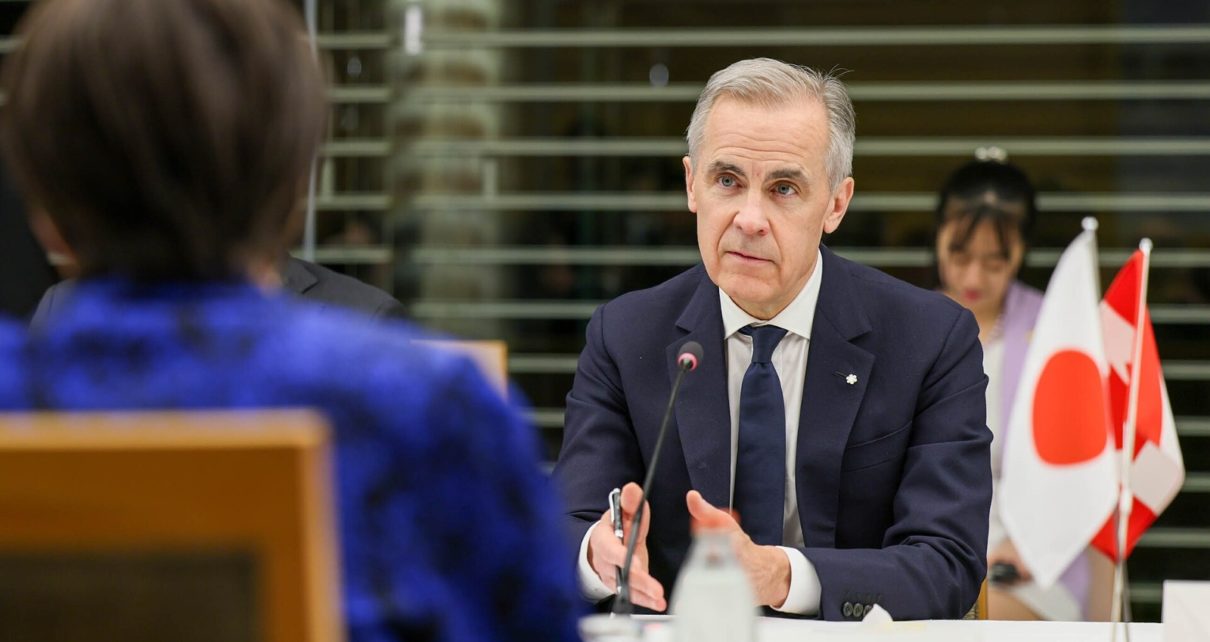
A tariff regime isn’t an act of war, and a supply-chain cut-off isn’t an invasion — even if they are coercive. In this article, Tyler Stevenson examines how Canada is responding to these threats through a new wave of comprehensive partnerships that treat trade as an extension of defence policy.
What Counts as Defence? The Case for Climate Adaptation in NATO’s 1.5% Commitment
What should count as defence investment in an era of climate-driven insecurity? In this article, Olly Griesbach argues that NATO’s new and largely undefined 1.5% resilience spending category offers a crucial policy opening to formally recognize climate adaptation, and that Canada is uniquely positioned to lead that push.
The Threat Within: Canada’s Responsibility to Combat Far-Right Extremism in the Armed Forces
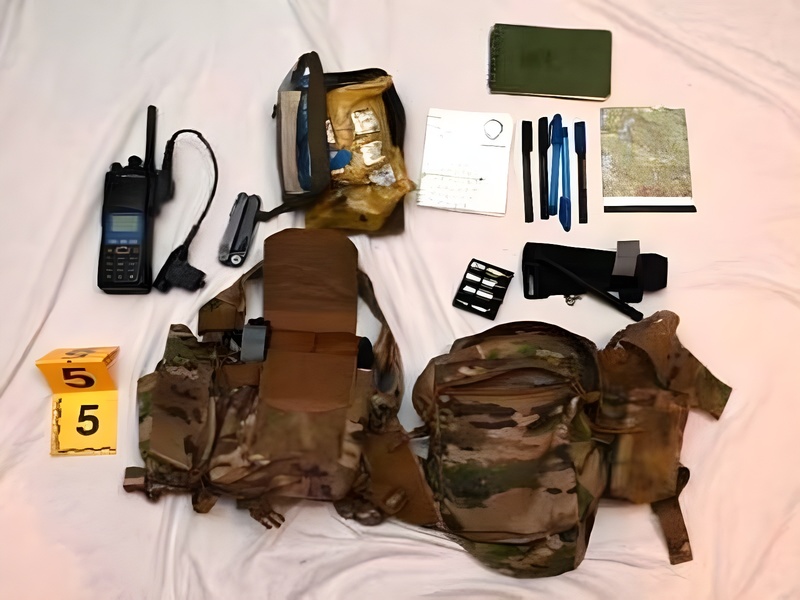
In the early morning hours of July 8th, 2025, the Royal Canadian Mounted Police (RCMP) arrested four men in Quebec. The men in question had been building up a stockpile of weapons. Over 11,000 rounds of ammunition, 83 firearms, and over a dozen explosives were found. They had, for years, been engaged in military-style training Read More…
Why the Invisibility of Climate Refugees Threatens the Global Order
For millions of people, displacement poses a threat not due to war or persecution, but because the land beneath their feet is disappearing, crops can no longer grow, or floods return year after year. A 2020 report by ActionAid and Climate Action Network South Asia estimates that climate-related disasters could displace nearly 63 million people Read More…
Defending Canada’s Digital State: CRA Cyber Incidents, NATO Resilience, and Economic Security
Canada’s threat environment has already made clear that cyber risks demand serious attention; the real question is what the country chooses to defend. The CRA incidents and NATO’s resilience agenda show that protecting Canada today means treating core digital systems as strategic assets essential to public trust, fiscal stability, and national security