On May 2, 2026, the World Health Organization received notification of a hantavirus outbreak aboard a Dutch-flagged cruise ship. While the outbreak remains contained at the time of reporting, it has renewed policy attention to the persistent security risks posed by zoonotic diseases (any disease naturally transmissible between animals and humans) and the global systems designed to detect and respond to them. Although the outbreak itself has not escalated into a broader international health emergency, it serves as a reminder that infectious disease threats remain an enduring challenge in an increasingly interconnected world.
Hantavirus pulmonary syndrome is a rare but severe zoonotic respiratory disease transmitted primarily through contact with infected rodents. According to the Public Health Agency of Canada as of May 8th2026, the impact of the hantavirus outbreak on the general population in Canada is minor, given that close, prolonged contact is required in order for person-to-person spread of these disease and is considered rare, making the chances of continued spread within Canada unlikely. Yet, outbreaks of zoonotic diseases such as hantavirus conditions that facilitate the emergence and spread of infectious diseases remain present, and the international community cannot afford to view pandemic preparedness as a challenge of the past.
More than six years after the emergence of COVID-19, policy makers continue to grapple with the lessons learned from the largest global public health crisis in a century. While significant progress has been made in strengthening surveillance systems and emergency response capabilities, the recent attention surrounding hantavirus raises a critical question for governments and international organizations alike: how prepared is the international system for the next pandemic-level biological threat?
Pandemic preparedness is often discussed through the lens of healthcare capacity, vaccine development, and emergency response planning. However, COVID-19 demonstrated that infectious disease outbreaks have consequences far beyond the health sector, and our understanding of preparedness should be expanded. According to Canada’s Pandemic Preparedness Plan (2025), “The COVID-19 pandemic brought attention to broad health and societal impacts created by pandemics, and it became clear in 2023 that an updated, more comprehensive and nimble approach to Canadian and international pandemic planning was required.” The pandemic disrupted not only public health systems and global supply chains, it also strained public finances, intensified geopolitical tensions, and exposed vulnerabilities within critical infrastructure systems. In many respects, COVID-19 presented a public health crisis that became a multidimensional security crisis.
Despite recent advances in surveillance capacity, biomedical research, and emergency response mechanisms, the global response to COVID-19 was fragmented, delayed, and uneven across regions. The Lancet Commission on Lessons for the Future from the COVID-19 Pandemic asserts that effective preparedness requires standardisation of evidence-based public health and social measures to suppress viral transmission, as well as strengthened disease surveillance with genomic monitoring, improved early warning systems, and coordinated sharing of epidemiological data and resources. However, the Commission also highlights systemic failures in international coordination, including inconsistent data sharing, delayed implementation of public health measures, and unequal access to vaccines. These weaknesses not only intensified the global health impact of COVID-19 but also demonstrated how fragmented preparedness systems can translate directly into strategic and economic vulnerability.
From a security perspective, these gaps highlight a critical reality that pandemics are not solely public health events, but systemic shocks that affect economic stability, supply chains, national security readiness, and geopolitical resilience. These structural weaknesses have not been fully resolved in the post-pandemic period. The pandemic also revealed the importance of public trust as a security asset. Misinformation undermined compliance with public health measures, while inconsistent messaging across jurisdictions weakened policy effectiveness. In response to this issue, the WHO advocates for universal access to credible health information and building resilience to misinformation worldwide. In future biological events, information integrity will remain a crucial factor in national and allied resilience.
The renewed attention to hantavirus also highlights the need for sustained investment in global health security as a core component of national preparedness and collective defence planning. This includes strengthening disease surveillance systems, increased capacity building, improving cross-border information sharing, and expanding laboratory and genomic sequencing capacity to enable earlier detection of emerging threats. For Canada, pandemic preparedness increasingly intersects with questions of national resilience and international cooperation. These priorities are reflected in its support for the development of a new international pandemic agreement aimed at improving coordination, equity, and preparedness across states. According to the Government of Canada, this initiative emphasizes faster pathogen data sharing and more equitable access to medical countermeasures during health emergencies, both of which are essential to reducing strategic delays in future responses.
Within the broader security architecture, NATO also plays an increasing role in resilience planning. NATO’s commitment to civil preparedness under Article 3 of the North Atlantic Treaty recognizes that health emergencies can directly affect defence readiness and national resilience. Ensuring that Allied states can withstand and recover from large-scale infectious disease outbreaks is both a public health objective and a core component of collective security. The experience of COVID-19 reinforced the understanding that public health emergencies can affect military readiness, critical infrastructure, supply chains, and government continuity.
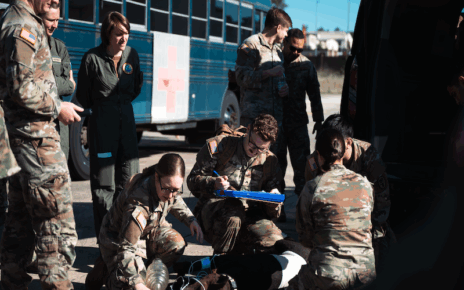
During the COVID-19 pandemic, NATO coordinated strategic airlift missions, facilitated transportation of medical supplies, and worked closely with other international organizations to assist in pandemic relief within several Allied countries and other locations of NATO deployment. These efforts demonstrated how military and civilian institutions can cooperate during large-scale emergencies. Looking ahead, continued collaboration on preparedness planning, emergency logistics, and resilience-building initiatives will be essential for strengthening collective responses to future biological threats.
Ultimately, pandemic preparedness must be understood as a core global health security priority and a fundamental element of national resilience. COVID-19 exposed systemic weaknesses in global preparedness, but it also provided a clear framework for reform. Strengthening surveillance systems, improving international coordination, investing in resilient health infrastructure, and reinforcing public trust are essential steps toward mitigating future crises. The recent hantavirus outbreak may be limited in scope, but it highlights the continued reality of biological threat in the twenty-first century. For Canada and its allies, building resilient systems capable of detecting, containing, and responding to emerging infectious diseases will be essential for protecting public health to safeguard both national and global security.
Disclaimer: Any views or opinions expressed in articles are solely those of the author and do not necessarily represent the views of the NATO Association of Canada.
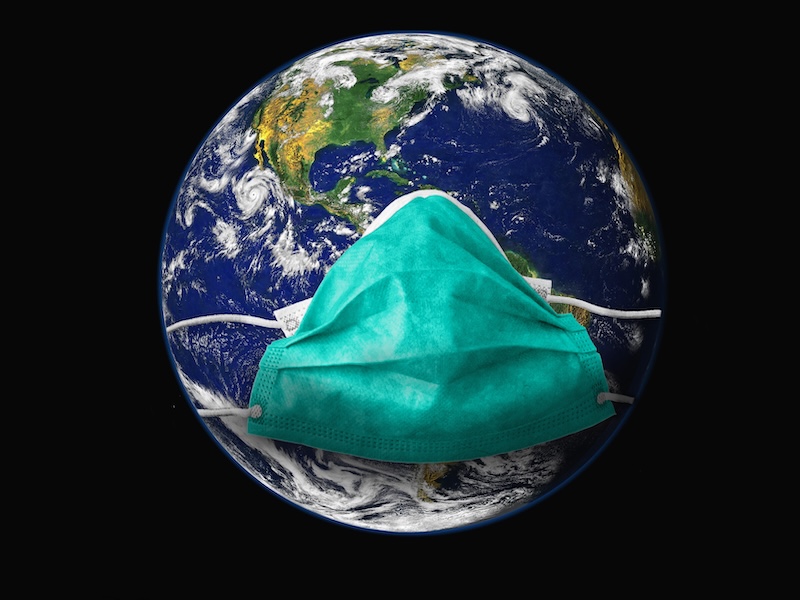
Mask World Coronavirus Disease (published 13 March 2020), depicting a world map wearing a protective mask during the COVID-19 pandemic, by Alexandra_Koch via Pixabay. Licensed under the Pixabay Content License