


NATO Association of Canada
The mission of NATO Association of Canada is to promote peace, prosperity, and security through knowledge and understanding of the importance of NATO.
We strive to educate and engage Canadians about NATO and NATO’s goal of peace, prosperity and security. NATO Association of Canada ensures that we have an informed citizenry able to contribute to discussions about Canada’s role on the world stage.
As a leading member of the Atlantic Treaty Association (ATA), NATO Association of Canada has strong and enduring ties with sister organizations in many of the alliance countries, as well as members of NATO’s “Partnership for Peace” and “Mediterranean Dialogue” programmes. The NAOC has had a leading role in the recent transformation and modernization of the ATA, and helped to create and develop the Youth Atlantic Treaty Association (YATA).
The NAOC has strong ties with the Government of Canada including Global Affairs Canada and the Department of National Defence. We are constantly working to create and maintain relationships with international organizations such as the World Bank Group, the European Bank of Reconstruction and Development, NATO Headquarters, the International Criminal Court, and other prominent international NGOs and think tanks.
Related Articles
Polish Promises, the Eastern Flank and Canadian Leadership
Posted on Author Rejeanne Lacroix
Rejeanne Lacroix examines Canada’s role in Eastern Europe and the Baltics.

Transnational Activism in Punjab Election Prompts a Reimagining of Political Boundaries
Posted on Author Nilum Panesar
Non-Resident Indian involvement in the recent election in Punjab prompts a much needed discussion of the way transnational movements are reshaping and redefining political boundaries.
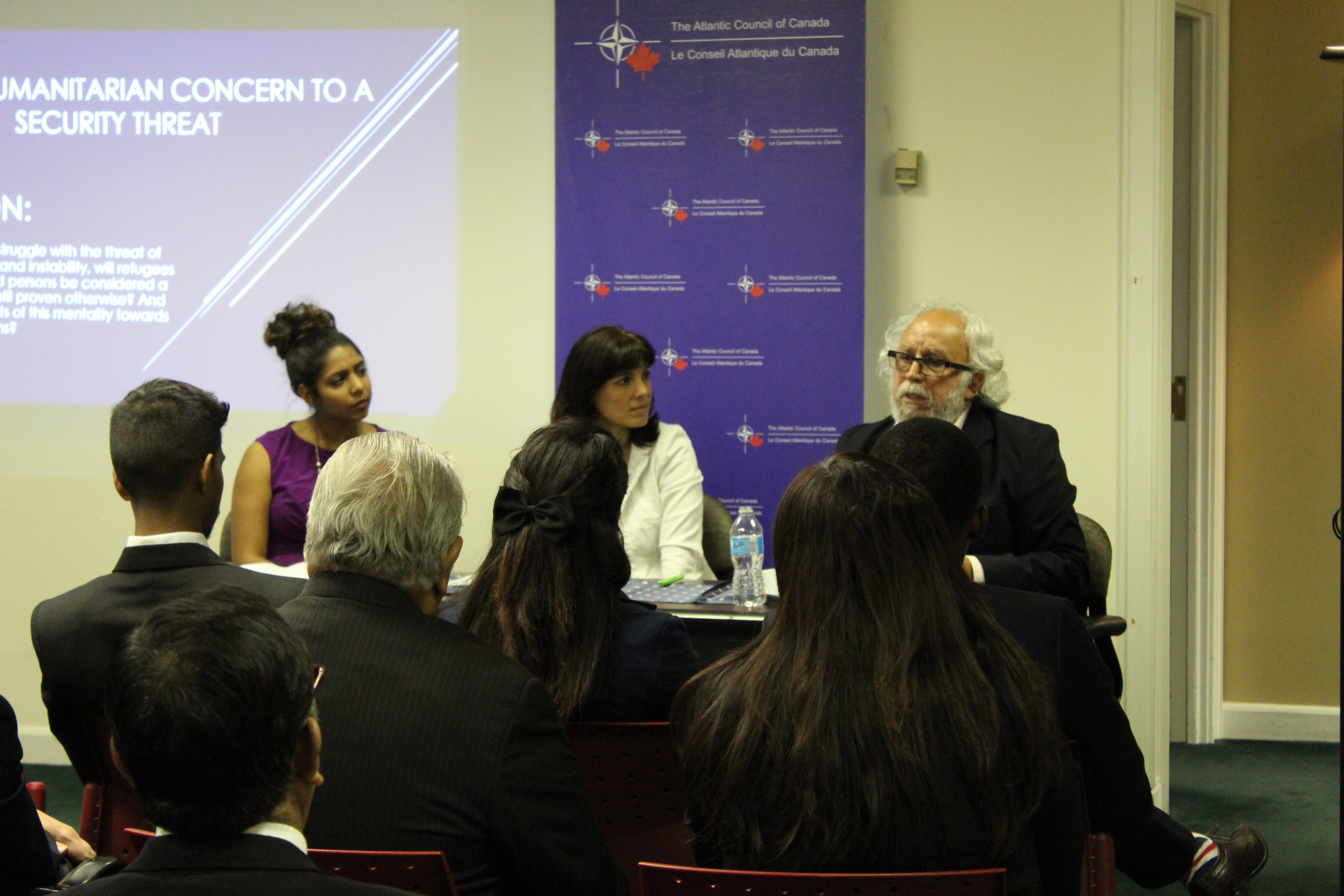
From a Humanitarian Concern to a Security Threat: Changing Mentality Towards Refugees and Inter-displaced Persons
Posted on Author NATO Association of Canada
The NAoC hosted a panel event in June 2015, discussing the following question: As more countries struggle with the threat of domestic terrorism and instability, will refugees and inter-displaced persons be considered a “security threat”?