Female journalists experience harmful stereotypes, increased susceptibility to violence, and additional barriers, especially when reporting in conflict zones. Journalism is a crucial mechanism that contributes to peace and security, and it is essential to support women in this space as they add differing perspectives in this traditionally male-dominated space.
Tag: NATO
The Value of our Strength: How Carney’s Davos Speech Exposes NATO’s Economic Security Gap
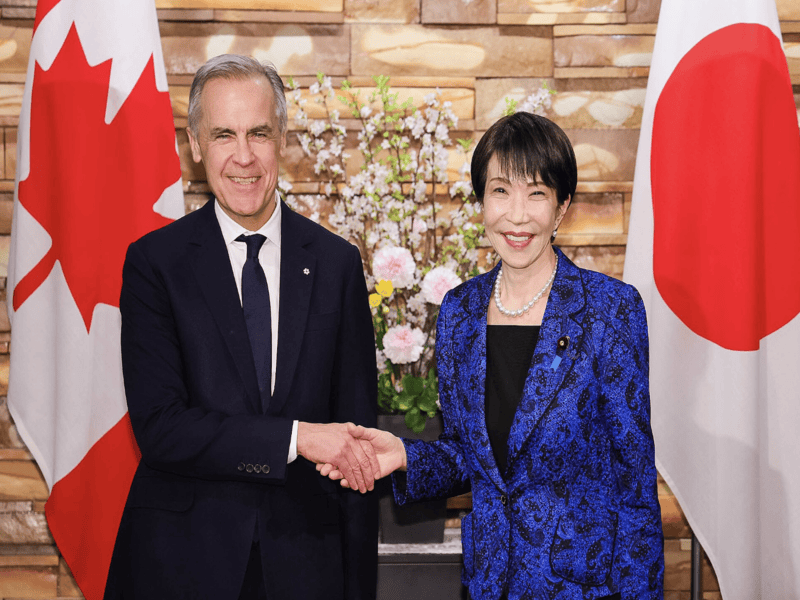
As NATO faces an era of unprecedented economic coercion between allies, can a military alliance built for tanks and treaties truly protect its members from tariffs and trade wars? In this article, Kaya Dupuis examines Canadian Prime Minister Mark Carney’s landmark speech at the World Economic Forum, arguing that Canada’s pivot toward “strategic autonomy”, leveraging energy, critical minerals and bilateral trade deals as defensive tools, exposes a fundamental gap in NATO’s mandate, one that leaves middle powers increasingly vulnerable to economic threats that Article 5 was never designed to address.
Avoiding Escalation Pitfalls: Australia and NATO
What does the Australia-NATO partnership mean in the current moment of geopolitical flux? In this piece, junior research fellow Joel Sawyer examines the strategic histories driving Australia-NATO alignment, the potential hazards of deepening military cooperation, and how to move the relationship forward.
Not Just a Submarine: South Korea’s Bid and Canada’s Indo-Pacific Strategy
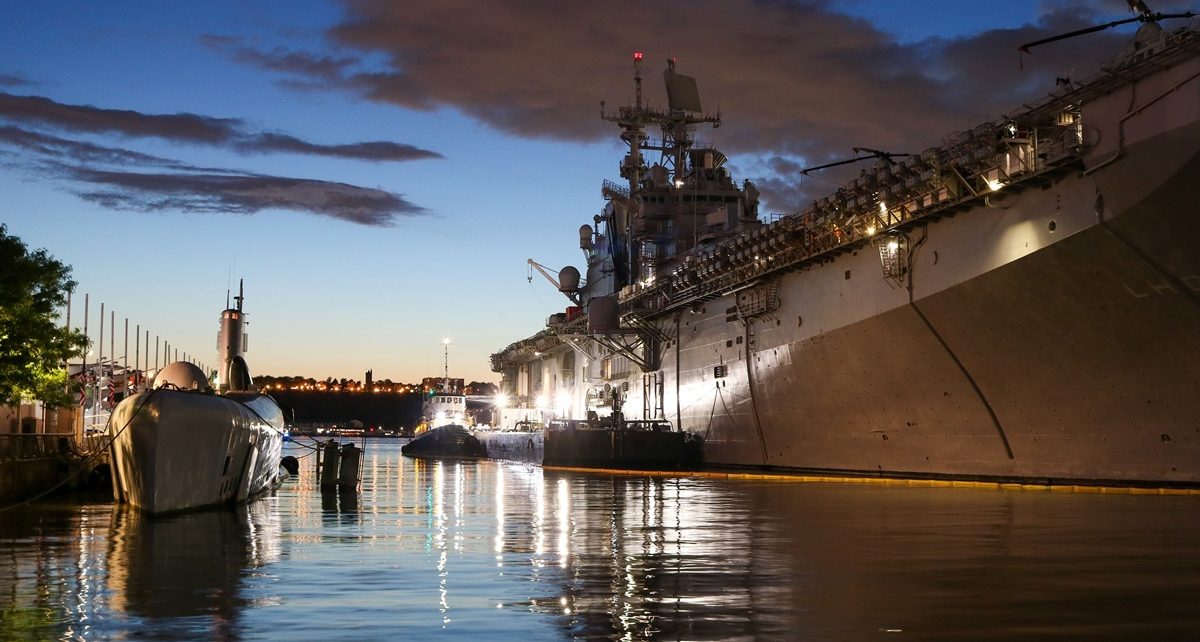
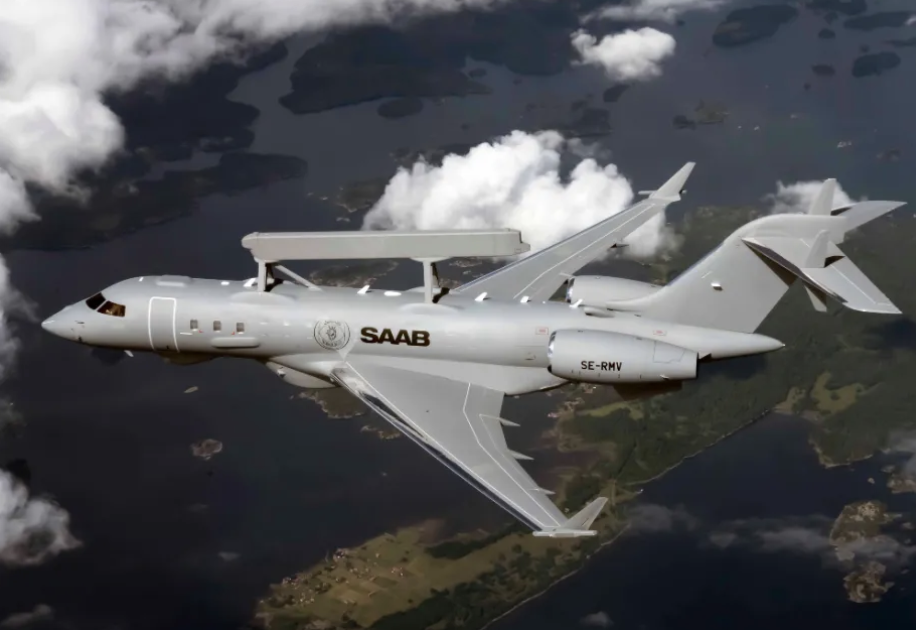
As Ottawa weighs its next submarine fleet, the stakes extend far beyond procurement. Tasneem Gedi argues that South Korea’s KSS-III could help Canada restore its undersea capabilities, strengthen its Indo-Pacific posture, and lay the foundation for a deeper defence relationship with Seoul. In a more demanding world, that makes this a strategic decision with consequences well beyond the navy itself.
The power of Atom, shared: Future of Canada’s extended nuclear deterrence within NATO.
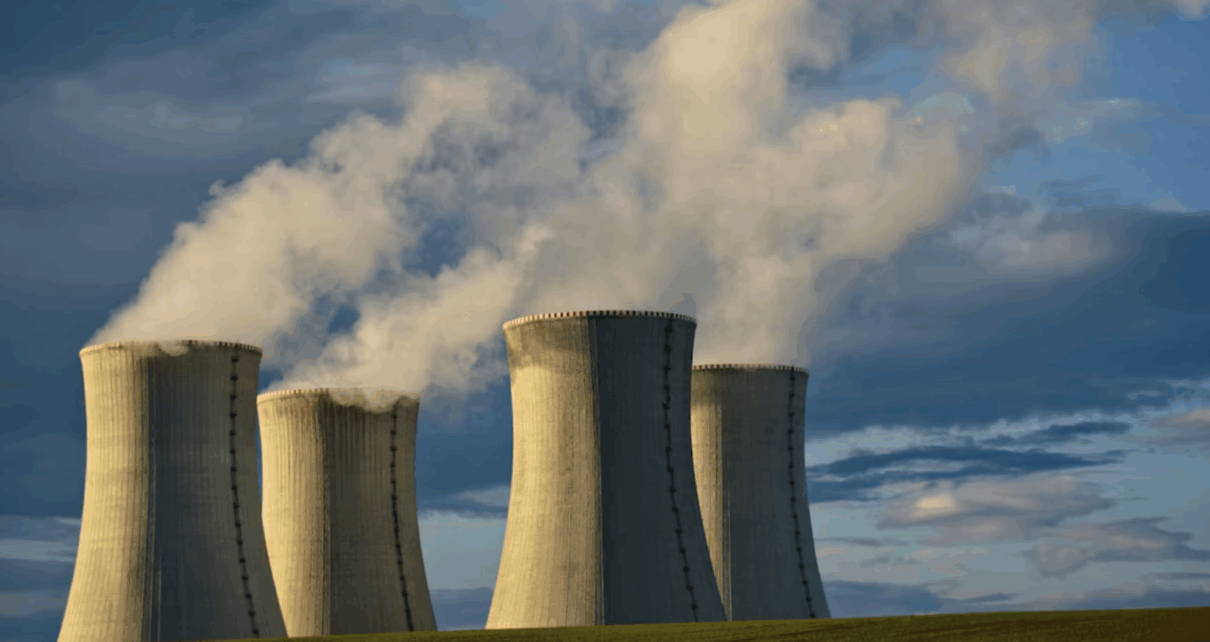
Recent shifts in US defence policy have cast doubt on the reliability of the American nuclear umbrella that Canada and NATO allies have relied on for decades. While European states explore alternative deterrence arrangements through possible nuclear sharing by France and the UK, Canada’s access to these options is limited by its geography. This article argues that Canada can address this vulnerability without compromising its non-proliferation commitments by deepening its role in NORAD. Canada’s strategic importance to North America’s Arctic defence gives Ottawa unique leverage – which it should actively use to reinforce its membership within the American extended nuclear deterrence in face of mounting global security challenges.
Can External Recruitment Address Skill Shortages in the Canadian Armed Forces?
As the Canadian Armed Forces (CAF) continue to operate below authorized strength, the Government of Canada has announced plans to create a pathway for skilled foreign military recruits to help fill shortages in critical occupations. This reflects a broader challenge facing allied militaries: how to fill urgent personnel gaps without creating new long-term problems. This article examines whether foreign recruitment is becoming a lasting part of force generation or whether it is being used to respond to ongoing personnel pressures.
Drawing on examples from the United States, the United Kingdom, and France, the article argues that external recruitment works best when it is connected to broader personnel planning, domestic training systems, and retention efforts. While it can help ease pressure in high-skill occupations such as aviation and medicine, its long-term value depends on whether it strengthens the force over time. The analysis suggests that foreign recruitment can support capability, but its overall value will depend on how well it fits within Canada’s wider workforce approach.
More Than Just a Woman: Exploring Peacekeeping Operations Through a Multifaceted Lens
Overlapping structural barriers, including economic inequality, racism, and social inequalities, work to limit women’s agency, reinforcing problematic assumptions around gender and reasons for women’s inclusion. Contextual considerations to peacekeeping operations (eg. geography, history, culture) as well as overlapping factors that affect women’s experiences should be accounted for when determining responsibilities/mandates. Missions could benefit from incorporating an intersectional perspective, beyond just the gendered dimension; race, class, sexuality, and other social identities have organizational, institutional, and field-level effects in the conflict resolution process.
Disinformation and the Collapse of Shared Reality: Lessons from the Venezuela–Maduro Crisis
On January 3, 2026, the United States announced that its forces had captured Venezuelan President Nicolás Maduro and flown him to New York to face charges. Within minutes of President Donald Trump’s message breaking across social media platforms, an array of AI-generated images, recycled footage, and outright false claims began circulating widely. Some purported to Read More…
Understanding Canada’s Trade Diversification Policy and Lessons for other NATO States
Could Canada’s new trade policy serve as a template for the rest of NATO? This article analyses Canada’s trade diversification strategy as a case study to assess its viability as a model for achieving economic security among NATO member states.
What does the Venezuelan Oil Situation mean for Canadian Energy Security in the NATO Alliance?
In this article, Kaya Dupuis examines how the U.S. seizure of Venezuelan oil reserves in January 2026 creates an unprecedented opportunity for Canada to reshape North American energy dynamics. Can Canada move fast enough to capitalize on Venezuela’s decade-long recovery timeline and secure its position as the continent’s energy supplier before the window closes?