Narayan Srivastava highlights how NATO’s relevance in today’s multipolar world depends on engagement with the Global South. From safeguarding maritime chokepoints to strengthening resilience in energy and trade, actors like India, Brazil, and the Gulf states are emerging as indispensable partners. By expanding its partnership models and leveraging shared interests, this article explores how NATO can reinforce its role as the global custodian of stability, ensuring that the Alliance not only adapts to new realities but leads in shaping them.
Tag: Indo-Pacific
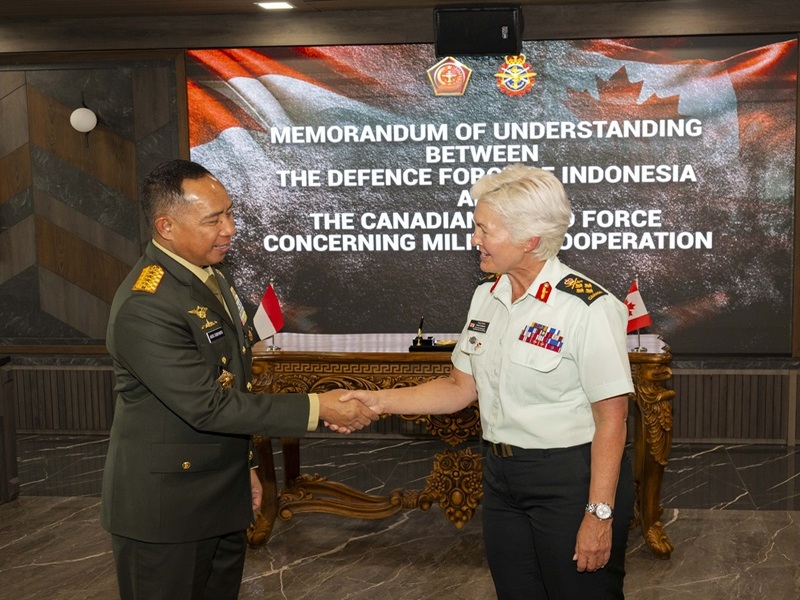
Building New Bridges: How Canada’s Defence Pact with Indonesia Signals a New Direction in Canadian Foreign Policy
What does Canada’s defence pact with Indonesia mean for foreign policy? In this article, Karissa Cruz highlights the broader implications posed by Canada’s new strategy in maritime and military cooperation with Indonesia, what it means for both countries, and how it can be considered a response to the shift in America’s foreign policy.
A New Playbook: Strategic Autonomy and NATO in the Indo-Pacific
By Daniel Lincoln The modern Indo-Pacific is witnessing assertions of strategic autonomy that challenge classical geopolitical logics and patterns of great power competition. During the 2025 Shangri-La Dialogue in Singapore, regional leaders signaled that they will not be corralled into binary agreements amid intensifying US-China rivalry. The forum revealed a fundamental rejection of zero-sum superpower Read More…
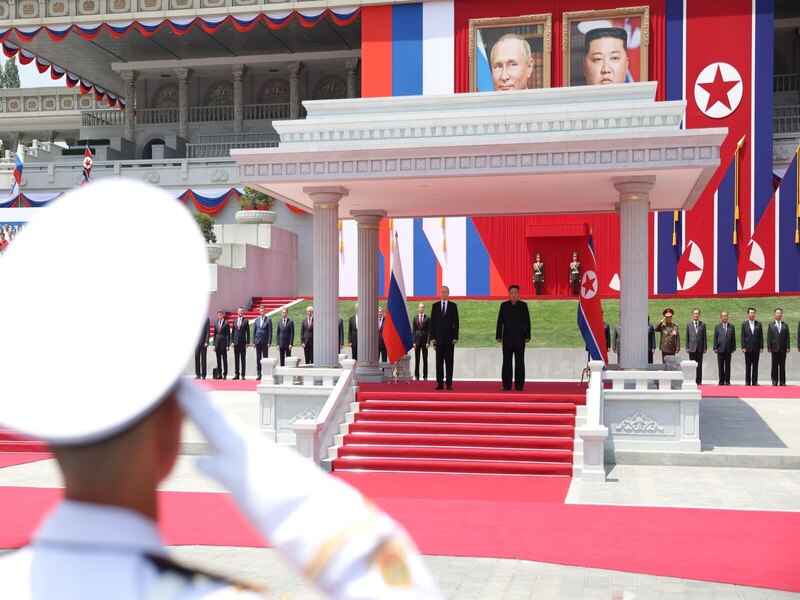
North Korea and Russia: A Growing Military Alliance with Global Implications
As Russia and North Korea deepen their military alliance, the threat spans from Kyiv to the Korean Peninsula. To meet this global challenge, NATO and South Korea must strengthen defence ties and industrial cooperation.
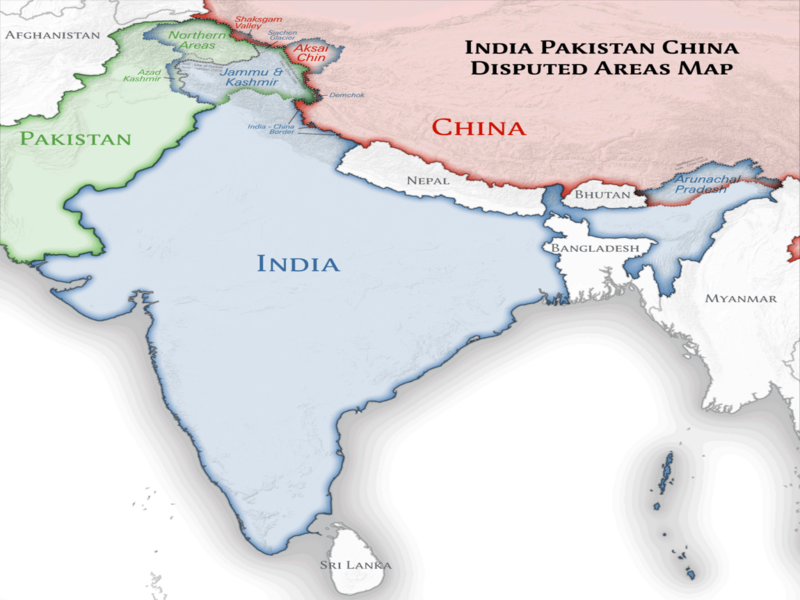
The India Imperative: Navigating the Pakistan Crisis and Indo-Pacific Power Shifts
The escalating crisis between India and Pakistan highlights the urgent need for Western governments to reassess their strategic posture in South Asia. India’s growing geopolitical weight makes it an indispensable partner in counterbalancing authoritarian powers in the Indo-Pacific which seek to change borders through force. The West must prioritize a pragmatic and durable alignment with India to promote regional stability, deter future aggression, and reinforce a rules-based international order.
The Centre Holds: What NATO Can Learn from South Korea’s Democratic Crisis
Last December, in a bizarre move, the former president of South Korea Yoon Suk Yeol declared martial law. Speculation abounded as to why he did so. The BBC reported, after interviewing members of his inner circle, that Yoon Suk Yeol was driven by an urge to win, and viewed the South Korean opposition leader, Lee Read More…
Three Russian Threats and How Canada Can Prepare for Them
While Canada might seem an unlikely target of direct threats from the Russian Federation, its engagement in global affairs and commitments to human rights and democracy inevitably put it at odds with Russia’s vision of the world order, drawing it into conflict with Russia’s revisionist foreign policy. With the Trump Administration pursuing an apparent rapprochement Read More…
Special Report: Mass Competition, China and Russia’s Maritime Autonomous Systems
This is the second installment of the two part series on Maritime Autonomous Systems. See Part One, Special Report: The MAS Gap, Canada Falls Behind as Allies Adopt Maritime Autonomous Systems. The rapid development and deployment of Maritime Autonomous Systems (MAS) are transforming global maritime security. Canada is lagging behind its allies, partners, adversaries, and Read More…
Navigating Turbulent Waters: The Canada-India Rift and Its Implications for Trade, Security, and the Canadian Economy
Diplomatic relations between India and Canada, long characterized by shared traditions of democracy, pluralism, and strong interpersonal connections have hit rock bottom. This turmoil has sent ripples across critical domains, from trade and security to economic stability. The recent falling out stems from Canadian Prime Minister Justin Trudeau’s assertion of “credible intelligence” linking the Indian Read More…
Special Report: The MAS Gap, Canada Falls Behind as Allies Adopt Maritime Autonomous Systems
This is Part One of a two part series on maritime autonomous systems. Introduction As the geopolitical landscape becomes increasingly complex, with rising global competition and evolving security threats, Canada must take decisive steps to enhance its maritime capabilities by adopting Maritime Autonomous Systems (MAS). While our allies, including the United States, France, and NATO Read More…