In this article, Baichao Chen explores Canada’s opportunity to expand its position in Asia via the export of energy.
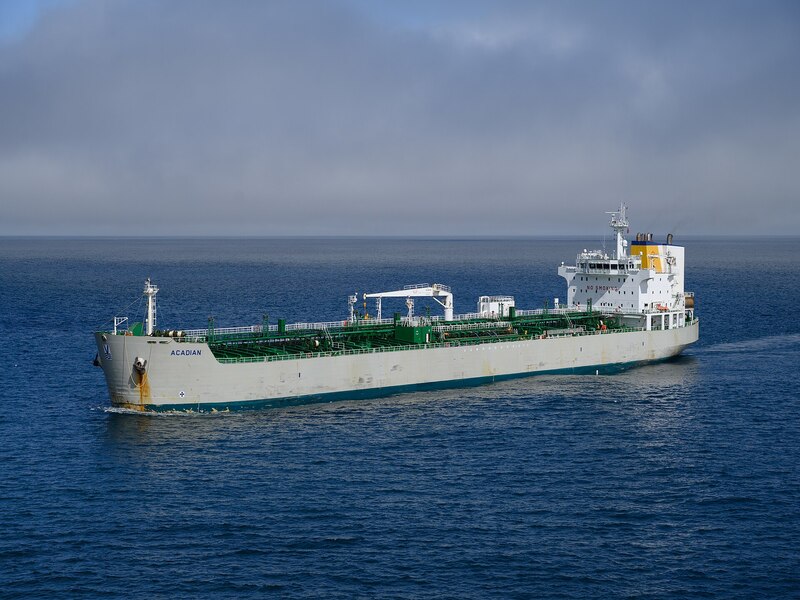
In this article, Baichao Chen explores Canada’s opportunity to expand its position in Asia via the export of energy.
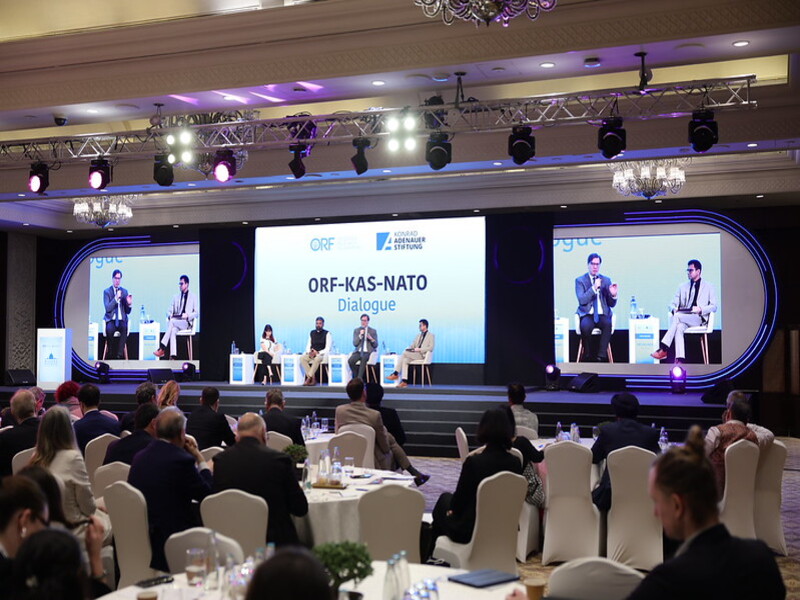
NATO’s recent parliamentary visit to India signals growing interest in deeper ties with a rising Indo-Pacific power. Anastasia Crook examines the opportunities and challenges shaping the NATO-India relationship, and how to build a practical, interest-based partnership without pressing India to pick a side.
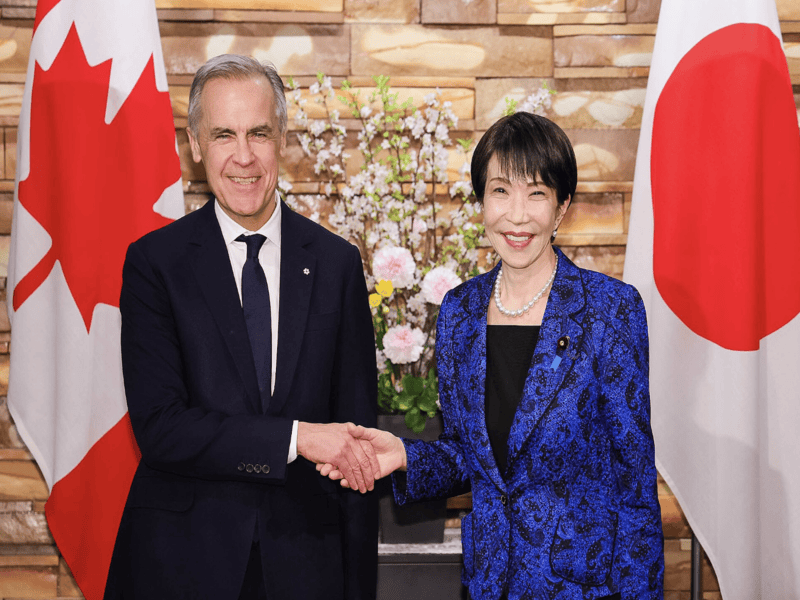
Canada’s shift to the Indo-Pacific for trade, economic, and defence opportunities is a strategic pivot away from the United States to create key partnerships and establish diplomatic ties. This also highlights an avenue for Canada to reaffirm its commitment to the broader values and principles represented by the Women, Peace, and Security (WPS) agenda, where the US appears to have abandoned the cause. Isabelle Zhu argues that in this new geopolitical landscape, Canada can leverage its soft power and emerge as an engaged and dependable ally from security and defence to trade and energy, but also in principles and values, which contributes positively to Canada’s normative reputation and international visibility.
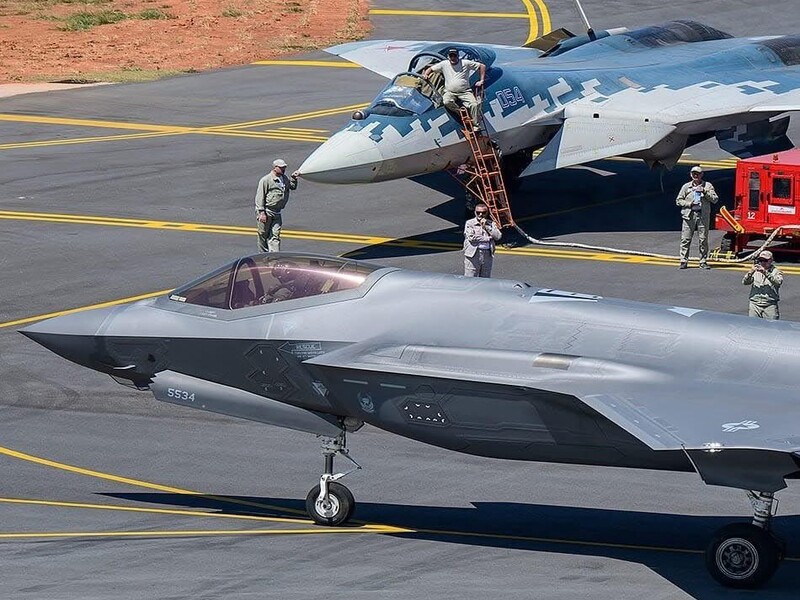
Through its choice of defence imports, India has long positioned itself between West and East. Vivek Sapru argues that the formal offering of the F-35 as an export platform for the Indian Air Force would serve both New Delhi and NATO’s interests by strengthening defence ties, improving deterrence towards Beijing and by potentially weaning India off Russian imports.

Where are the Pacific Islands in Canada’s Indo-Pacific Strategy? In his latest article, Joel Sawyer examines Canada’s Pacific Islands approach, highlighting the region’s central importance to geopolitical competition, food security, and as an potential source of climate change-induced insecurity.
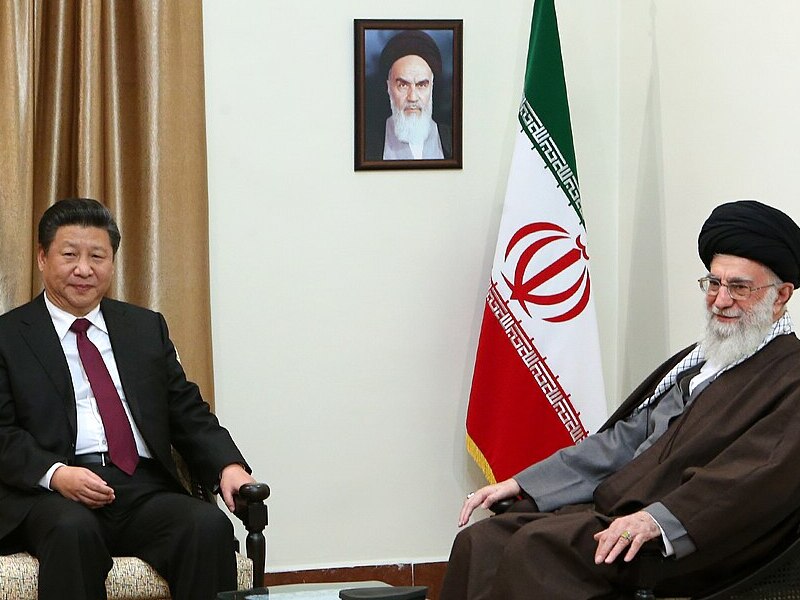
How is the Iran war reshaping China’s strategic calculations toward Taiwan? Nguyen Bao Han Tran examines how the conflict is reinforcing two competing lessons for Beijing: weaker actors can impose serious costs through asymmetric drone warfare, while prolonged U.S. military engagement elsewhere may strain allied deterrence in the Indo-Pacific. As Middle Eastern and Asian security dynamics become increasingly interconnected, this article argues that China may become more cautious about full-scale invasion while finding blockade, gray-zone coercion, and other strategies below the threshold of war increasingly attractive.
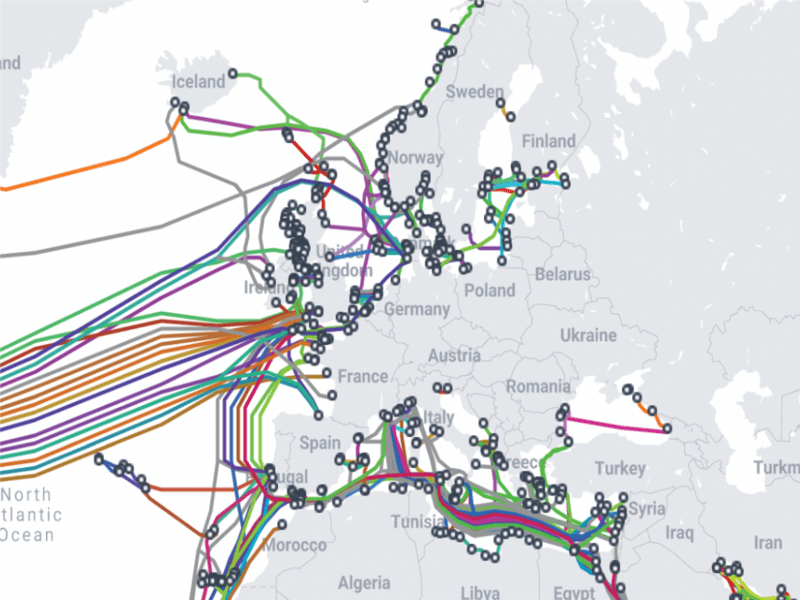
Narayan Srivastava explores how the weaponization of subsea connectivity threatens the backbone of the global economy and cloud infrastructure across the Indo-Pacific region.
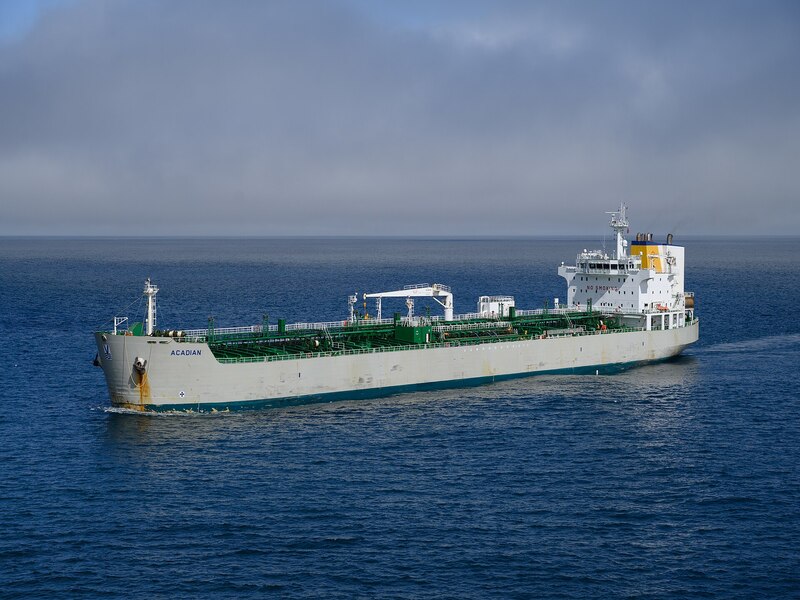
What is Mark Carney’s ‘variable geometry’ strategy, and does it differ significantly from previous concepts of Canadian foreign policy? In this piece, Joel Sawyer (Indo-Pacific and NATO Junior Research Fellow) analyzes continuity and change in Canada’s Indo-Pacific engagement across the current decade, what variable geometry offers, and the challenge posed by worsening global economic conditions.
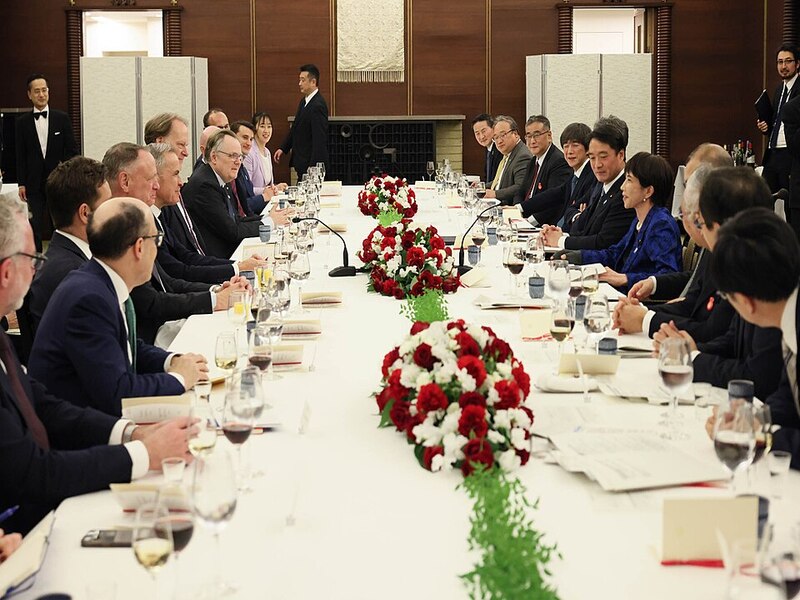
In his latest piece, Narayan Srivistava argues that Carney’s Indo-Pacific tour was a deliberate push to diversify Canada’s partnerships, improve ties with both developing and developed countries in Asia, and integrate Canada more securely inside the economic and geopolitical networks shaping the region’s future.
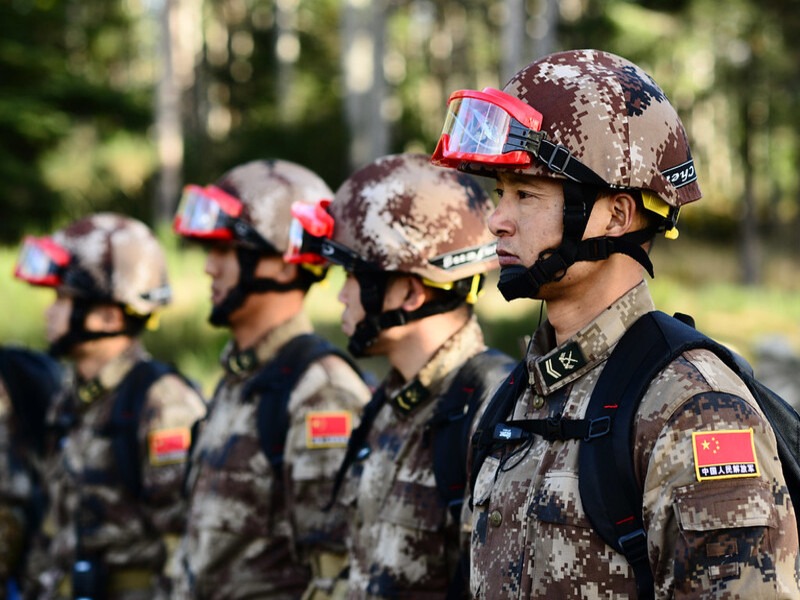
How should NATO respond to growing strategic links between the Taiwan Strait and the Euro-Atlantic theatre? In this article, Nguyen Bao Han Tran examines China’s calibrated military pressure on Taiwan and argues that NATO must prepare for the indirect consequences of a Taiwan contingency, from defence-industrial strain to cross-regional deterrence challenges.