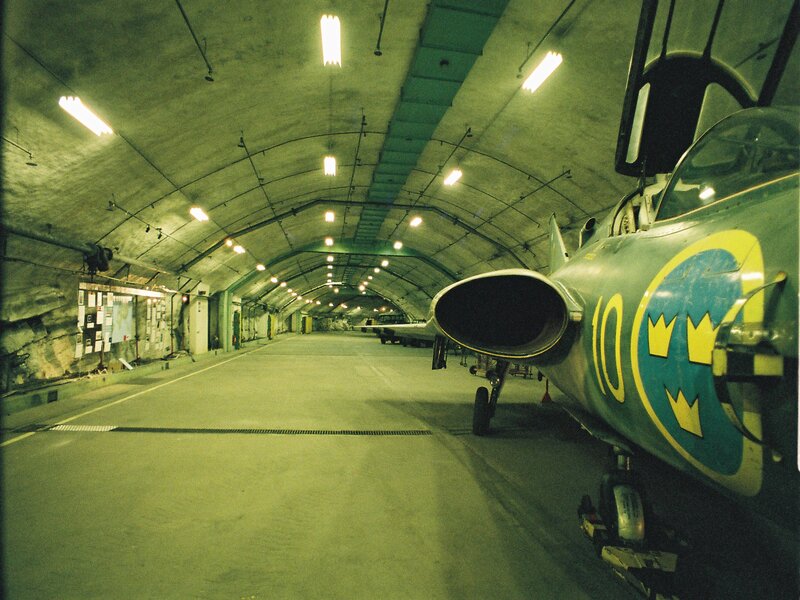
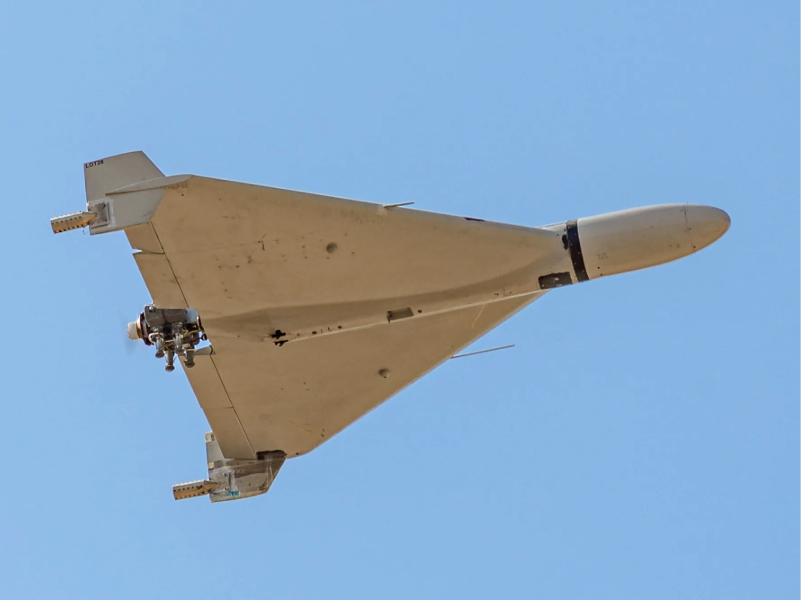
In recent months, there has been a growing number of incursions of NATO airspace by Russian drones. These drone incursions constitute an escalation in Russia’s hybrid warfare against Europe, which has for years sought to erode the NATO alliance, disrupt Eastern European states, and most recently interfere with the continent’s support for Ukraine. For Canada, this drastic uptick in grey-zone aggression should not be taken lightly, as it displays Moscow’s willingness to upset European security.
4. Programs
placeholder for programs
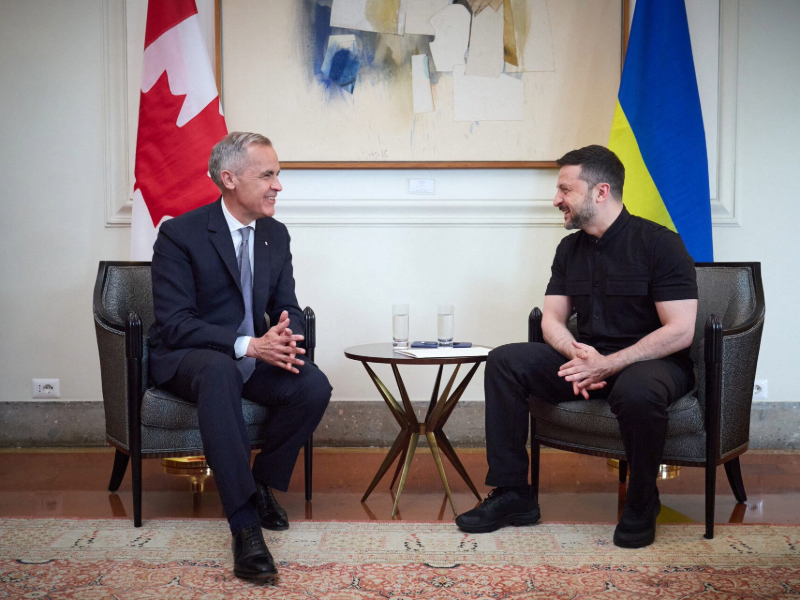
Canada’s $200 million aid package to Ukraine: Geopolitical and Domestic Implications
Canada’s $200 million contribution to NATO’s Ukraine arms program highlights a growing commitment to deterrence amid shifting alliance dynamics. This analysis by Emma Zhang examines the geopolitical calculations behind the aid and the trade-offs it entails
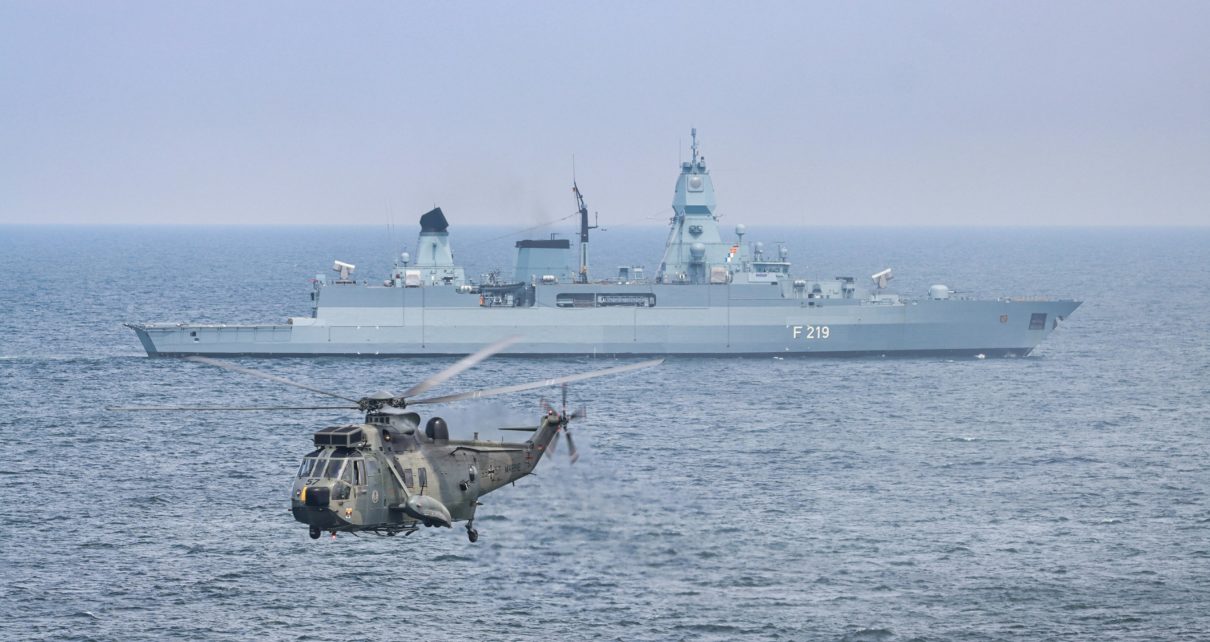
NATO at Sea and Canada’s Trade Lifelines
As Canada explores ways to diversify its trade partners and deepen ties with Europe, more of daily life runs across the big blue Atlantic. Being a trading nation bordered by three oceans and entwined in long supply chains, the reliability of sea lines is essential to Canadian trade vitality. Roughly 80% of world trade by volume moves by sea, which means reliability of marine trade Read More…
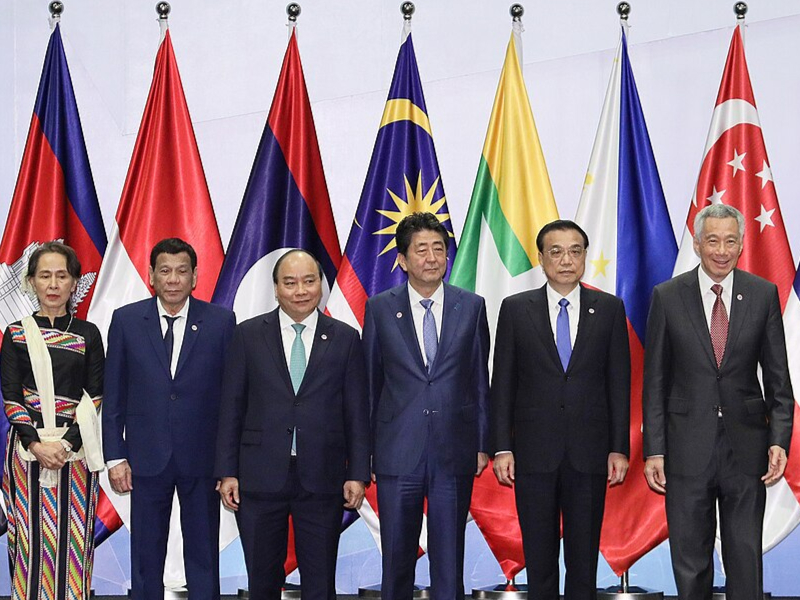
Coalitions of the Willing: Minilateralism and Maritime Security in the Indo-Pacific
Why is minilateralism viewed as the normative security model by states in the Indo-Pacific? What challenges can multilateralism face within the region, and how can minilateralism circumvent them? In this article, Karissa Cruz highlights why the postcolonial context from which much of the region emerged can create limits for NATO-style security cooperation, and why minilateralism has emerged as the primary framework.
What Canada Can Learn About the Whole-of-Society Approach to Civil Defence
In November 2025, the Canadian Armed Forces (CAF) unveiled a plan for expanding the Supplementary Reserve force from 4,384 personnel to 300,000. In doing so, the CAF aims to create a civil defence corps out of the Supplementary Reserve. The Supplementary Reserve is distinct from the larger Primary Reserve, which is made up of part-time Read More…
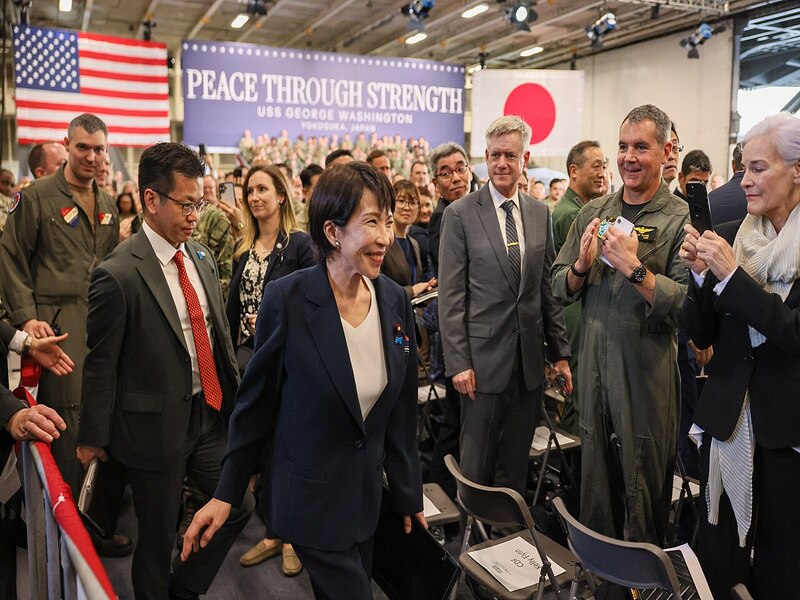
The New Japan: Navigating Nationalist Politics and its Global Implications
Narayan Srivastava examines Japan’s sharp rightward turn and what it means for NATO and Indo-Pacific stability. As Japan’s long-standing political restraint gives way to nationalism and strategic assertiveness, Tokyo is reshaping regional deterrence, alliance politics, and debates over democracy and security. This article explores how a more polarized Japan strengthens collective defence while also introducing new risks of escalation in international security raising questions for NATO partners and Canada as they navigate an increasingly volatile Indo-Pacific order.
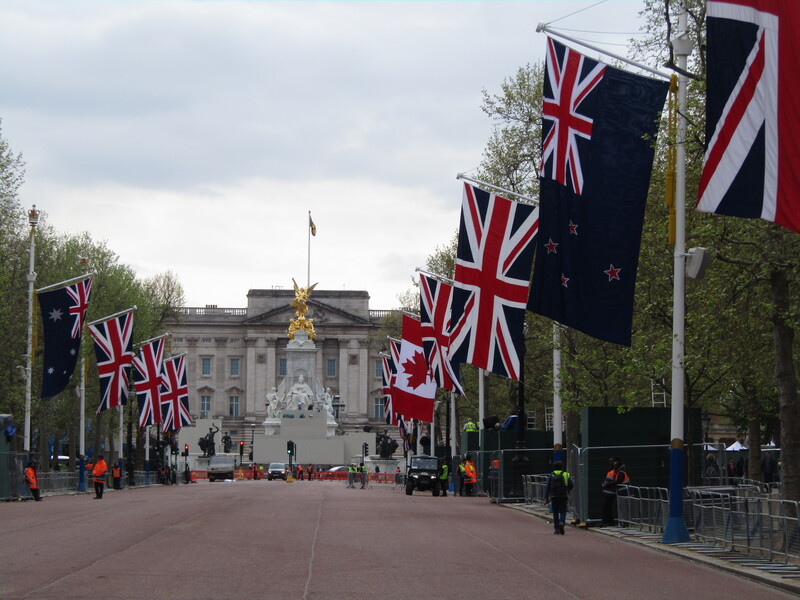
Should CANZUK be a Goal for Canada?
Canada finds itself in an era of security challenges posed not only by traditional rivals, but also by its neighbour and greatest partner. The risks to its economic stability from both internal and external trials include failures to meet economic challenges caused by the 2015 oil crisis, COVID-19, and renewed European crises, all of which threaten to undermine Read More…
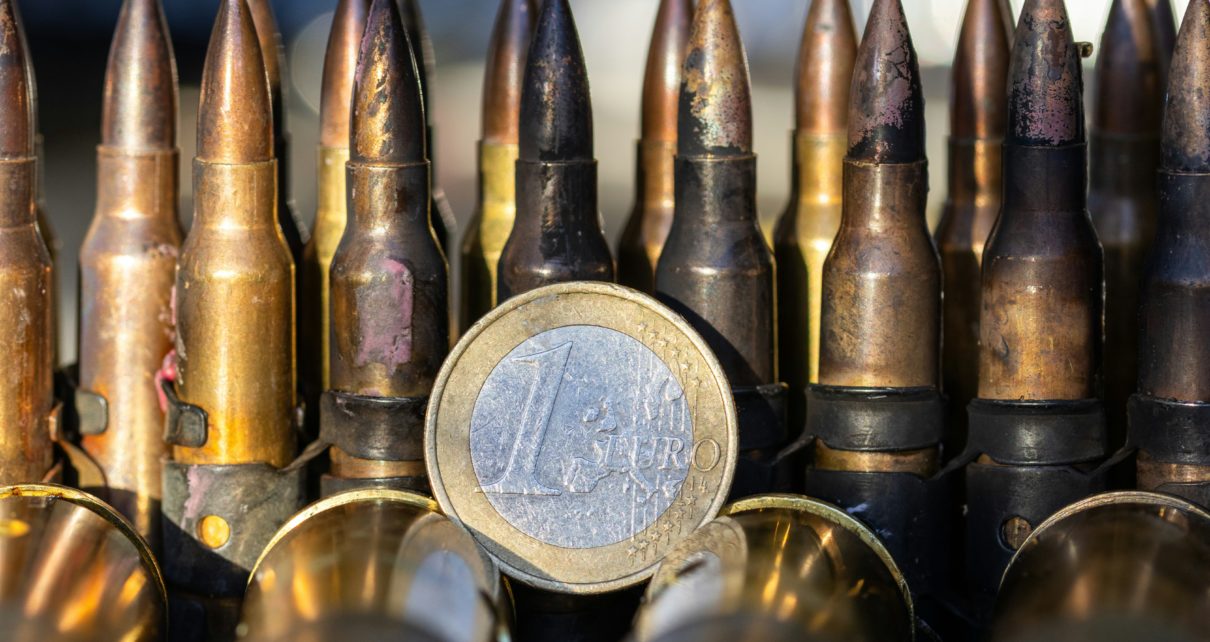
Do Indices Decide Defence Financing More Than Laws Do?
In light of increased allied defence spending targets, multi-year order books have essentially been made. There are projections for increased spending on security and civil-resilience which include cybersecurity for hospitals and ports, sensor networks for power and transport infrastructure, secure communications for emergency services, demining used in reconstruction, physical protection of critical sites, and instruments that underpin modern defence. NATO has essentially set out a demand signal Read More…
The Economics of Maritime Risk and its Impact on Prices
The London market’s Joint War Committee (JWC), a highly influential advisory group of market practitioners, designates the Listed Areas or areas with “increased risk of war-related perils.” Voyages through Listed Areas must be notified to hull insurance underwriters by shipowners which ultimately triggers a negotiation for an additional premium (AP) for war risk coverage, usually quoted as a % of hull value for a 7-day period. Faced with Read More…
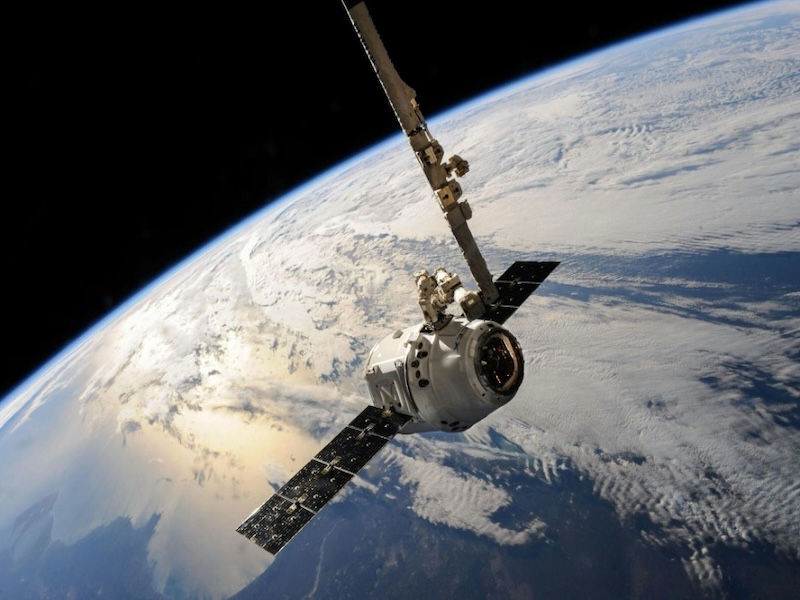
Canada’s Arctic Surveillance at Risk, Are Space Capabilities Enough to Defend Sovereignty?
The Arctic, a remote and expansive region, is heavily reliant on satellite surveillance to maintain domain awareness. As climate change accelerates, increased access to the region, along with its growing strategic and economic value, has drawn heightened interest from states such as Russia and China. The interests and activities of these actors raise security concerns Read More…