Since its inception in 1949, Canada has played an integral role in the North Atlantic Treaty Organization (NATO) and its numerous military and non-military engagements. As a founding member, Canada’s involvement over the past 70 years has varied from troop deployment and training in Europe during much of the Cold War, to activity abroad in places like Afghanistan and Libya. The articles in the NATO and Canada program examine NATO’s operational history and Canada’s role from a multitude of perspectives. The NATO Association of Canada aims to supply Canadians with a greater insight into the inner workings of this long-standing alliance and its Canadian contributions.
Rachel Potter analyzes the geopolitical fallout of U.S. pressure on Greenland, arguing that it reveals a deeper fragility within NATO and raises a critical question for Canada: can alliance guarantees still be trusted when power begins to override restraint?
Following the American intervention in Venezuela, Jonah Moffatt assesses the “Trump Corollary” outlined in the 2025 National Security Strategy, and what this hemispheric vison of security means for the long-contested Northwest Passage. He argues that through diplomatic coordination with its Nordic allies, Canada can utilize the forum and frameworks of NATO to protect its national interests while emerging as a leader of multilateralism in a time of uncertainty.
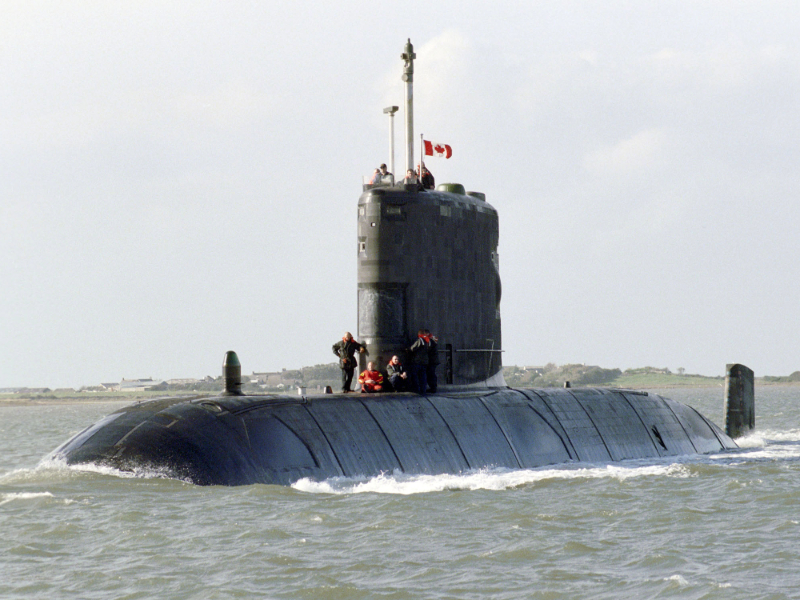
Canada’s $60B+ Canadian Patrol Submarine Project marks a turning point in Arctic defence and strategic autonomy. This piece coauthored by Emma Zhang and Sanam Singh examines whether the procurement can restore under-ice capability and deliver long-term industrial and geopolitical returns.
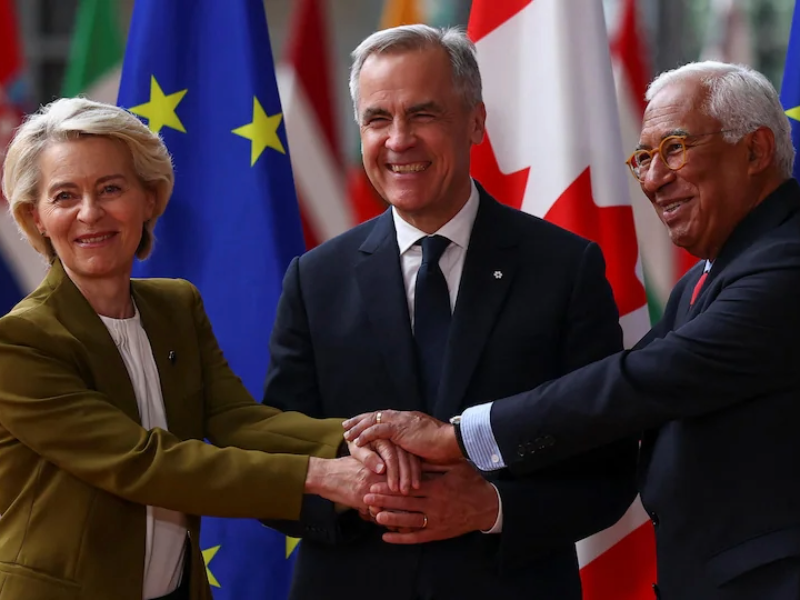
By joining the EU’s €150-billion SAFE program, Canada is positioning itself closer to Europe’s defence-industrial strategy and recalibrating its long-standing reliance on the United States. In this piece, Sanam Singh examines what this shift means for Canada’s alliances, procurement choices, and long-term strategic autonomy.
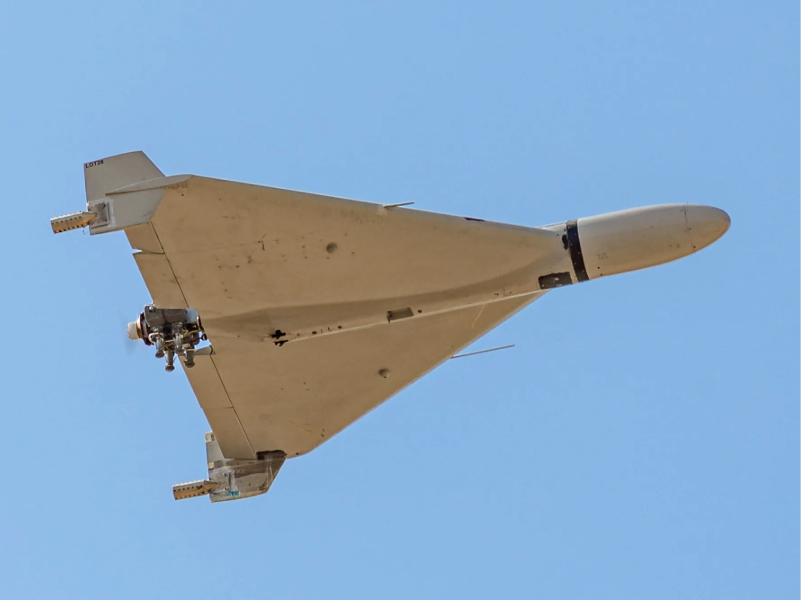
In recent months, there has been a growing number of incursions of NATO airspace by Russian drones. These drone incursions constitute an escalation in Russia’s hybrid warfare against Europe, which has for years sought to erode the NATO alliance, disrupt Eastern European states, and most recently interfere with the continent’s support for Ukraine. For Canada, this drastic uptick in grey-zone aggression should not be taken lightly, as it displays Moscow’s willingness to upset European security.
Canada’s $200 million contribution to NATO’s Ukraine arms program highlights a growing commitment to deterrence amid shifting alliance dynamics. This analysis by Emma Zhang examines the geopolitical calculations behind the aid and the trade-offs it entails
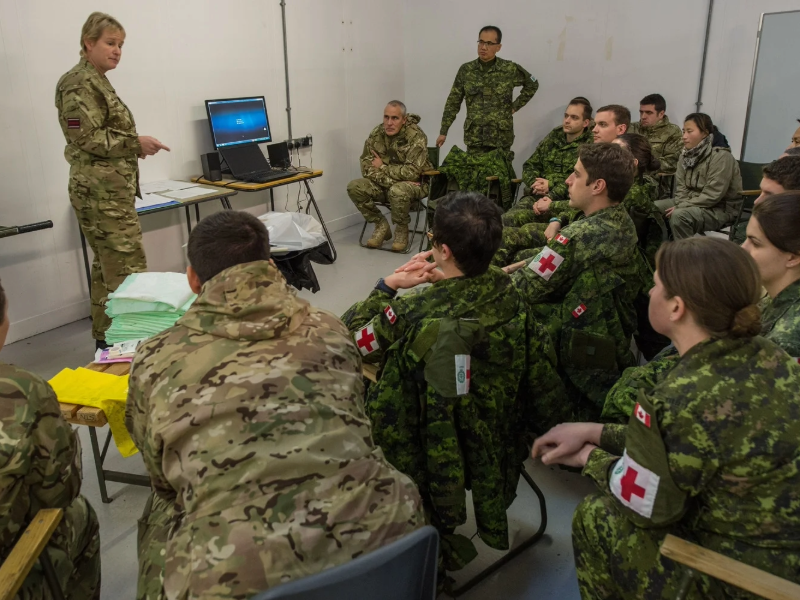
In this article, Sanam Singh argues that NATO’s medical system anchors every mission with Canada’s leadership enhancing its strength on the ground and in the air. The piece shows how Canada’s expertise positions NATO to confront the growing threat of cyberattacks targeting military healthcare.
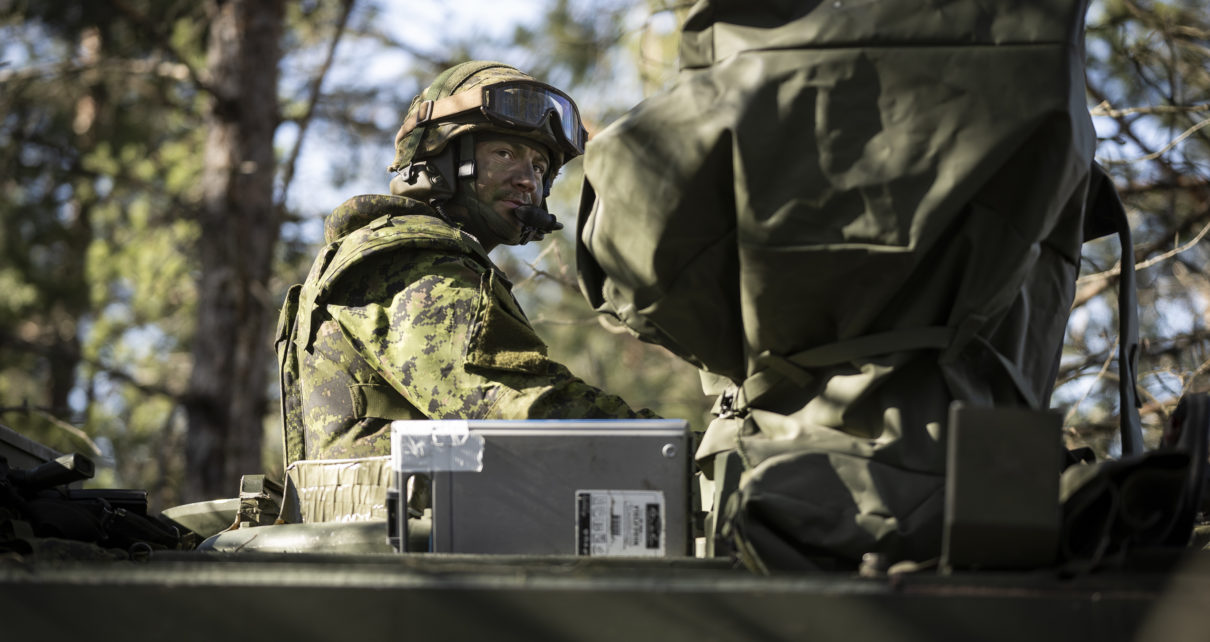
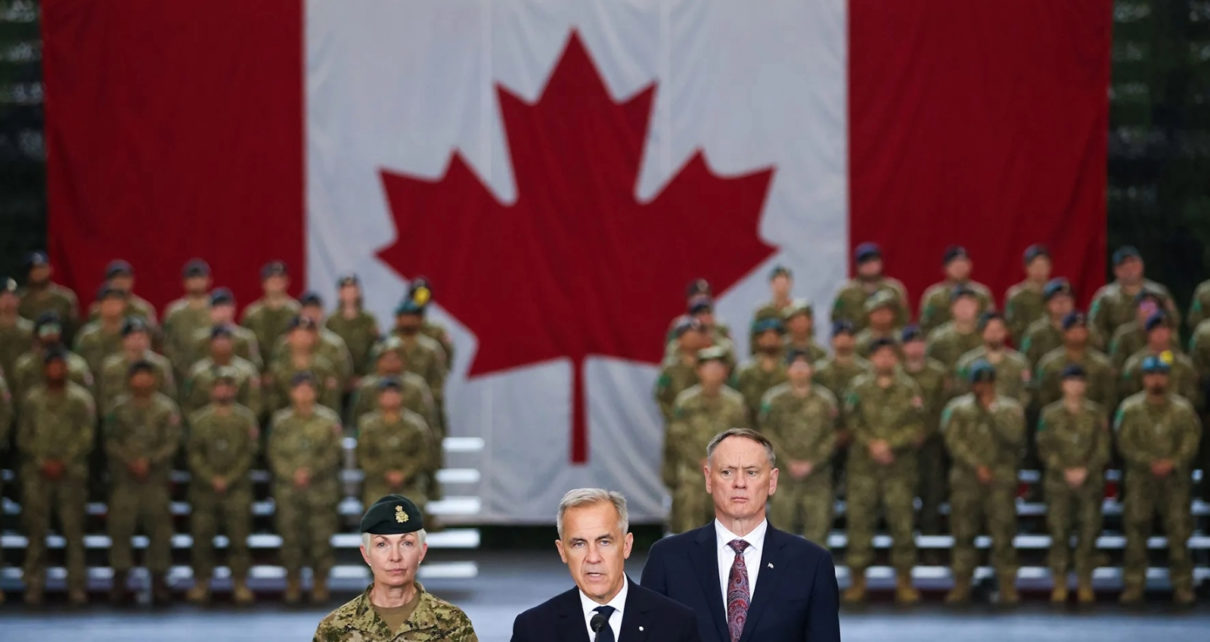
Eight years after the start of Canada’s mission to Latvia, Ottawa continues to increase its commitment to the NATO multinational formation. Arguably, this is the most important component of Canada’s defence policy and a key part of the country’s foreign policy. The enhanced forward presence brigade led by Canada is one of several formations which serve to deter Russian aggression. These ‘tripwire forces’ aim to ensure that in the event of a Russian attack, many member states would be involved, guaranteeing a general response from the alliance. Beyond this, Canada’s leadership serves as a strong example of the country’s value to the alliance and reassures allies that they would not be abandoned in the event of war.
Alors que l’OTAN concentre son attention sur les fronts oriental et indo-pacifique, le Canada a l’occasion de redéfinir son rôle sur un flanc sud souvent négligé. Cet article soutient qu’Ottawa peut renforcer la résilience nord-africaine par l’innovation plutôt que par l’intervention, en mobilisant DIANA Halifax et en renforçant les capacités pour des projets pilotes de lutte anti-drones et de surveillance maritime en Tunisie et en Mauritanie.
Canada’s ambitious pledge to raise defence spending to 5% of GDP by 2035 marks a decisive shift in national priorities. This analysis by Emma Zhang examines whether the Carney government can strike a balance between defence spending and social welfare, and turn defence investment into sustainable economic growth.