Canada’s NATO Podcasts: Exclusive Interview with Lira Loloci
Posted onAuthorMagdalena SurmaComments Off on Canada’s NATO Podcasts: Exclusive Interview with Lira Loloci
We’re back!
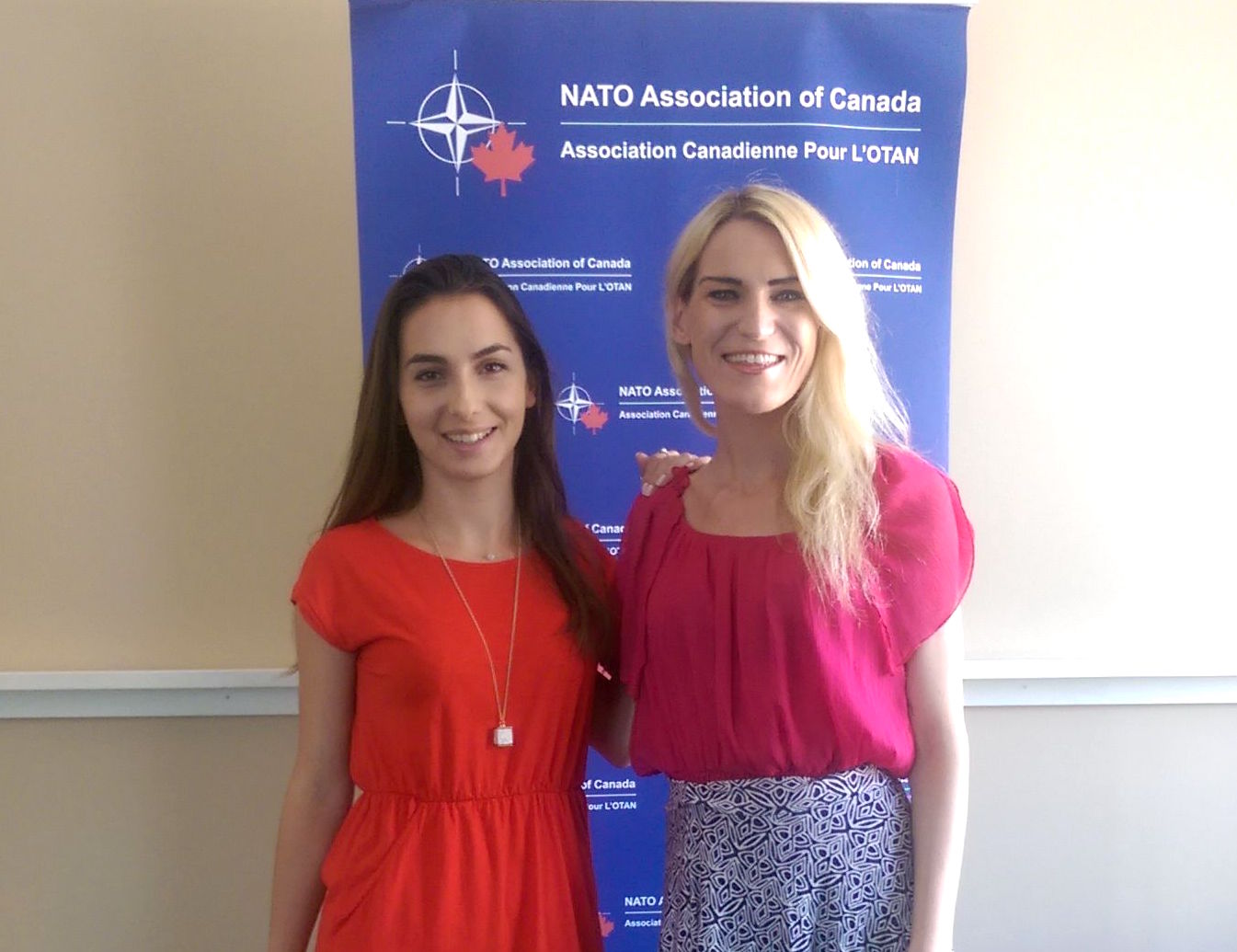
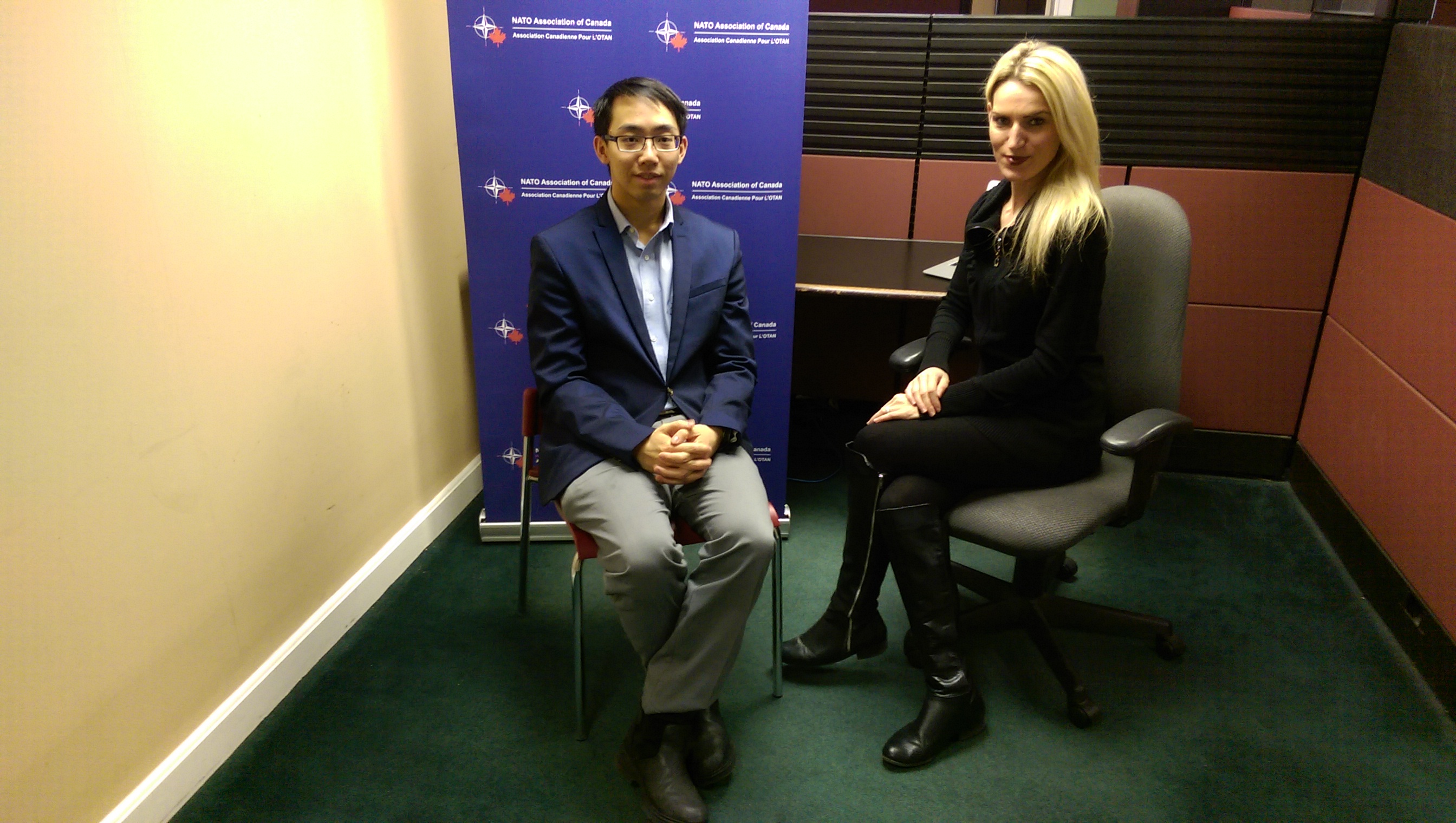
Listen as Magdalena Surma interviews Lira Loloci. She is the Editor and Mastermind of the Global Horizons program at the NATO Association of Canada. Lira is completing her undergraduate degree in Economics and minoring in Political Sciences and Social Entrepreneurship at McGill University. Her research interests involve European Politics, transitions from communism, ethnic conflict, economic development and sustainability. She has previously worked with the Ministry of Economy in Albania in the European Integration and Projects division, helping to implement development projects for SMEs funded by the EU.
Listen as Lira Loloci discusses the significance and impact of the Global Horizons Program at the NATO Association of Canada.
Canada’s NATO Podcasts
NATO ASSOCIATION OF CANADA PART I
Next, Lira provides advice to the young professionals and youth listening to this interview today.
Canada’s NATO Podcasts
NATO ASSOCIATION OF CANADA PART II
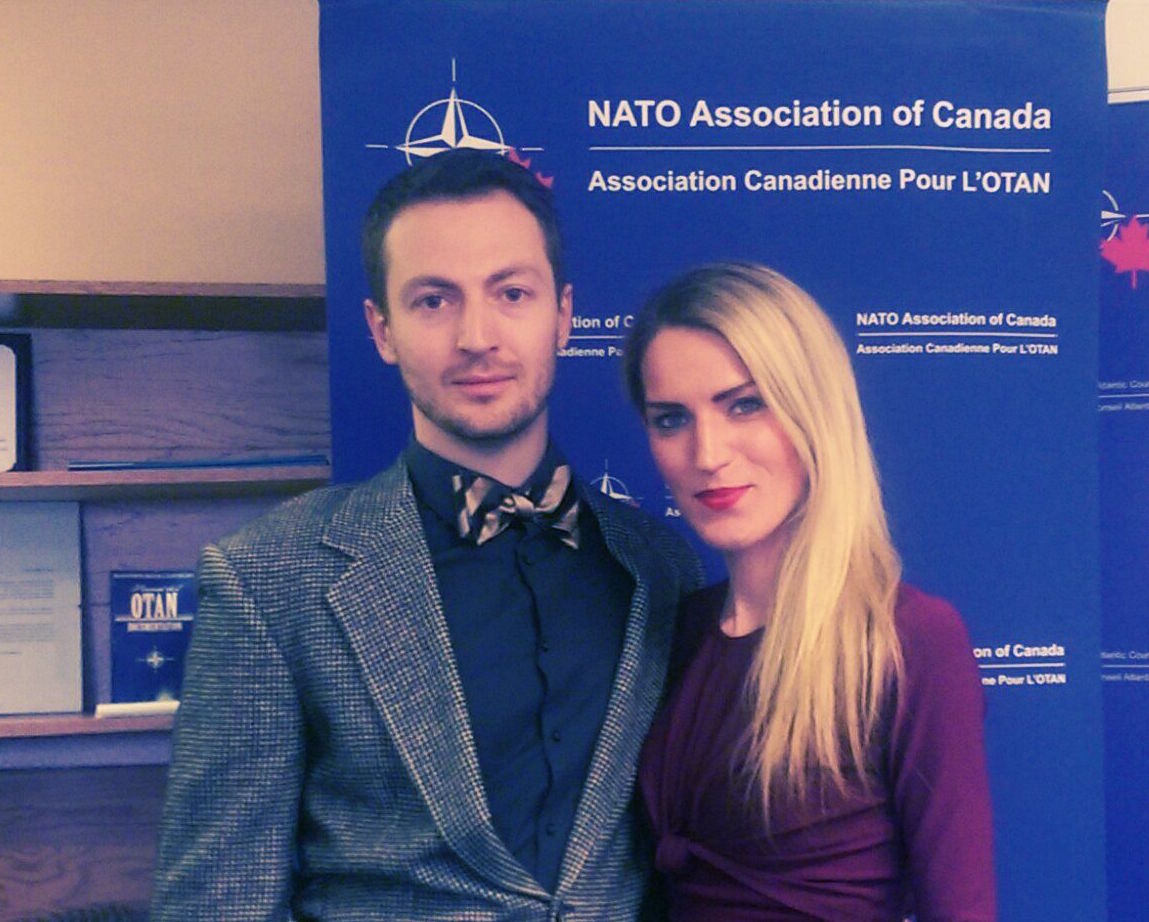
Photo Credit: Claudia Nieroda
Disclaimer: Any views or opinions expressed in articles are solely those of the authors and do not necessarily represent the views of the NATO Association of Canada.
Magdalena Surma is currently Canada's NATO Program Contributor and Outreach Coordinator. Former Program Editor of Global Horizons, Magdalena completed a BA in Legal Studies (Honours) and a Masters in Public Service at the University of Waterloo. She also attended Harvard during two summers, where she completed courses in psychology, government, and law. In addition, she successfully completed Harvard Law School’s Executive Education Program in Negotiation and Leadership. Magdalena is currently completing an LLB through University of London’s International Program. She is passionate about law, government, and charitable non-profit organizations. As an avid researcher, she hopes to extend her research to investigate women in security while examining society, culture, and international relations. In addition, Magdalena is also passionate about international business and economy. She is very excited about being involved with various projects at NATO, specifically engaging youth and society about international affairs. Apart from a love of politics, Magdalena enjoys fine art, ballet, and classical music.
Magdalena Surma is currently Canada's NATO Program Contributor and Outreach Coordinator. Former Program Editor of Global Horizons, Magdalena completed a BA in Legal Studies (Honours) and a Masters in Public Service at the University of Waterloo. She also attended Harvard during two summers, where she completed courses in psychology, government, and law. In addition, she successfully completed Harvard Law School’s Executive Education Program in Negotiation and Leadership. Magdalena is currently completing an LLB through University of London’s International Program. She is passionate about law, government, and charitable non-profit organizations. As an avid researcher, she hopes to extend her research to investigate women in security while examining society, culture, and international relations. In addition, Magdalena is also passionate about international business and economy. She is very excited about being involved with various projects at NATO, specifically engaging youth and society about international affairs. Apart from a love of politics, Magdalena enjoys fine art, ballet, and classical music.