
Canada and France are leading in achieving gender parity and are exemplary nations where women have made a significant impact in the defence sector. Women currently make up approximately 16.6% of the total Regular Force and Primary Reserve members in the Canadian Armed Forces (CAF). Similarly, in France, women make up approximately 16.5% to 17% of active military personnel in the French Armed Forces. These statistics do not account for the number of women in cyberdefence within each Armed Force. Despite these numbers, Canada and France have demonstrated difficulties with recruitment and retention of women in the Armed Forces, in particular women in STEM and cybersecurity. In a report published by the Department of National Defence Canada, the CAF needed 3,673 additional members to reach their target for general recruitment. France does not have their numbers public, but they have introduced a new Voluntary National Service program to expand their ranks. While exact statistics of women in the cyber workforce are not published, governments are pivoting to creating recruitment strategies. As dynamics in the geopolitical landscape continue to change, it is clear that modern NATO defence capacity now relies heavily on technological expertise, cybersecurity, and strategic procurement. It is essential and highly recommended for NATO countries to prioritize the recruitment and retention of women, particularly those with STEM backgrounds, to address growing labour shortages in the Armed Forces and strengthen long-term defence resilience. Increasing women’s participation in these sectors will enhance defence and security institutions, and aid NATO partners in defending their sovereignty.
Historical participation demonstrates that women have long contributed to defence in several capacities. In Canada and France, women made prominent contributions in World War I and II. Such contributions include manufacturing, assembling, and securing defence assets, as well as codebreaking. Today, that legacy in defence continues as women are taking up high-ranking positions within military institutions. What once was considered to be a role society deemed acceptable only for men, is now a role encouraged for women. While both countries are making significant strides in women’s representation, two modern challenges exist: evolving threats challenging sovereignty, and recruitment and retention of women. Contemporary institutional barriers continue to limit female integration into STEM and cybersecurity roles. This creates a critical paradox; despite growing security demands, militaries are struggling to recruit from a talent pool in which women lead in cybersecurity. Ultimately, defending against modern threats will require both nations to reconcile this disconnect and find ways to transform female cybersecurity graduates into their leading defence strategists.
Canada and France are highly ranked amongst NATO countries for the percentage of women in the force, however, they differ in the systems used. On one hand, Canada emphasizes inclusive personnel recruitment and modernization of its armed forces, as the CAF amended its uniform policies to be inclusive to the needs of women, specifically designing a combat uniform that fits their bodies. France, on the other hand, operates through a more centralized state-driven defence model prioritizing procurement systems. Women make up 27% of the Defence Procurement Agency’s project managers and engineers, who are responsible for key projects. The French Defence Procurement Agency is actively looking to increase gender equality within the agency. Despite this disparity, the overlapping challenge is retention as the military experiences a shortage of women with technical skills. Both countries have high percentages of women in STEM backgrounds, yet, the Armed Forces remain short-staffed in these areas. In both Canada and France women are deterred from joining and remaining in the armed forces due to strict basic requirements, lack of family support, the dangers of combat service, toxic work culture, lack of mental health support and ongoing misconduct. However,recruitment shortages affect all personnel, including the execution of defence operation plans and burnout. Women remain underrepresented in the Armed Force due to institutional barriers, as governments are failing to access a major pool of qualified talent at a time of increasing strategic competition. Inability to address issues such as lack of family support, toxic work culture, and misconduct actively deters women from entering the defence workforce.
As Canada and France aim to address their labour shortages, efforts must be taken to recruit and retain women with distinctive knowledge backgrounds. According to Stats Canada, the number of women enrolled in STEM programs from 2010 to 2023 rose to 62%. Yet, there is a gap in the workforce. To address this gap, the Government of Canada has created, funded and supported a wide array of programs that focus on supporting women in STEM fields including cyber security and defence. The Cybersecurity Research Lab (CRL) at the Ted Rogers School of Management has partnered with the Information Communications Technology Council of Canada (ICTC) and the Cyber Security Cooperation Program in hopes of encouraging more women and supporting their endeavour in this sector. In France, women accounted for approximately 55.8% of all higher education graduates across all fields, but it was reported that less than 17% practiced in their field, including STEM. The French Government aimed to strengthen women’s participation and education in STEM by. Women are underrepresented in this sector simply because such fields like defence and security are often not careers encouraged. It is clear, sovereign defence today goes beyond defending a physical frontline and instead encompasses threats against assets in critical infrastructure, including cybersecurity and other technological warfare. Thus, the Canadian and French governments’ efforts and significant investment in STEM educational programs provide support in combating these shortages.
To increase women’s participation in defence and security, several countries have become signatories to international agreements and charters such as the Women, Peace, and Security (WPS) agenda, bilateral training, and organizational commitments like the UN report Towards Equal Opportunity for Women in the Defence Sector. While efforts to increase visible representation are underway, this advancement is not occurring at the necessary speed, as issues with retention of personnel persist. Given the shift in geopolitics and the advancement of security threats, NATO must think beyond physical borders when addressing modern security. This includes what equipment is acquired, who is recruited, and what skills are prioritized.
Women played a significant role during a critical period in the defence histories of both Canada and France. As other NATO member states, such as Estonia, work toward achieving gender parity, following the examples set by Canada and France, it is essential to prioritize the recruitment and retention of women in STEM.To address growing labour shortages and strengthen long-term defence resilience, Canada and France must address misconduct, lack of family support and other institutional barriers that prevent the retention of personnel. Since both countries have a high rate of women graduating from cybersecurity programs, the Government should introduce bridging programs similar to those used by the Ontario Government to address the nurses’ shortage during COVID-19. Modern defence capability is increasingly determined by access to technical human capital, making workforce composition a core element of national security strategy. Thus, increasing women’s participation in these sectors will enhance the Armed Forces and improve NATO member states’ capacity to safeguard their sovereignty.
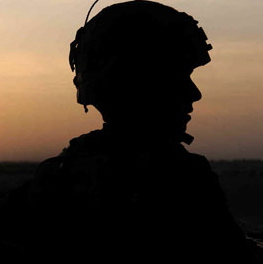
Photo: Women in the Canadian Armed Forces (2025). Source: Department of National Defence.
Disclaimer: Any views or opinions expressed in articles are solely those of the authors and do not necessarily represent the views of the NATO Association of Canada.