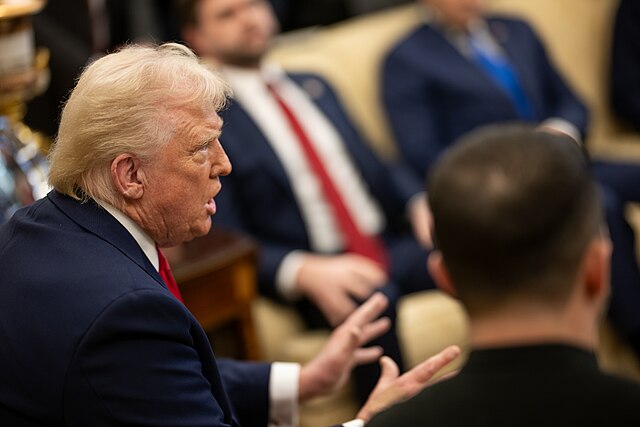
In this article, Kaya Dupuis examines how the U.S. seizure of Venezuelan oil reserves in January 2026 creates an unprecedented opportunity for Canada to reshape North American energy dynamics. Can Canada move fast enough to capitalize on Venezuela’s decade-long recovery timeline and secure its position as the continent’s energy supplier before the window closes?
Tag: United States
Le plan de Donald Trump pour l’Ukraine : percée diplomatique ou fantasme géopolitique ?
La réélection de Donald Trump en novembre 2024 a relancé le débat sur l’avenir de la guerre russo-ukrainienne et, plus crucial encore, sur la cohérence de l’alliance atlantique. À peine investi, Trump a fait fuiter début novembre 2025 un plan de paix en 28 points pour l’Ukraine, inspiré d’un document russe et négocié en secret Read More…
Treating Freshwater as Strategic Capital For Canada’s Agri-food Reliability
Water is becoming one of the hard limits on how much food the world can reliably produce. For Canada and its trading partners, that turns water into a constraint that shapes resilience, trade strategy and security. How Water is Moving Up The Security Agenda Across countries, water is moving from background resource to strategic constraint on economic resilience and stability. Agriculture accounts for roughly 70% of Read More…
Canada Already Entered the Quantum Era: Is it Exposed or Ready for What Comes Next?
An Interview with Brad McInnis Part 1 Brad McInnis is a cybersecurity and cryptographic resilience expert with more than twenty-five years of experience spanning industry, Canadian defence intelligence, the Five Eyes community, U.S. government and defence environments. His work has focused on long term confidentiality, enterprise key management, and large-scale cryptographic modernization for national level systems. He Read More…
The Culture of Distrust: : How AI Disinformation Exploits Polarization and Democracy
The voice on the line sounded like the President of the United States. It carried his cadence, his gravel, even his familiar pauses. But the words were strange. “Save your vote for the November ballot,” it told thousands of citizens in New Hampshire ahead of the 2024 primary. In reality, the call was orchestrated by Read More…
When democracies censor: Alberta’s book ban and its contradiction with NATO’s mission to defend democratic principles
Alberta’s latest directive on books has turned heads nationally. But what does it mean for Canadian security? In this article, author Esha Grewal discusses how Alberta’s book ban is a part of the larger, growing trend of divisive policies among NATO countries that threaten social cohesion.
POWER PLAY IN THE ARCTIC: Part 2 – Dissecting the Arctic’s Power Struggles by State
*This is the second instalment of a six-part series. As each Arctic state strengthens its security and defence capabilities in the High North, there is likewise an overall intensification of geopolitical rivalries, an expansion of coastal states’ territorial and energy ambitions, increasing clashes of interest, and a corresponding potential for instability. Problematically, NATO lacks an Arctic policy, Read More…
Sovereignty and Security in the Indian Ocean: What does the Chagos Deal mean for NATO’s Indo-Pacific Security?
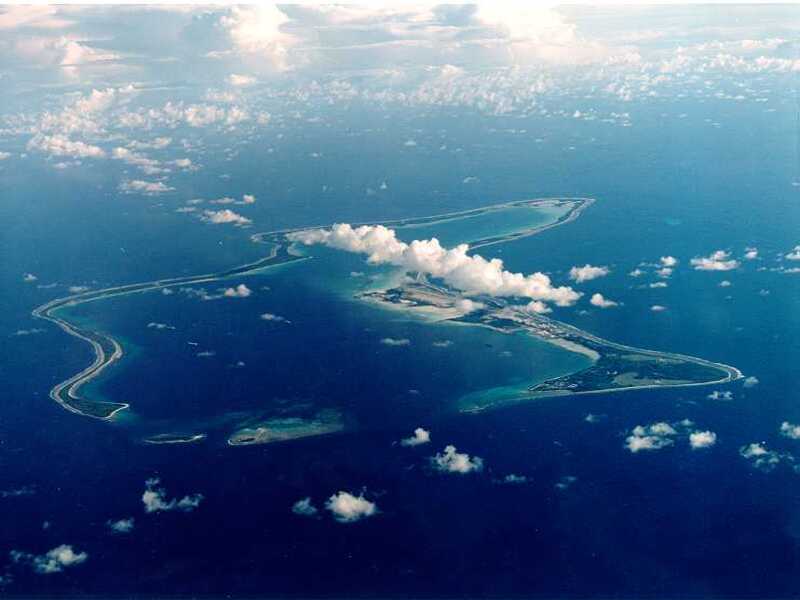
What could Britain’s decision to relinquish sovereignty over a crucial US-UK naval outpost mean for NATO security in the Indo-Pacific? In this article, Angus MacKellar outlines the strategic importance of the British Indian Ocean Territory and considers the risks associated with the controversial handover of the Chagos Archipelago to Mauritius.
Science, Technology, and Strategic Foresight: Strengthening NATO for a Complex Future
This year was a big moment for science and technology (S&T) within NATO. On July 1, 2025, the Alliance designated Steen Søndergaard as its new Chief Scientist, taking over from Dr. Bryan Wells in order to bring a fresh approach to NATO’s S&T efforts. At the 2025 NATO Summit at The Hague, the Allies agreed Read More…
The Authoritarian Drift of Trump’s Second Term
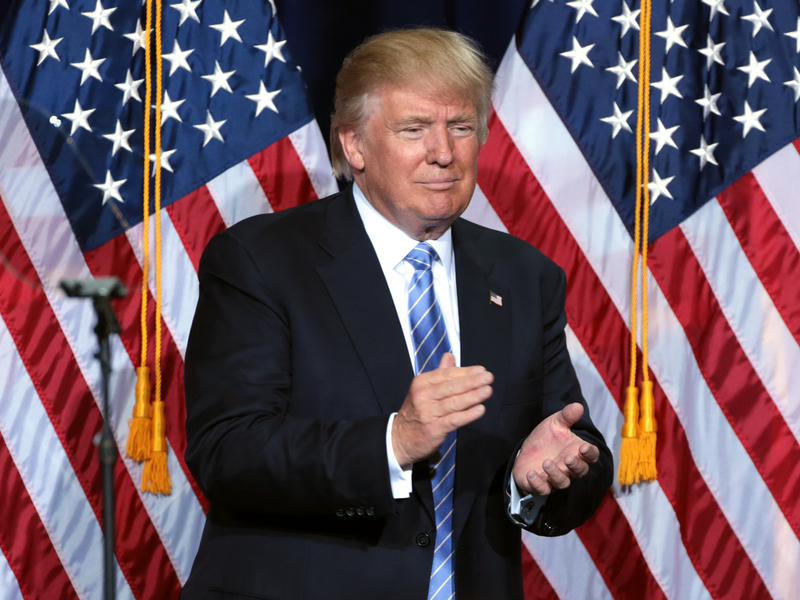
With 142 executive orders signed in just 100 days, President Trump’s second term opened with a rapid consolidation of executive power. The orders targeted such key areas as border enforcement, foreign aid, and commitments to international institutions. Immigration policy quickly emerged as a key instrument of executive overreach. Building on the hardline stance of Donald Read More…