Cyber Security and Emerging Threats

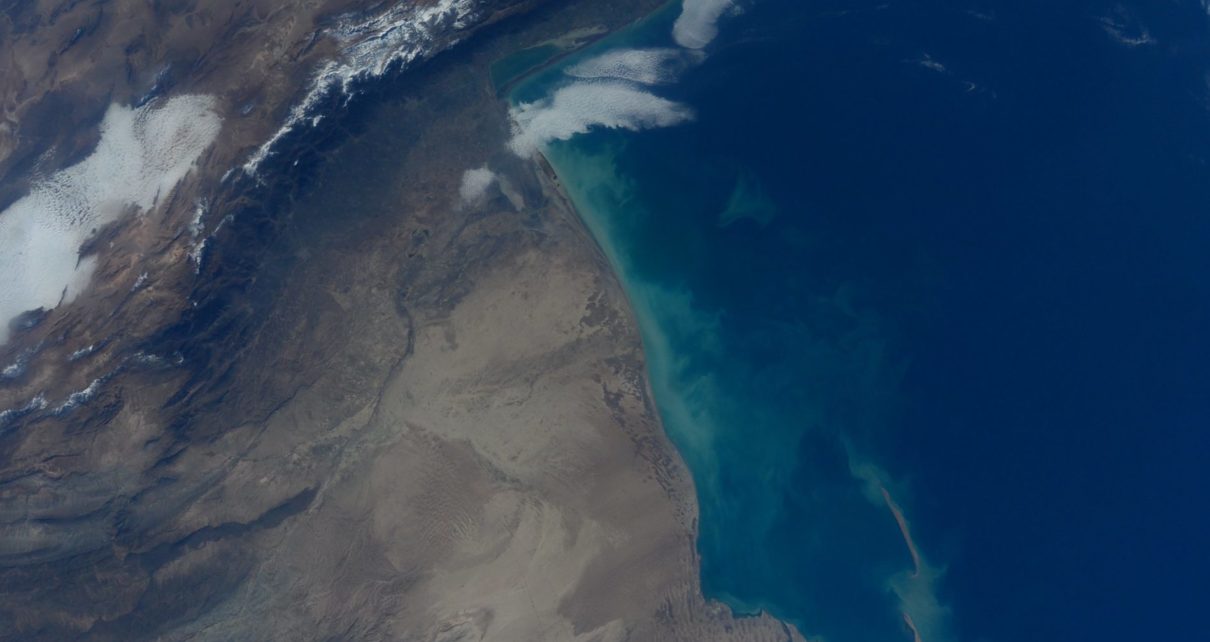
Changing the Currents of Conflict: Oil, Water, and the Flows Reshaping the Middle East

Conflict follows the currents of scarcity, and NATO must navigate a world where the most dangerous battles are fought over what no longer flows freely. These behaviours signal a shift in how conflict will unfold: not only through conventional force, but through the manipulation, withholding, and weaponization of essential resources. This article explores three plausible scenarios – oil dominance, water ascendancy, and a dual‑pressure world – to map how resource hoarding could shape the next generation of conflict in the Middle East and beyond, and what this means for NATO’s strategic posture in the decades ahead.

Cyber Security and Emerging Threats

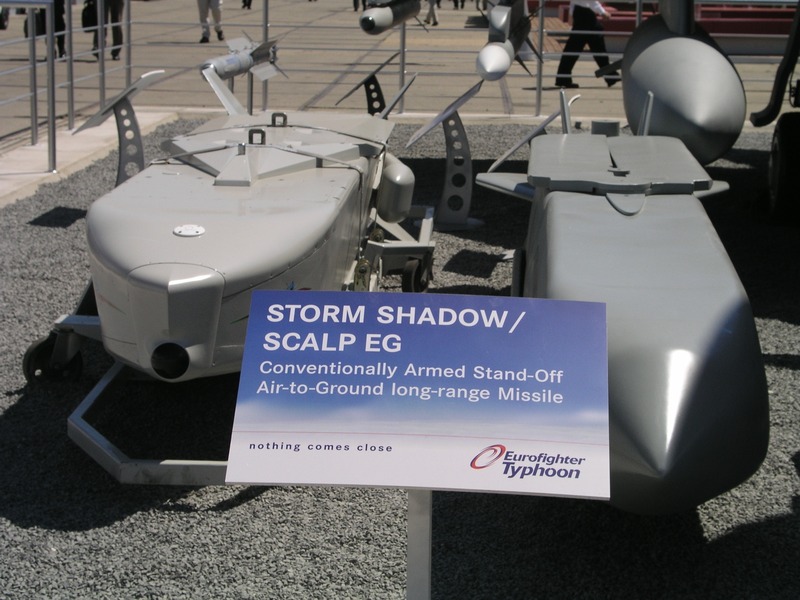
Europe’s Land-Based Intermediate-Range Strike Capability Gap

The post-INF ground game has been moving fast in the past few months with long-term consequences for European security. Having successfully eliminated ground-launched intermediate-range missiles as a whole class of weapons from American and Russian Cold War inventories, the Intermediate-Range Nuclear Forces (INF) Treaty was a cornerstone of European security for so long that it was easy Read More…

Society, Culture, and Security

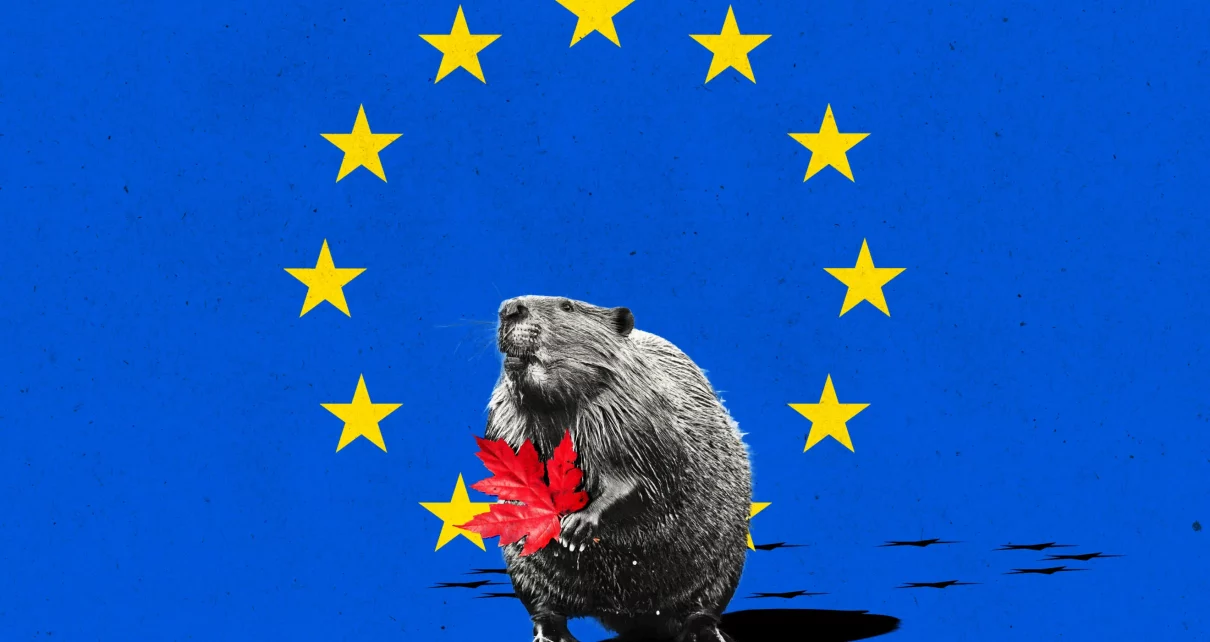
NATO Summit 2025: Canada’s Leadership, Leverage, and Alliance Future

In the weeks leading up to the NATO Summit in The Hague taking place from June  24th–25th, Canada has found itself at the centre of multiple international conversations. Coming off the heels of the G7 summit in Kananaskis, where Prime Minister Mark Carney pledged an extra $2 billion in aid to Ukraine and promised to hit NATO’s 2% defence spending benchmark by Read More…

James Lautens Society, Culture, and Security

Conscription in NATO Countries: Why Do Some Have It and Others Don’t?

In his latest article, James Lautens explores the discussion around military conscription as a means of deterrence in global security. By comparing conscription policies in NATO countries, he outlines the cultural, political, geographic, and historical factors behind conscription policies and argues that, in an increasingly unstable world, Canada should consider all options – including conscription – to strengthen its defences.

Andrew Erskine Indo-Pacific and NATO

On China’s Peacemaking Role in Ukraine, Europe is Tragically Divided Along West and East Lines

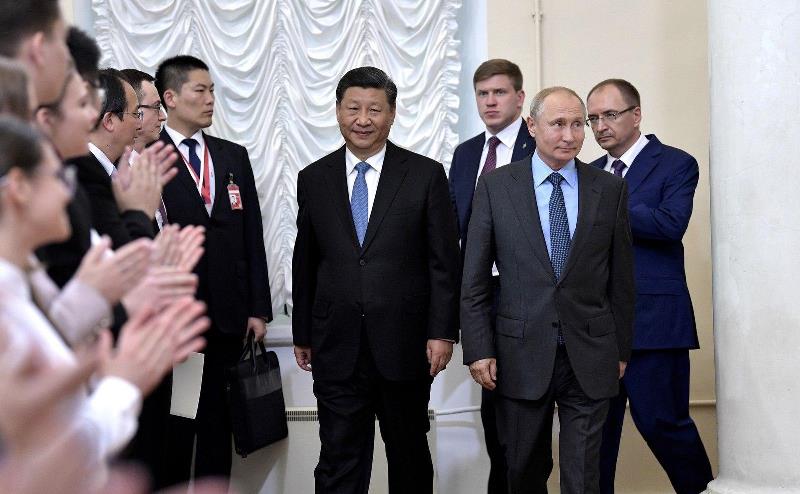
Abstract: In this article, Research Analyst Andrew Erskine assesses how Chinese peacemaking attempts in Ukraine are dividing NATO members along West and East lines. In NATO’s 2022 Strategic Concept, the alliance remarked for the first time on how China posed a “systemic challenge to Euro-Atlantic interests, security, and values.” The document further illustrated how Beijing Read More…

Energy Security

Energy Security is No Longer a Luxury: Canadian and European Perspectives

Energy Security is No Longer a Luxury: Canadian and European Perspectives This event was live broadcast on our YouTube channel, and a recording can be viewed here. This webinar addressed the new geo-economics of energy production and consumption with special attention to Canada, Europe and their roles in global energy markets. The panelists considered the Read More…

Cyber Security and Emerging Threats Intelligence & National Security Jordan McEwen Society, Culture, and Security

Rising Right-wing Extremism at Home and Abroad: A Global Perspective to Canada’s Freedom Convoy Protest

In this article, Jordan McEwen highlights the growth of right-wing extremist violence by looking at the Freedom Convoy Protest earlier this year.