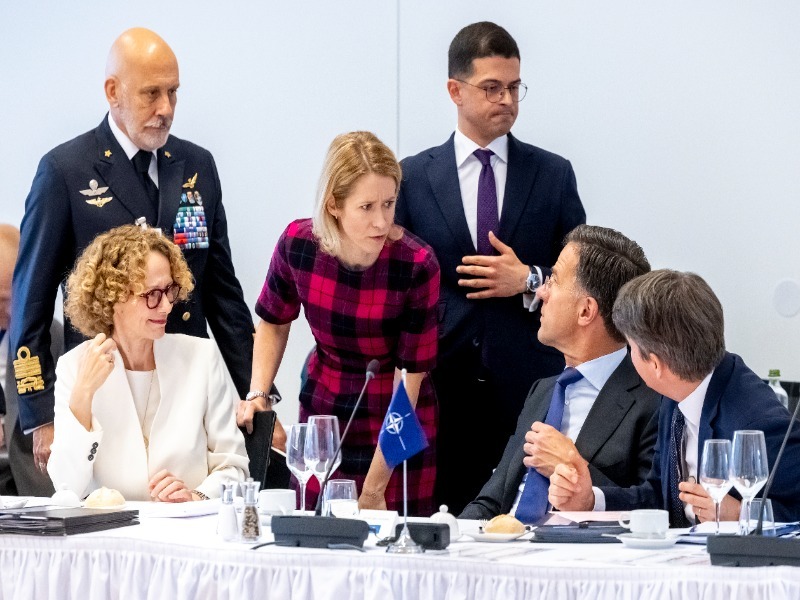
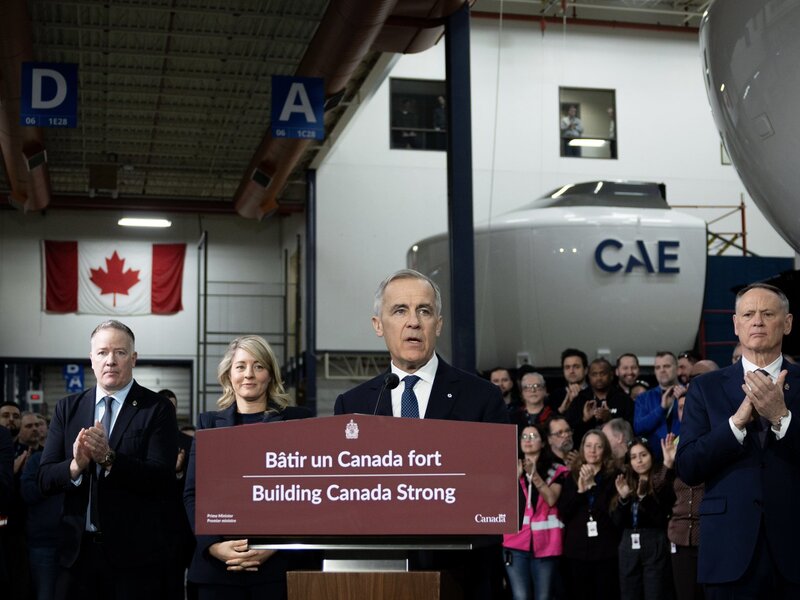
Canada’s Defence Industrial Strategy (DIS) aims to strengthen national defence posture by investing in domestic supply chains. This article explores whether the opportunities created by this expansion will produce meaningful gains for women in Canada’s defence and security industries. By examining initiatives among leading Canadian defence firms, this article assesses current efforts to promote women’s industrial participation and prescribes how the DIS can pursue gender-inclusive growth among Canada’s broader defence procurement strategy.
Tag: Canada
Protecting Arctic Cyberinfrastructure: Quantum Sensors for Domain Awareness in the North
This article discusses how the adoption of quantum sensing technologies will likely advance cybersecurity by enabling greater protection of infrastructure, detection of attacks, and attribution to attackers, particularly in the Arctic.
Disinformation and the Collapse of Shared Reality: Lessons from the Venezuela–Maduro Crisis
On January 3, 2026, the United States announced that its forces had captured Venezuelan President Nicolás Maduro and flown him to New York to face charges. Within minutes of President Donald Trump’s message breaking across social media platforms, an array of AI-generated images, recycled footage, and outright false claims began circulating widely. Some purported to Read More…
Understanding Canada’s Trade Diversification Policy and Lessons for other NATO States
Could Canada’s new trade policy serve as a template for the rest of NATO? This article analyses Canada’s trade diversification strategy as a case study to assess its viability as a model for achieving economic security among NATO member states.
What does the Venezuelan Oil Situation mean for Canadian Energy Security in the NATO Alliance?
In this article, Kaya Dupuis examines how the U.S. seizure of Venezuelan oil reserves in January 2026 creates an unprecedented opportunity for Canada to reshape North American energy dynamics. Can Canada move fast enough to capitalize on Venezuela’s decade-long recovery timeline and secure its position as the continent’s energy supplier before the window closes?
Financing Resilience in Critical Minerals: How Allies Are De-Risking with Policy
Supply chain dominance is an easy path to economic coercion. As critical minerals become more vital than ever in a world of increasing tensions, securing network resilience is necessary to security. When the question of “friend or foe” can be a blurred one, allies band together to mitigate risk through policy and cooperation.
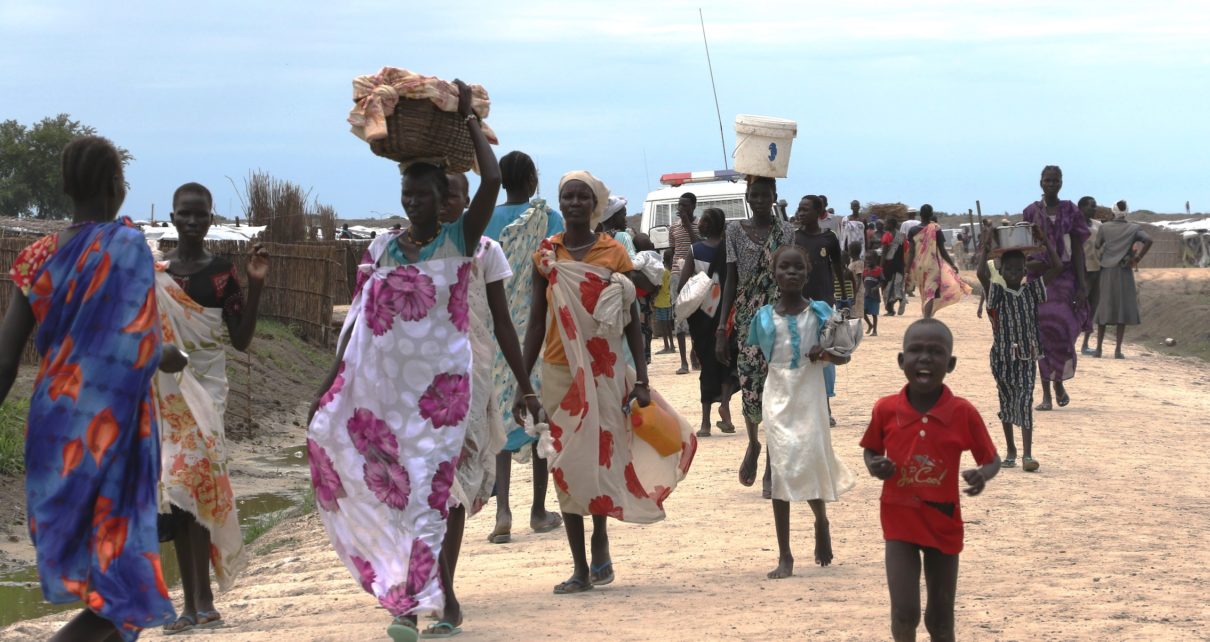
A War on Survival: Famine, Displacement, and Coercion in Sudan
Sudan has descended into one of the world’s most severe humanitarian crises of the moment, with more than 11 million people internally displaced, over 21 million facing acute food insecurity, and several areas assessed at emergency orfamine-level conditions. The war that precipitated this crisis began in April 2023 as a power struggle between the Sudanese Armed Forces (SAF) Read More…
Defending Solidarity After Warsaw’s Flag Incident
On 9 August in Warsaw, police detained 109 people during a concert by Belarusian singer Max Korzh for “drug possession, unlawful entry, assaults on security staff and use of pyrotechnics.” At the same event, one attendee displayed the red-and-black flag associated with the Ukrainian Insurgent Army (UPA). The symbol is contentious in Poland because the Read More…
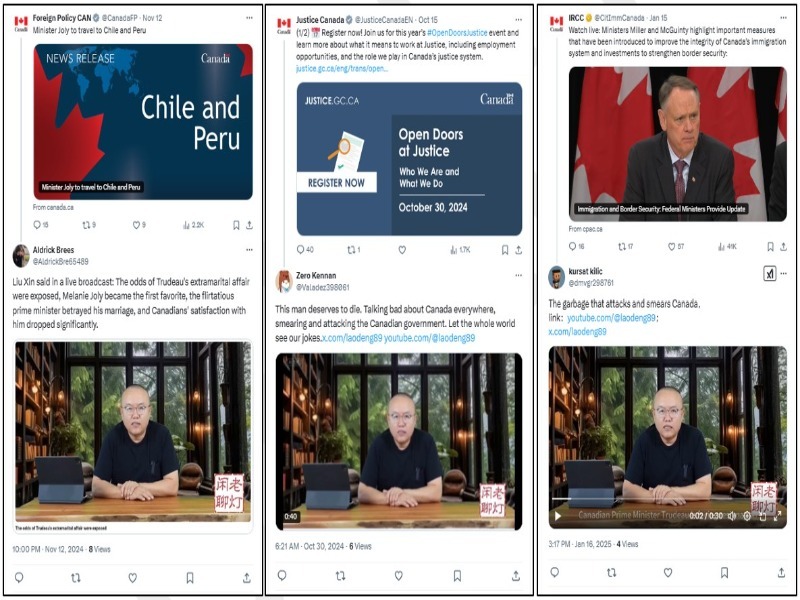
Spamouflage in Canada: How Targeted Disinformation Undermines Democracy
Two years have passed since Rapid Response Mechanism (RRM) Canada, which detects foreign interference and disinformation, identified the first Spamouflage campaign. First detected in 2023, the Spamouflage campaign refers to a covert disinformation operation that relies on networks of newly created or hijacked social media accounts, frequently seen to amplify narratives aligned with PRC (People’s Read More…
What Canada Has Yet To Learn from Ukraine About Countering Disinformation
Imagine a government on the verge of a decision that will take years to implement and billions of dollars to sustain. A major defence procurement. A long-term NATO deployment. A new assistance package for an ally. On paper, everything looks orderly. Briefings are prepared. Consultations take place. Procedures are followed. Yet, even before the decision Read More…