As NATO races to integrate commercial satellites into its collective defence architecture, can Canada afford to remain a passive consumer of allied space infrastructure? In this article, Kaya Dupuis argues that Canada must modernize its space governance framework, through updated export controls and a dedicated space security policy, to position its world-class space industry as a formal contributor to NATO security before the rules of governing commercial military space are written by others.

Tag: Canada
Testimony as Justice: Ukrainian Women Documenting the Unthinkable
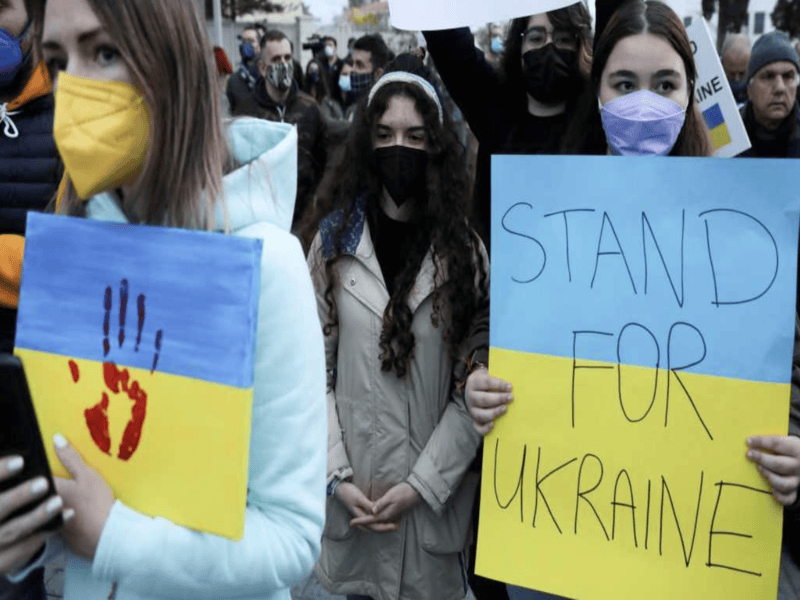
Ukrainian women-led organizations are building the evidentiary record for Russian wartime sexual violence, but are Canada and its NATO allies directing enough resources to the mechanisms that make accountability possible? In this article, Kaya Dupuis examines how organizations like La Strada-Ukraine and JurFem are documenting conflict-related sexual violence under active fire and what Canada’s commitments under NATO’s Women, Peace and Security agenda actually look like on the ground.
Tag‑Swapping at Toronto Pearson: Insider Threats, Cyber‑Physical Airport Systems, and NATO’s Resilience Agenda
This article will look at the baggage‑tag switching scandal at Toronto Pearson Airport—where insiders allegedly moved passengers’ tags onto drug‑filled suitcases—and use it to show how modern airports have become vulnerable to cyber‑physical systems, not just places with broken conveyor belts.
Stay or Leave? The Threat of Russian Influence in Albertan Separatism
What’s in it for Russia? As Russian involvement in the promotion of Alberta separatism comes into sharper focus, Zev Wood argues that it reflects a long-standing strategy employed by Russia aimed at covertly weakening its adversaries. He examines the ensuing implications for Canada’s sovereignty and economy as well as the knock-on effects on NATO.
Killing from a Distance: How remote warfare is reshaping accountability, civilian protection, and the future of conflict.
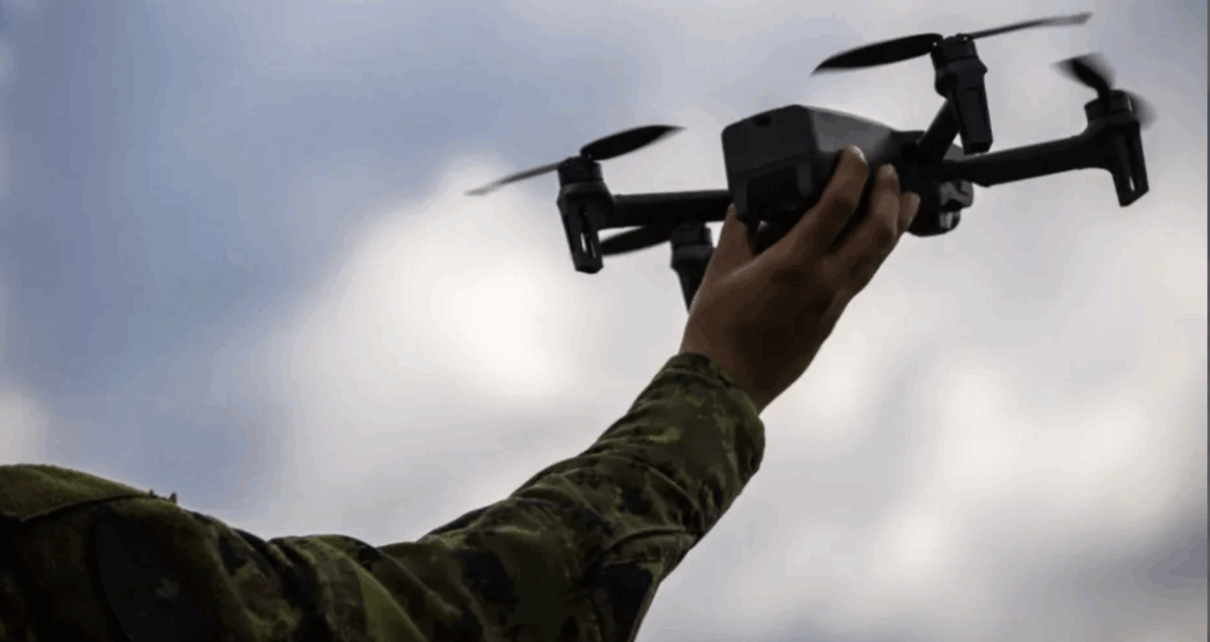
When warfare is designed to distance the soldier emotionally and physically from the battlefield, international humanitarian law pays the price. Giselle D’Anna examines how remote warfare and AI-enabled targeting are eroding civilian protection obligations, and what Canada owes to the future of war.
Energy Exports as Canada’s Gateway to the Indo-Pacific
In this article, Baichao Chen explores Canada’s opportunity to expand its position in Asia via the export of energy.
Canada’s Bootprint: An Effort to Mitigate Its Carbon Footprint
Canada has increasingly recognized that climate change is not only an environmental issue but also a growing national and international security challenge. As a founding member of NATO, Canada has aligned its defence policies with the Alliance’s climate objectives by integrating climate considerations into military planning, resilience, and emissions reduction. NATO has committed to reducing Read More…
Transnational Repression on Canadian Campuses: An Emerging Disinformation Threat
Transnational repression on Canadian campuses is an emerging threat distorting information environments and exposing NATO vulnerabilities. Using a two‑tier framework, Ji Young Kim shows how foreign coercion silences dissent and can lead institutions to reinforce false consensus.
LeadInSecurity: How NATO’s New Accelerator Can Deliver on Its WPS Commitments
NATO has just launched LeadInSecurity, its first Alliance-wide leadership accelerator for women in defence and security. In this article, Tessa McDermid explores how the program offers NATO an opportunity to close the sector’s gender gap and uphold its Women, Peace and Security (WPS) commitments. Since LeadInSecurity has no internal track record to draw on, she looks to comparable programs to argue that its long-term success depends on outcome tracking, integration into NATO’s existing accountability frameworks, setting numeric targets, and running as a recurring, multi-year initiative rather than a standalone initiative.
2026 Virtual Policy Hackathon Report: Calibrating Canada’s Defence Posture With Comparable NATO Allies
Although Canada achieved its 2% NATO target, it still struggles to turn that spending into modern, ready, and deployable military capability. With the new 5% pledge, Canada must rethink how it budgets and delivers defence investments to generate usable and efficient military power.