Supply chain dominance is an easy path to economic coercion. As critical minerals become more vital than ever in a world of increasing tensions, securing network resilience is necessary to security. When the question of “friend or foe” can be a blurred one, allies band together to mitigate risk through policy and cooperation.
4. Programs
placeholder for programs
A War on Survival: Famine, Displacement, and Coercion in Sudan
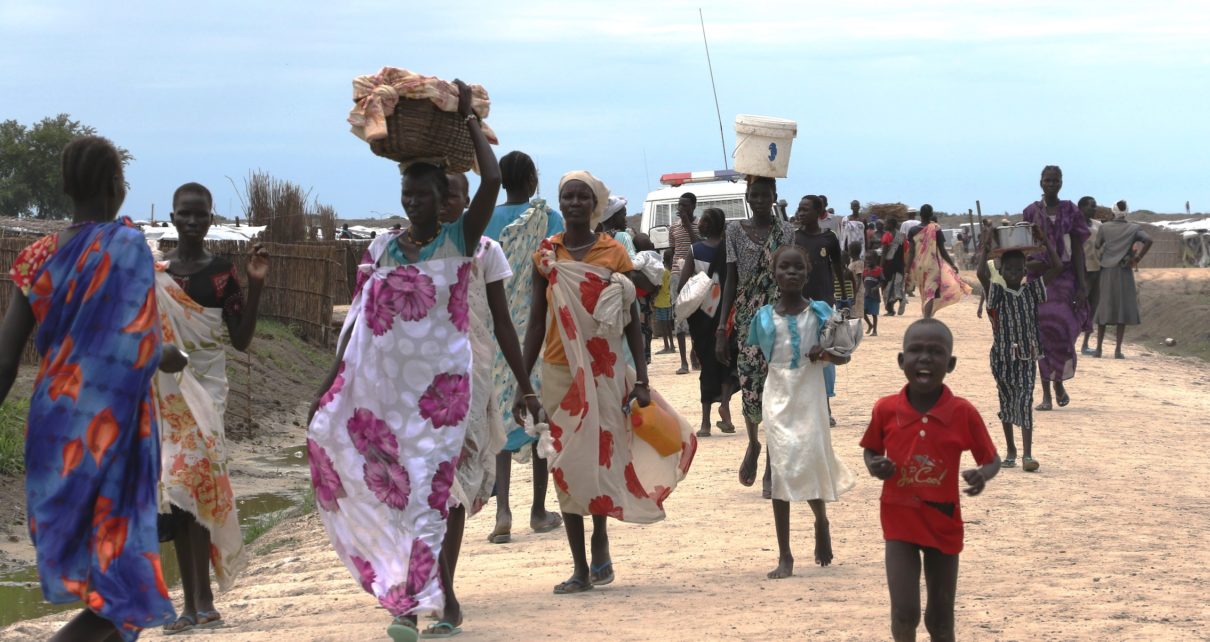
Sudan has descended into one of the world’s most severe humanitarian crises of the moment, with more than 11 million people internally displaced, over 21 million facing acute food insecurity, and several areas assessed at emergency orfamine-level conditions. The war that precipitated this crisis began in April 2023 as a power struggle between the Sudanese Armed Forces (SAF) Read More…
The Governance Gap: Why Canada Must Strengthen Its Critical Infrastructure Standards
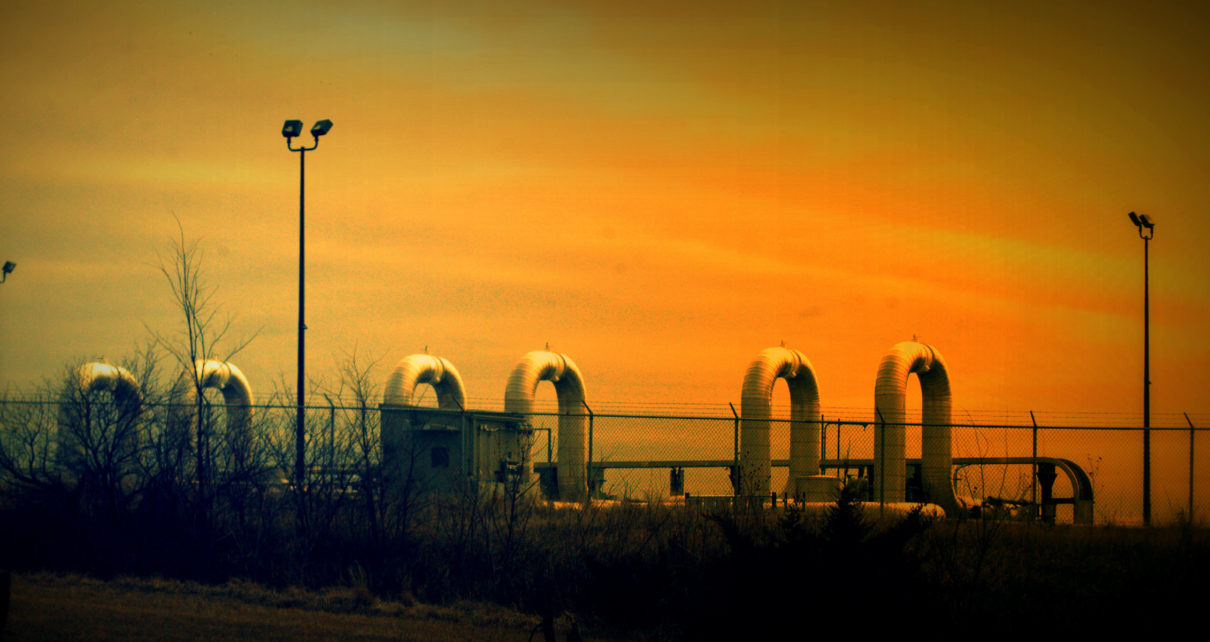
In May 2021, a ransomware attack crippled Colonial Pipeline, one of North America’s largest fuel distribution systems across its 5,500-mile network. The incident disrupted supply across the U.S. East Coast for days, triggering widespread shortages, panic buying at gas stations. The attack exposed a troubling reality: critical infrastructure in North America is more vulnerable than previously suspected. While Canada avoided Read More…
Space Diplomacy and NATO
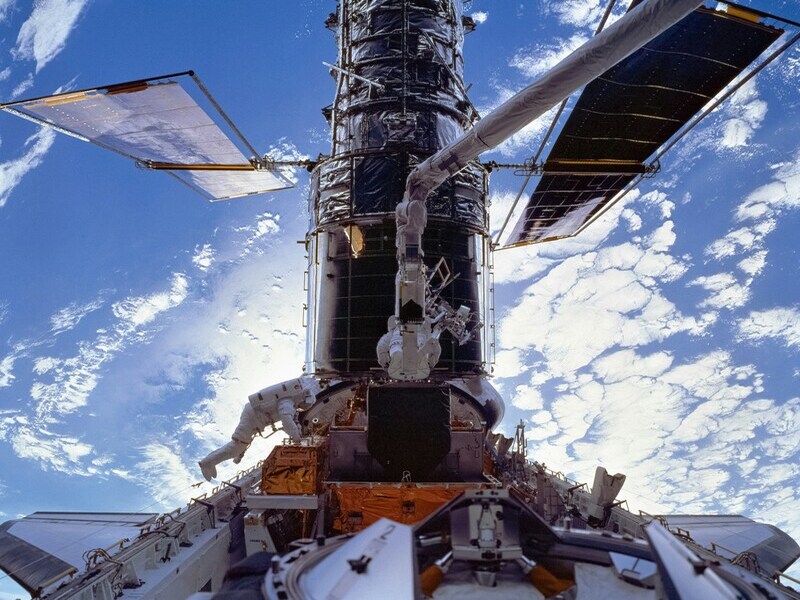
For most of human history, space was a realm of imagination; a canvas for myth, curiosity, and scientific dreaming. Yet today, that same silent expanse has become one of the most critical, fragile, and politically charged domains of human existence. Space has shifted from a frontier of scientific ambition into a contested arena where geopolitical Read More…
Built to Watch: The Smart City and the Reinvention of the Surveillance State in Daily Life
In the opening credits of The Jetsons, George Jetson glides through Orbit City, where technology has freed humanity from the drudgery of everyday life. The show offered a comforting fantasy in 1962; a city built on technological infrastructure that could dissolve urban problems altogether. Six decades later, as real cities rush to install sensors in Read More…
One Energy Dependence for Another: Europe, US LNG, and Canada’s Opportunity
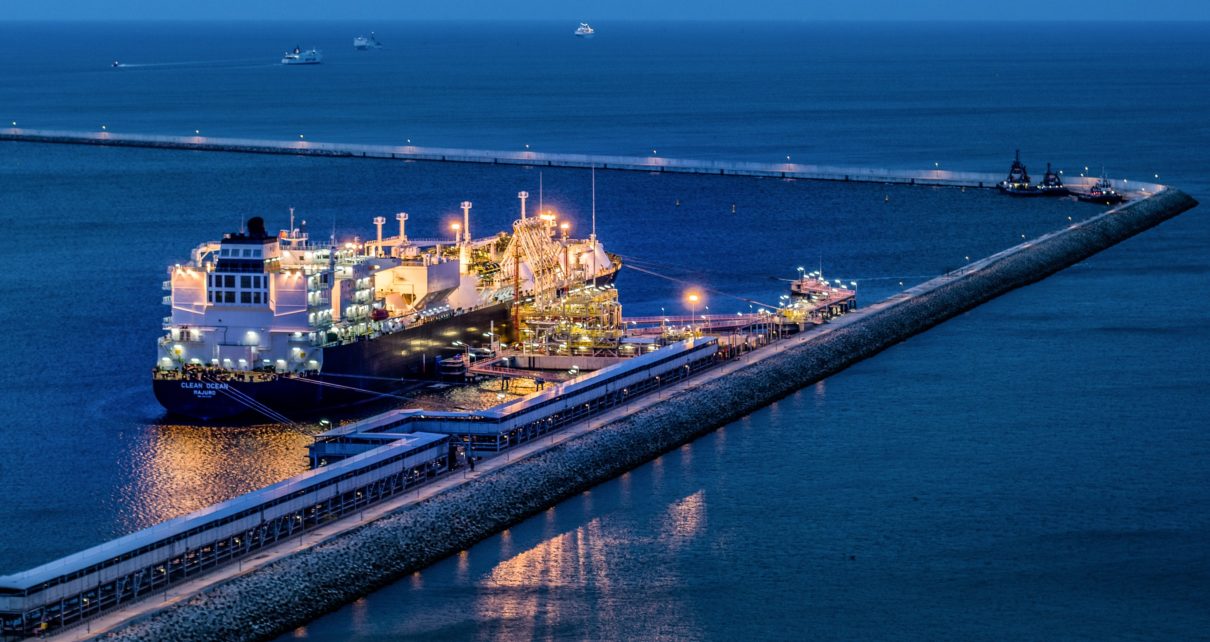
Since the 2022 Russian invasion of Ukraine, the European Union has moved to end reliance on Russian energy. On 26 January 2026, the Council adopted a stepwise ban on imports of Russian pipeline gas and liquefied natural gas (LNG), with a full ban on LNG from the beginning of 2027 and on pipeline gas from Read More…
From Mines to Mandates: Critical Minerals as the Key to Meeting Canada’s NATO Contributions
At the 2025 NATO Summit, Prime Minister Mark Carney announced that critical mineral expenditures would contribute to Canada’s 5% NATO defense spending contribution. Key to this new positioning is the building of essential industrial infrastructure necessary for critical mineral development and exportation, of which 1.5% of the new commitment is dedicated to. This new approach Read More…
Decolonizing Deterrence: Integrating Human Centric Approaches to Arctic Defence
How can Canada modernize its Arctic defence capabilities without repeating the environmental and social shortcomings of previous efforts?
Ross Manson examines how “decolonizing deterrence” is essential to countering increased Russian and Chinese influence in a region increasingly vulnerable to hybrid threats. Drawing on the legacy of the DEW
Line as a cautionary tale, this article demonstrates why Indigenous partnership and “dual use” infrastructure are strategic assets in building a resilient northern flank and what NATO allies can do to integrate human security concerns into regional sovereignty.
Defending Solidarity After Warsaw’s Flag Incident
On 9 August in Warsaw, police detained 109 people during a concert by Belarusian singer Max Korzh for “drug possession, unlawful entry, assaults on security staff and use of pyrotechnics.” At the same event, one attendee displayed the red-and-black flag associated with the Ukrainian Insurgent Army (UPA). The symbol is contentious in Poland because the Read More…
Spamouflage in Canada: How Targeted Disinformation Undermines Democracy
Two years have passed since Rapid Response Mechanism (RRM) Canada, which detects foreign interference and disinformation, identified the first Spamouflage campaign. First detected in 2023, the Spamouflage campaign refers to a covert disinformation operation that relies on networks of newly created or hijacked social media accounts, frequently seen to amplify narratives aligned with PRC (People’s Read More…