Hermean Japra Women in Security

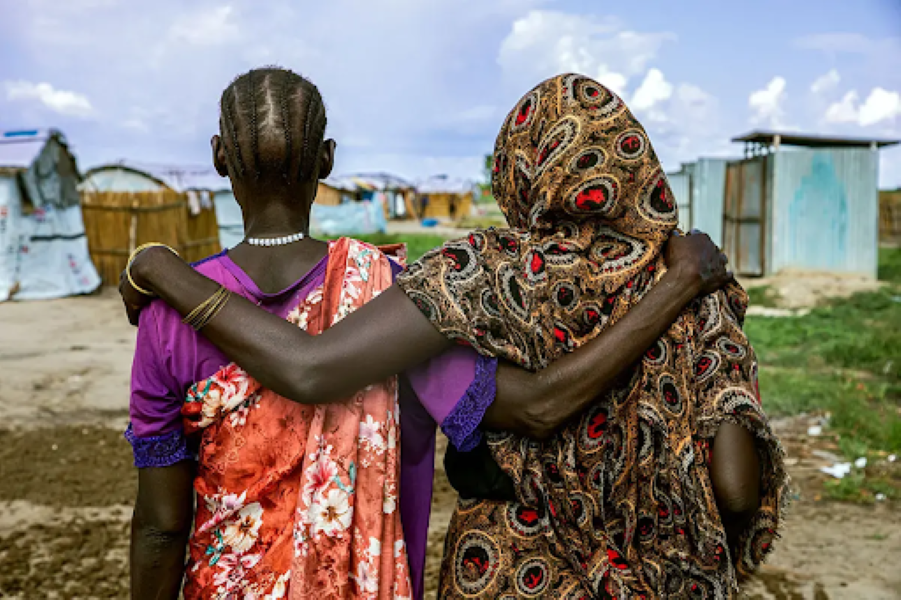
Executing the Women, Peace & Security Agenda: Are International Human Rights Laws Able to Support NATO Commitments?

This article explores how international human rights law, through the CEDAW treaty, can help strengthen NATO’s Women, Peace, and Security (WPS) agenda. It looks at how CEDAW’s legal obligations can support NATO’s goals by adding stronger accountability for member countries. Using Canada as an example, the piece shows how combining legal commitment with political action can make real progress toward equality and women’s roles in peace and security.

Esha Grewal Women in Security

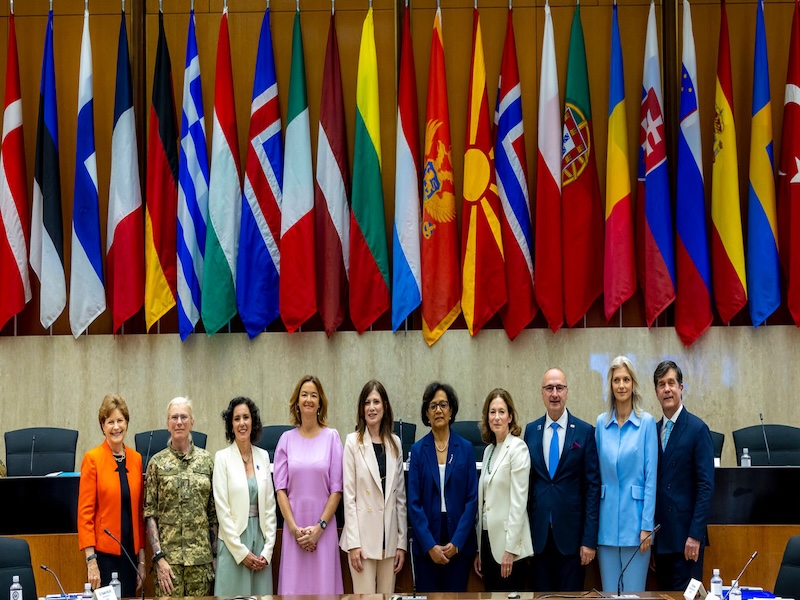
When democracies censor: Alberta’s book ban and its contradiction with NATO’s mission to defend democratic principles

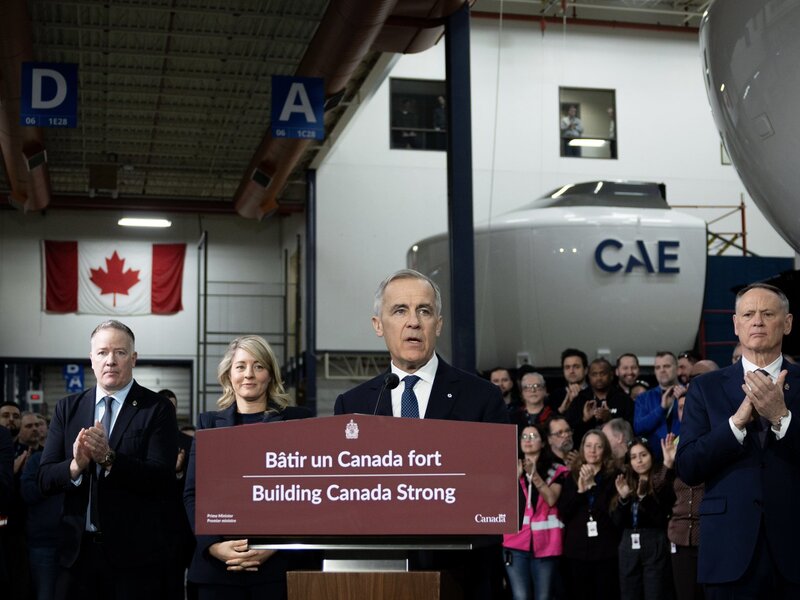
Alberta’s latest directive on books has turned heads nationally. But what does it mean for Canadian security? In this article, author Esha Grewal discusses how Alberta’s book ban is a part of the larger, growing trend of divisive policies among NATO countries that threaten social cohesion.

Canadian Armed Forces NATO and Canada women in women in security

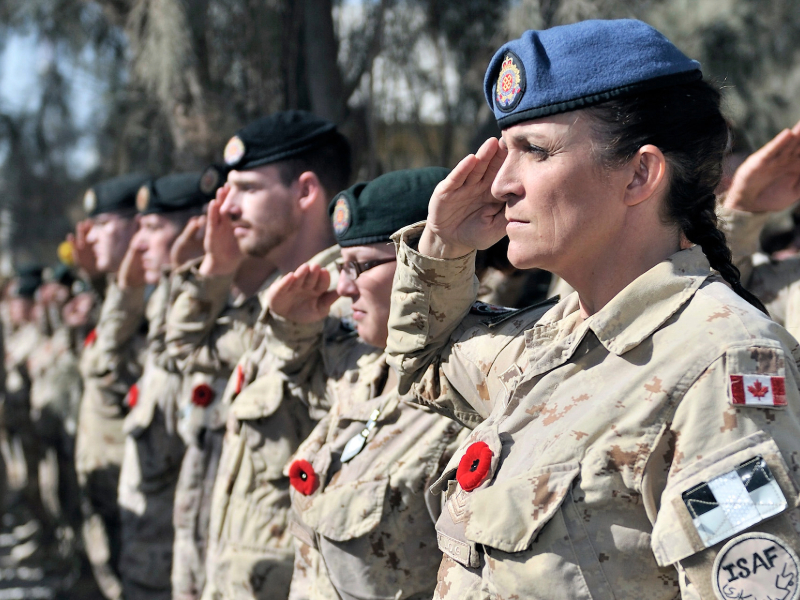
Canada’s WPS Credibility: Tested Within the Canadian Armed Forces

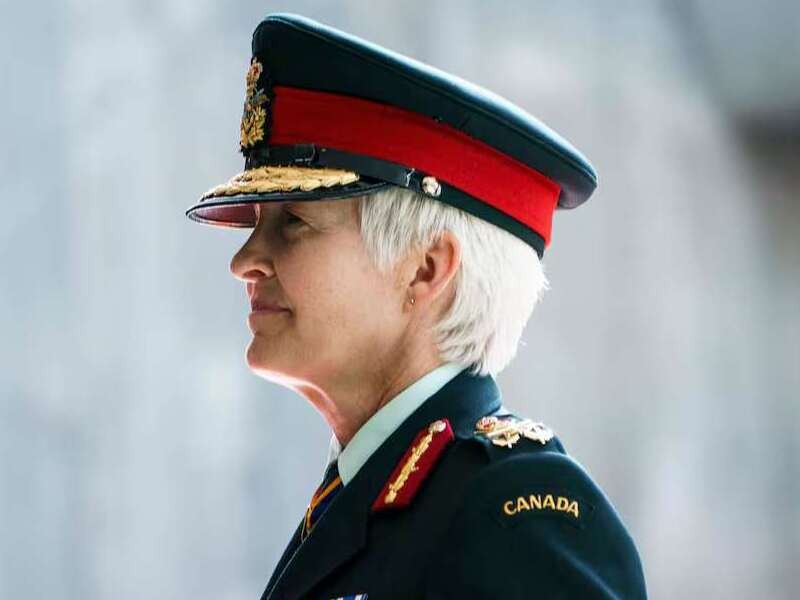
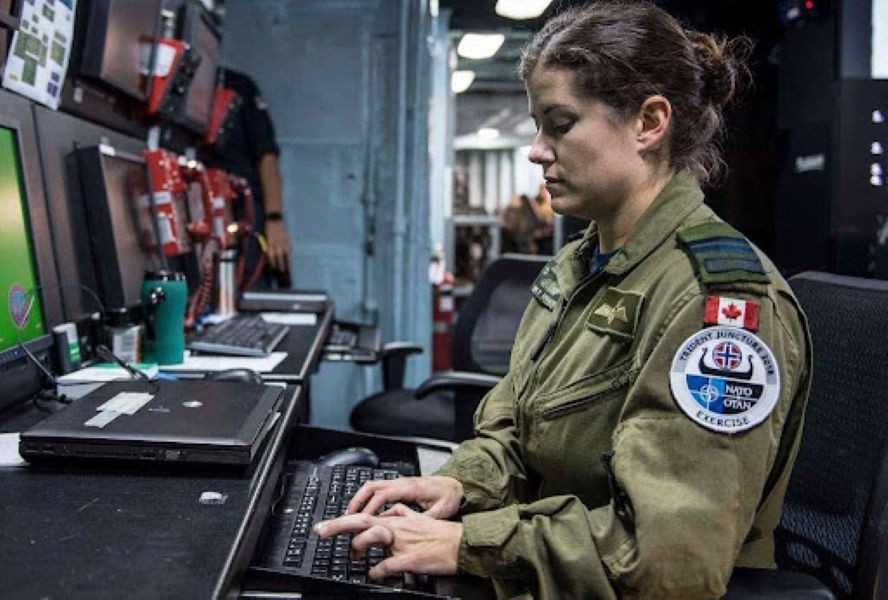
Canada has long championed the Women, Peace, and Security (WPS) agenda on the world stage, promoting gender equality in NATO missions and peace operations. Yet, at home, persistent structural barriers in the Canadian Armed Forces have created a gap between advocacy and action. Canada must address these domestic challenges and prioritize women’s meaningful leadership across all levels of the military to align its domestic practices with its global image.