Environment, Climate Change, and Security

POWER PLAY IN THE ARCTIC: Part 4 – A New Partnership Model for Sovereignty in the High North

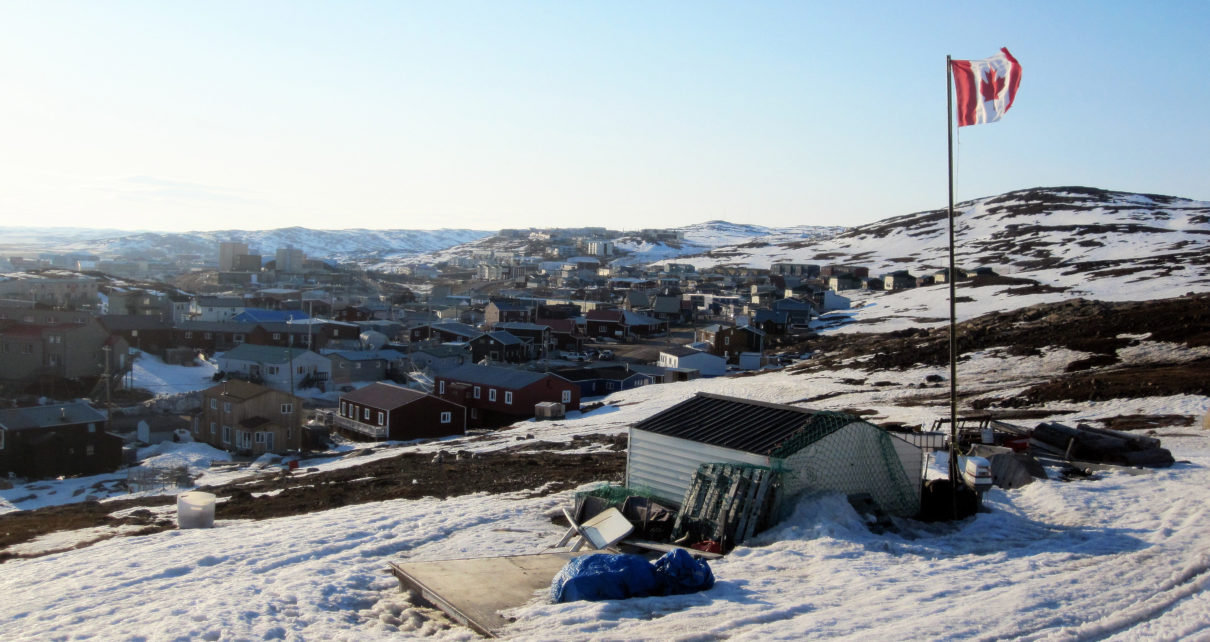
*This is the fourth instalment of a six-part series. Canada faces a number of challenges beyond those experienced by the Canadian Armed Forces that have further contributed to its inability to project sovereignty and security into the Canadian Arctic. These challenges have included: low Arctic population density, vast uninhabited areas, small remote settlements, and significant Read More…

Environment, Climate Change, and Security

POWER PLAY IN THE ARCTIC: Part 3 – A Policy Prescription for Canada’s Arctic Defence

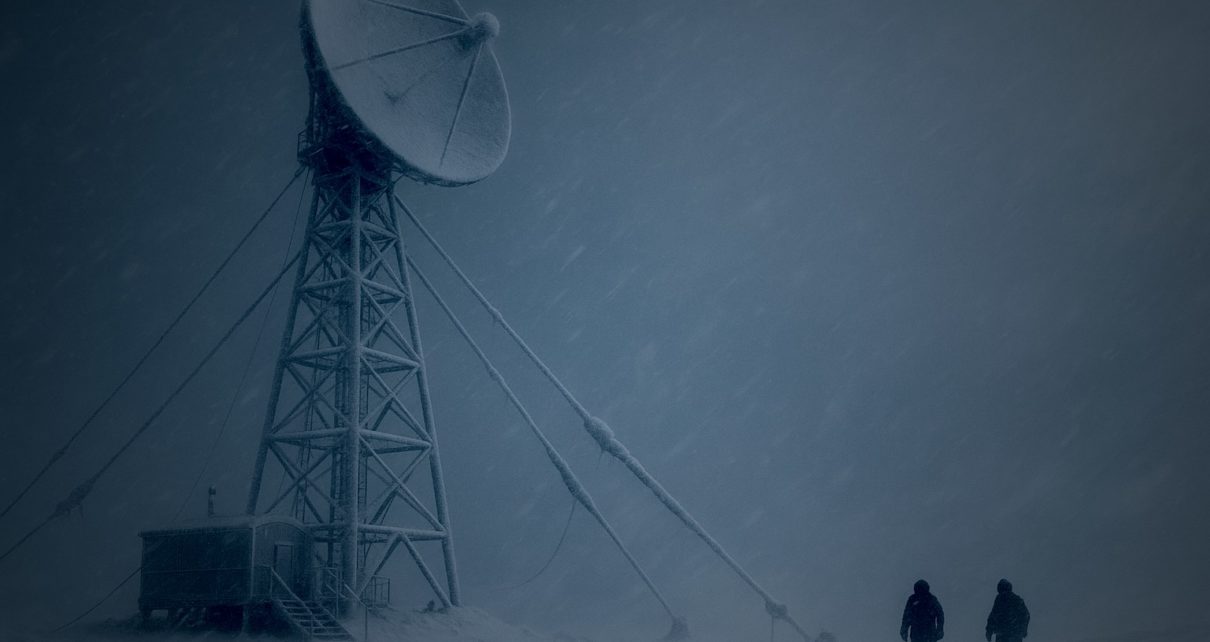
*This is the third instalment of a six-part series. Given the effectiveness of the Canadian Arctic’s harsh conditions as a deterrent against security threats, for most of its history, Canada’s defence of the Arctic has been sporadic at best. At present, although Joint Task Force North (JTFN) is tasked with northern operations, there are no Read More…

Previous Events

EU-Canada: Advancing Defence Industrial Cooperation High-level Event

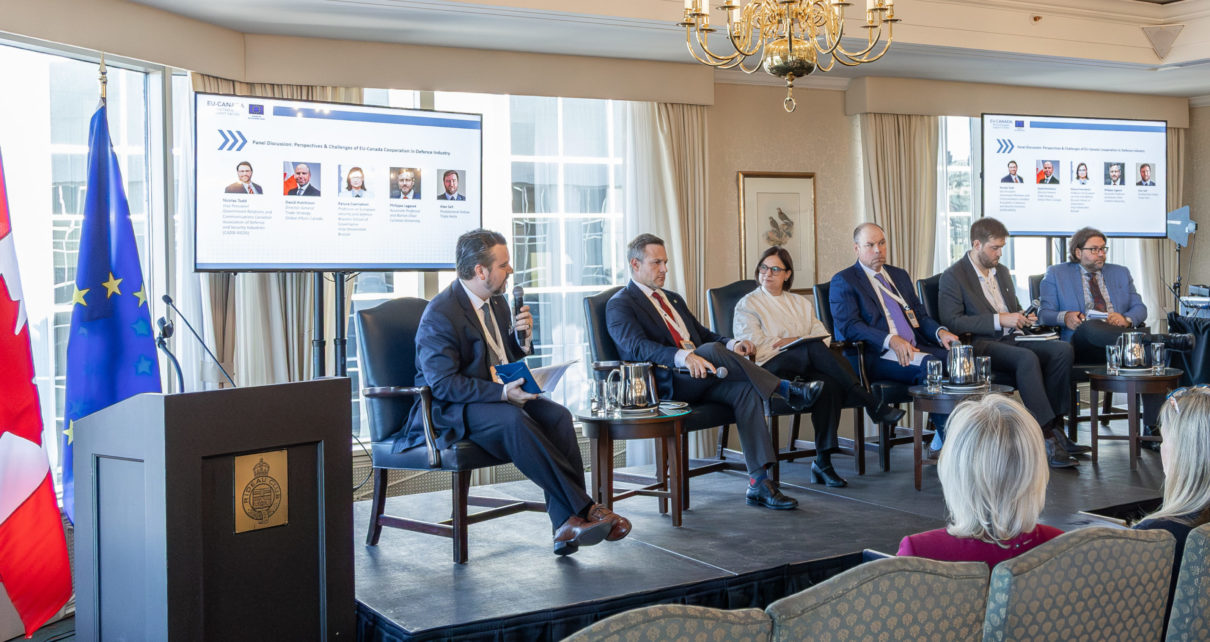
On October 1, 2025, the Rideau Club in Ottawa hosted the “EU-Canada – Advancing Defence Industrial Cooperation” event, organized by the Delegation of the European Union to Canada in partnership with the NATO Association of Canada (NAOC). The gathering brought together 86 participants, including representatives from government, industry, academia, and the diplomatic community, to explore Read More…

Environment, Climate Change, and Security James Lautens

Mineral Mania: Canada’s Critical Mineral Opportunity

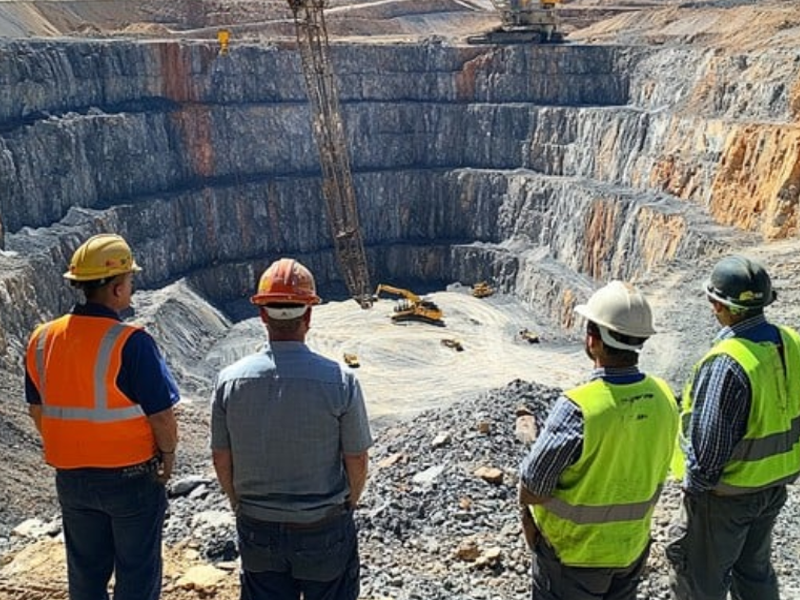
At an increasing rate, critical minerals are at the forefront of international relations. Critical minerals are a hot topic not only in the business sphere but also the defence sphere.This is especially true now, with President Donald Trump pushing Ukraine to sign over its critical mineral rights to the United States. This demand is presented Read More…

Society, Culture, and Security Tatiana Velickovic

Has the Time Finally Come for a European Army?

The idea of a collective European defence force is as old as the European integration project itself. However, it has always been outshone by NATO and deemed too logistically and politically arduous for a supranational body that was excelling in projecting soft power. Fast-forward to 2025, three years into Russia’s full-scale invasion of Ukraine and only a few months into Trump’s second term, which has included a great deal of NATO- and Europe-criticism, suggesting that the United States might no longer help defend Europe. The idea of deepened European defence integration, perhaps even a sovereign European army, is no longer so far-fetched. Can the EU make use of its single market to harness its defence capabilities and work around the political divisions on foreign and security policy within the Union?

NATO and Canada Olena Kryzhanivska

Three Russian Threats and How Canada Can Prepare for Them

While Canada might seem an unlikely target of direct threats from the Russian Federation, its engagement in global affairs and commitments to human rights and democracy inevitably put it at odds with Russia’s vision of the world order, drawing it into conflict with Russia’s revisionist foreign policy. With the Trump Administration pursuing an apparent rapprochement Read More…

James Lautens Society, Culture, and Security

Conscription in NATO Countries: Why Do Some Have It and Others Don’t?

In his latest article, James Lautens explores the discussion around military conscription as a means of deterrence in global security. By comparing conscription policies in NATO countries, he outlines the cultural, political, geographic, and historical factors behind conscription policies and argues that, in an increasingly unstable world, Canada should consider all options – including conscription – to strengthen its defences.

Society, Culture, and Security Tristan Price

A Third Nuclear Age: Russia’s Role in Nuclear Proliferation Since the Invasion of Ukraine

At a Royal United Services Institute event in December 2024, the head of the UK military, Admiral Sir Tony Radakin, claimed that the world could be on the brink of a “third nuclear age”. Nuclear weapon proliferation is on the rise, largely driven by the Russian invasion of Ukraine. It is important to identify the Read More…

Indo-Pacific and NATO

Article V & the Indo-Pacific: Will NATO’s collective defence pact function in an out-of-area region?

In this article, Junior Research Fellow Andrew Erskine examines NATO’s collective defence pact against the backdrop of the growing contest in the Indo-Pacific to determine if Article V could be invoked to defend NATO members in the region.