Environment, Climate Change, and Security

POWER PLAY IN THE ARCTIC: Part 4 – A New Partnership Model for Sovereignty in the High North

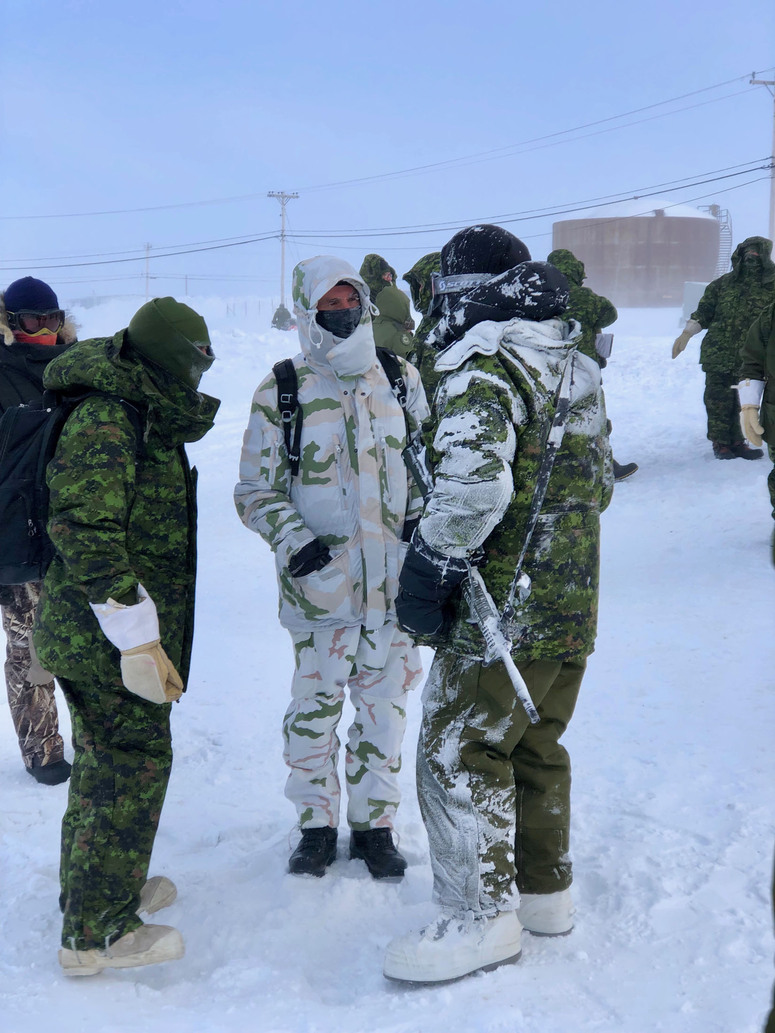
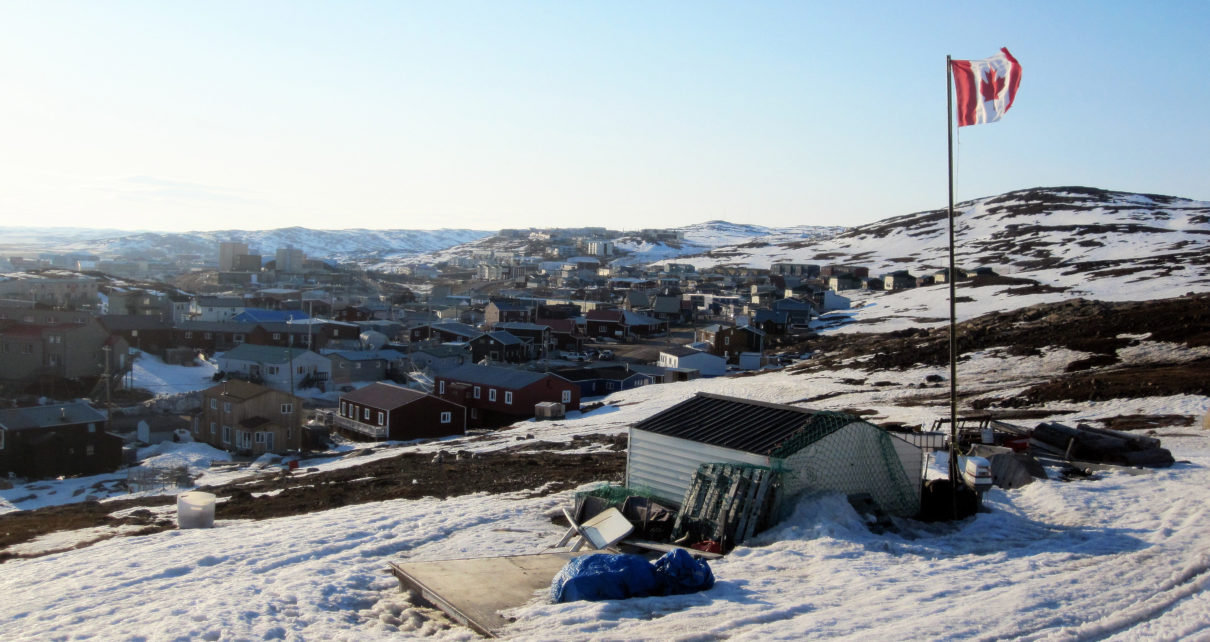
*This is the fourth instalment of a six-part series. Canada faces a number of challenges beyond those experienced by the Canadian Armed Forces that have further contributed to its inability to project sovereignty and security into the Canadian Arctic. These challenges have included: low Arctic population density, vast uninhabited areas, small remote settlements, and significant Read More…
Environment, Climate Change, and Security

POWER PLAY IN THE ARCTIC: Part 3 – A Policy Prescription for Canada’s Arctic Defence

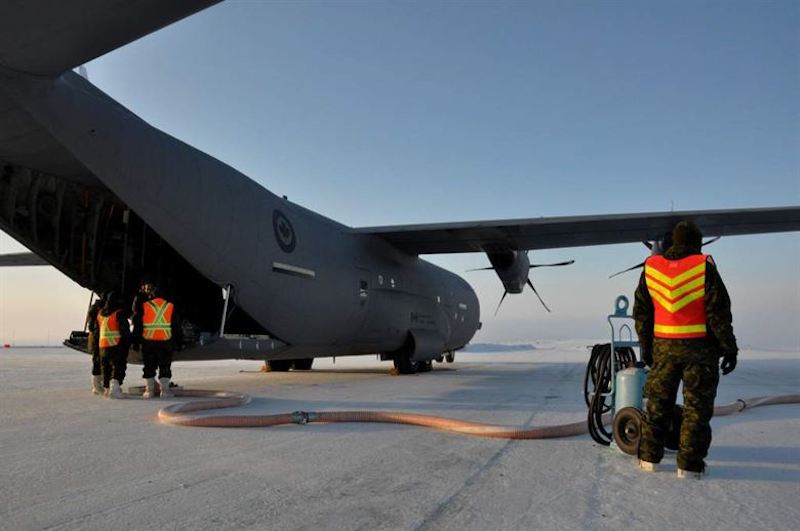
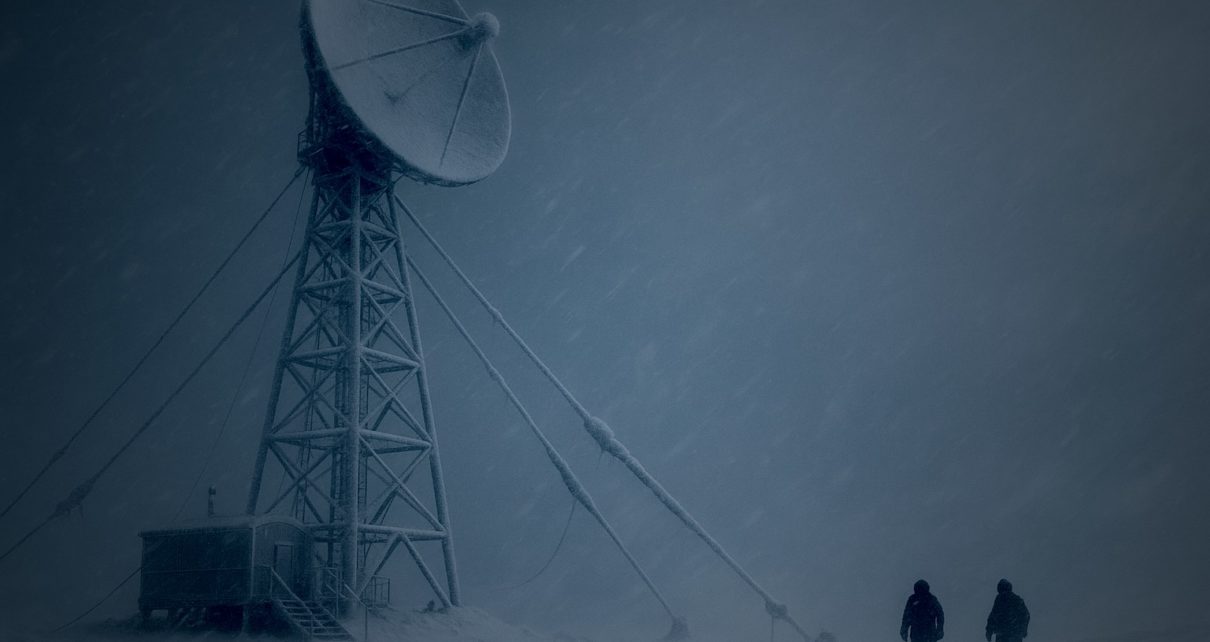
*This is the third instalment of a six-part series. Given the effectiveness of the Canadian Arctic’s harsh conditions as a deterrent against security threats, for most of its history, Canada’s defence of the Arctic has been sporadic at best. At present, although Joint Task Force North (JTFN) is tasked with northern operations, there are no Read More…

Security, Trade and the Economy Wu Xiao

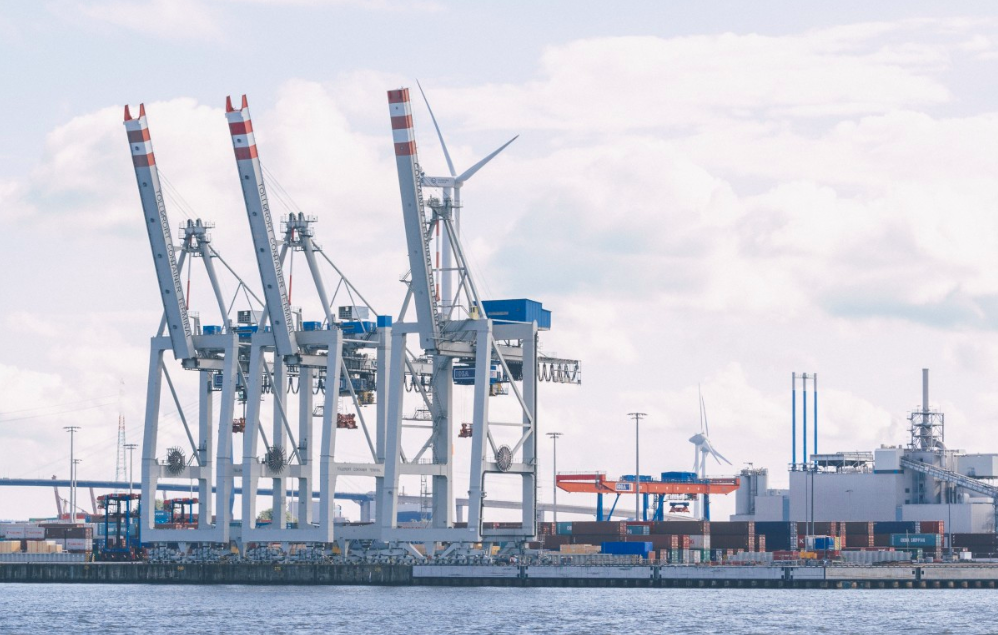
Belt and Road Initiative: Understanding China’s Foreign Policy Strategy

China’s Belt and Road Initiative (BRI) has been a contentious topic in international affairs since it was announced by President Xi Jinping in 2013. The mega-project aiming to connect Central Asia, Europe, and Africa via economic trade routes has received mixed responses from the international community for its lofty goals. Despite criticism about the plan’s Read More…

Editors' Forum Julia Schaumer Justin Dell Marian Corera Ryan Atkinson

Regions in Review: Is Canada Taking Arctic Security Seriously?

The NATO Association of Canada’s program editors look at the Arctic as a region of growing strategic significance and consider if Canada, in particular, is giving it the security focus is deserves, either militarily, economically, or environmentally.

Canada Mathew Z. Borden NATO and Canada

Lessons from the Canada-Spain Turbot War: A Cautionary Tale of Multilateral Governance

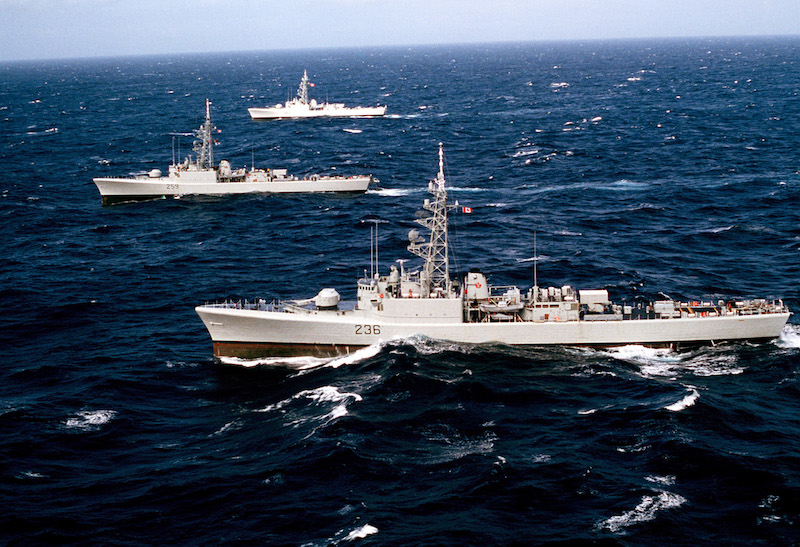
In 1995, Canada and Spain entered into a maritime dispute off the eastern coast of Canada. Canadian warships intercepted and seized Spanish fishing vessels not obeying the quotas of multilateral institutions tasked with fostering intergovernmental cooperation in the area. This conflict, dubbed the Turbot War, is an example of Canada use of unilateral force when multilateralism fell short. Lessons from this case should be applied to the changing Far North.