Join us in St. Johns’s, Placentia Bay and Ship Harbour
August 11-14, 2016
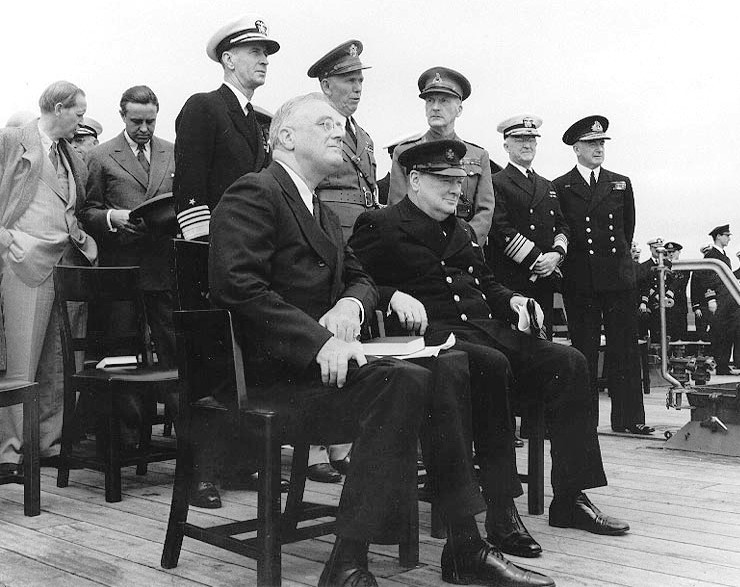
Join us in St. Johns’s, Placentia Bay and Ship Harbour
August 11-14, 2016
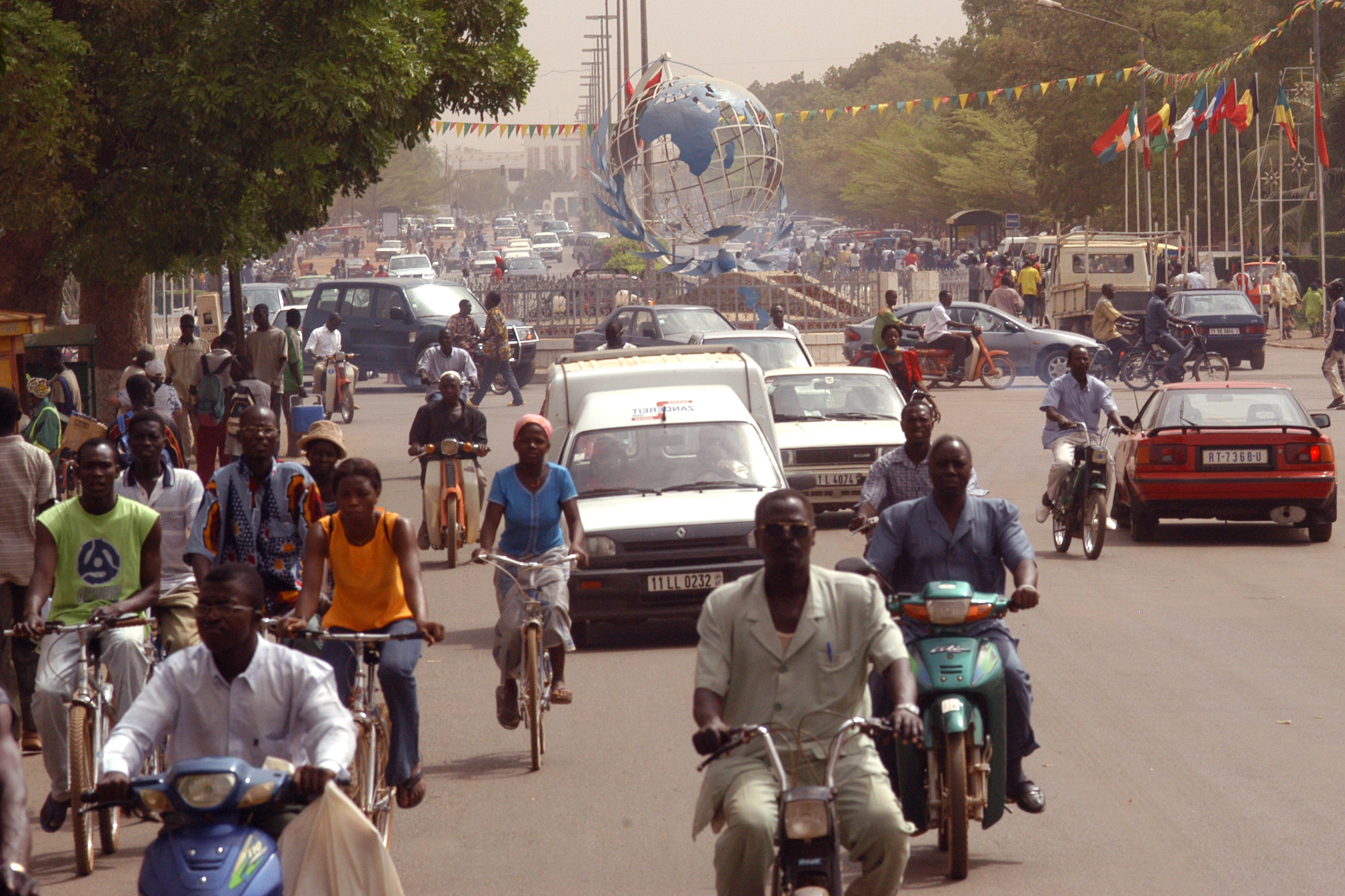
Looking at the aftermath of the Burkina Faso attacks.
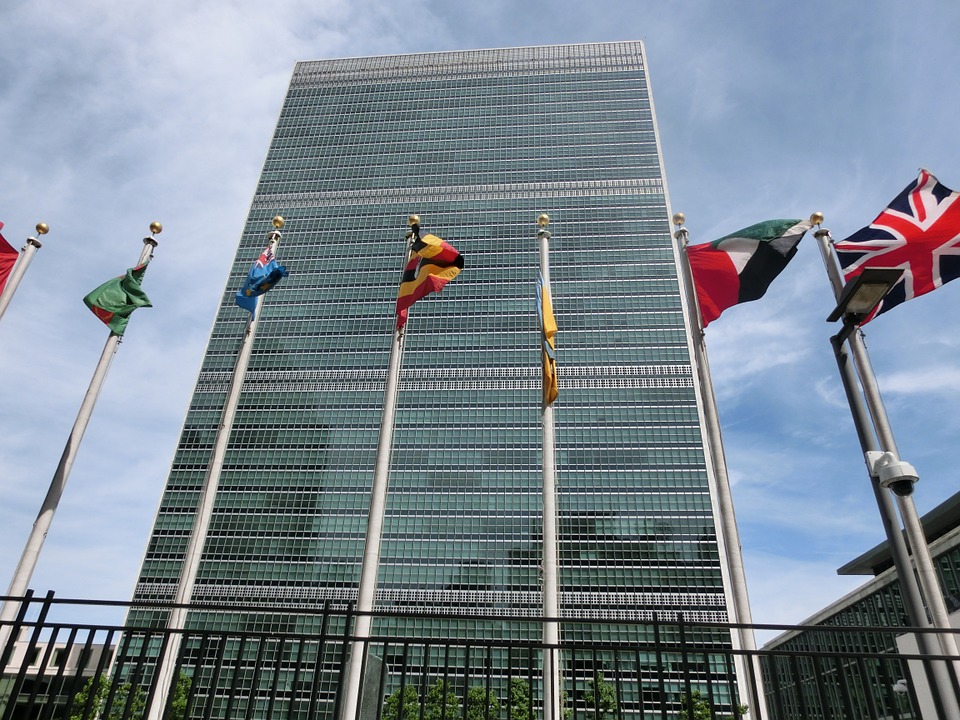
A couple of weekends ago, I chaired a committee at McGill University’s high school Model United Nations conference. 180 excited high school students simulated the United Nations World Conference on Disaster Risk Reduction, working together to address topics like gender, poverty, and technology, all within the context of sustainable risk mitigation of natural disasters. By Read More…
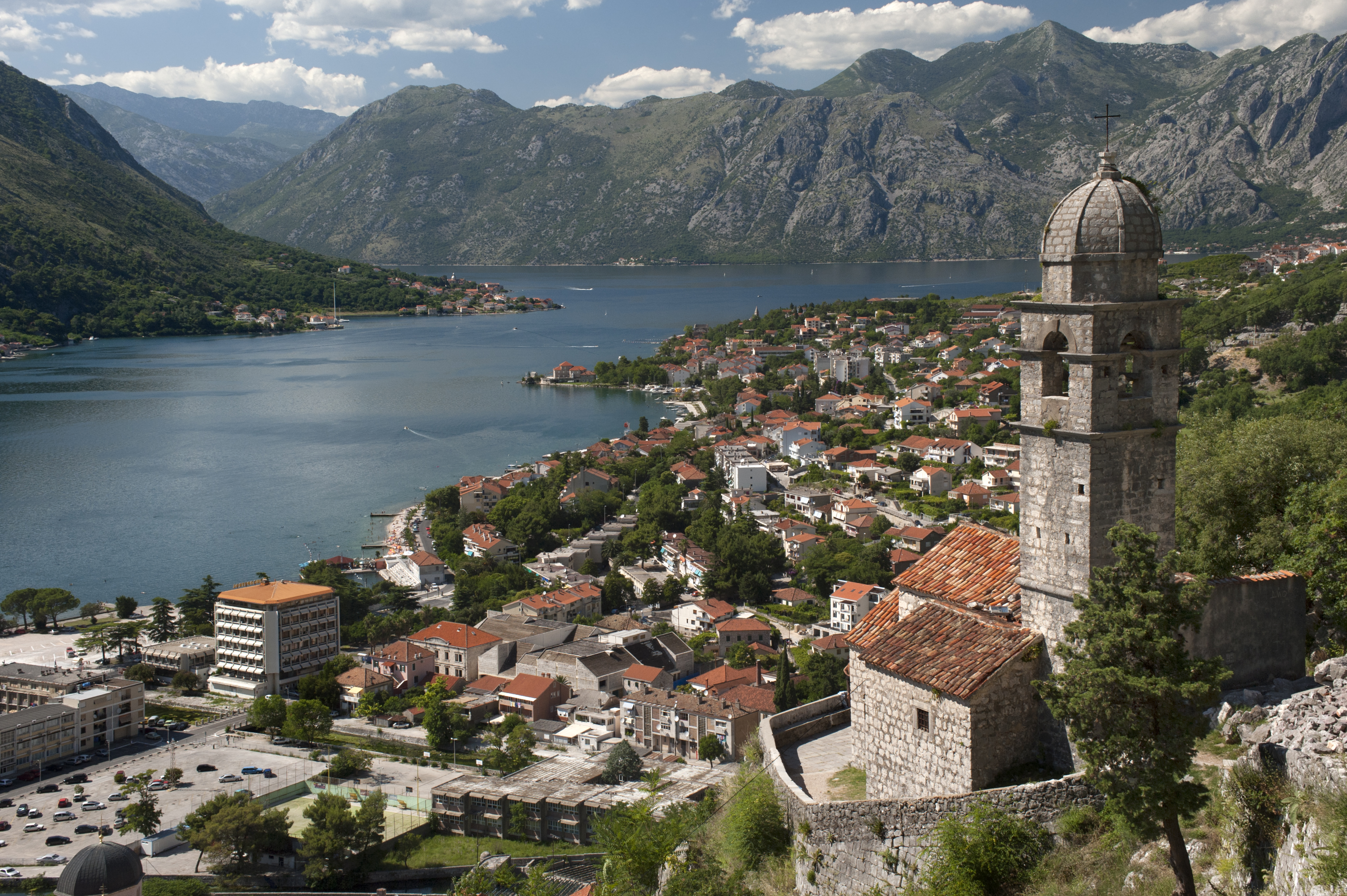
Analyzing the implication of Montenegro’s bid to join NATO.
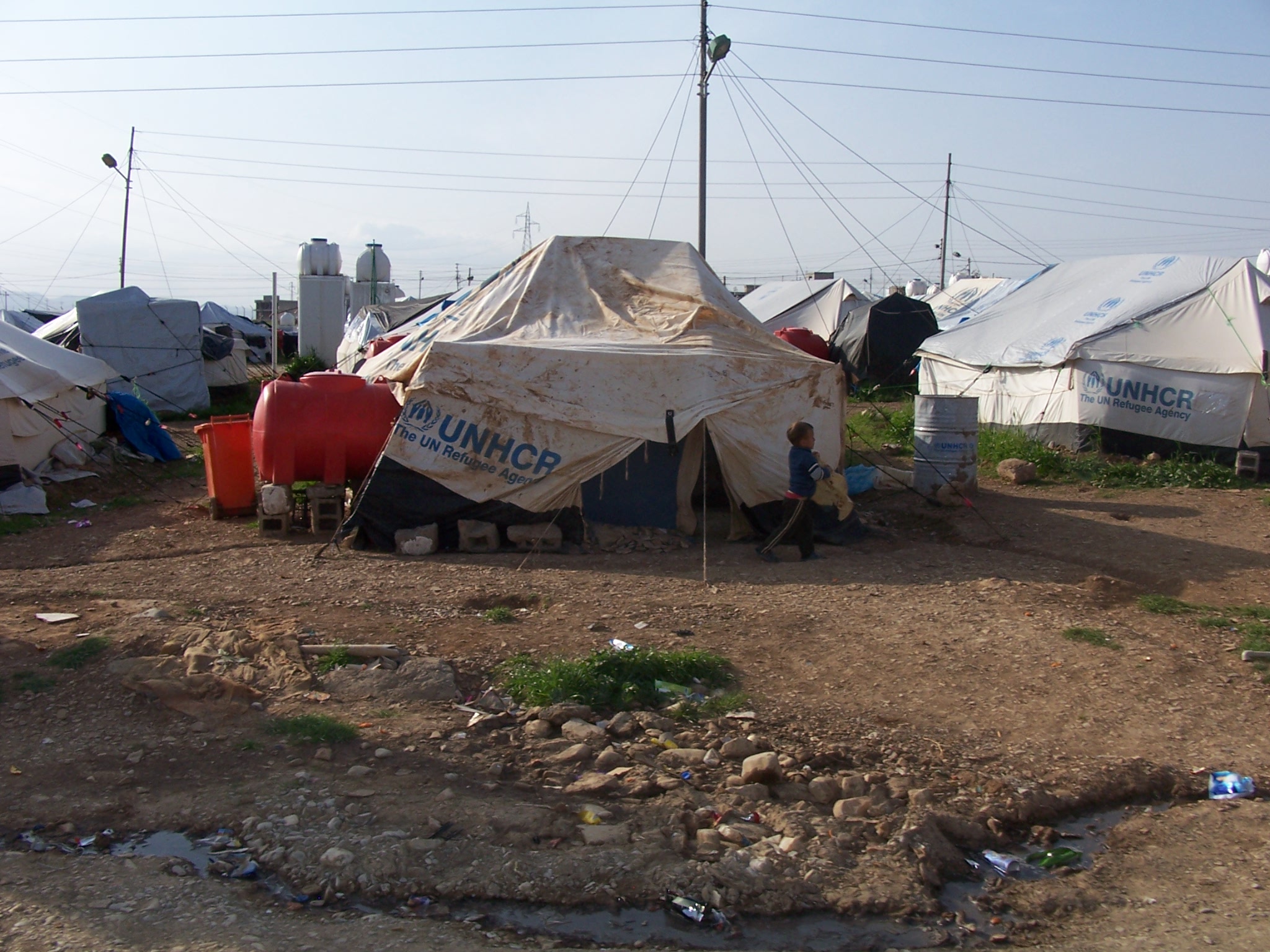
Megan argues that the influx of Syrian refugees to Canada are a source of strength, not security concerns
Analyzing the 2015 Paris Climate Change Conference
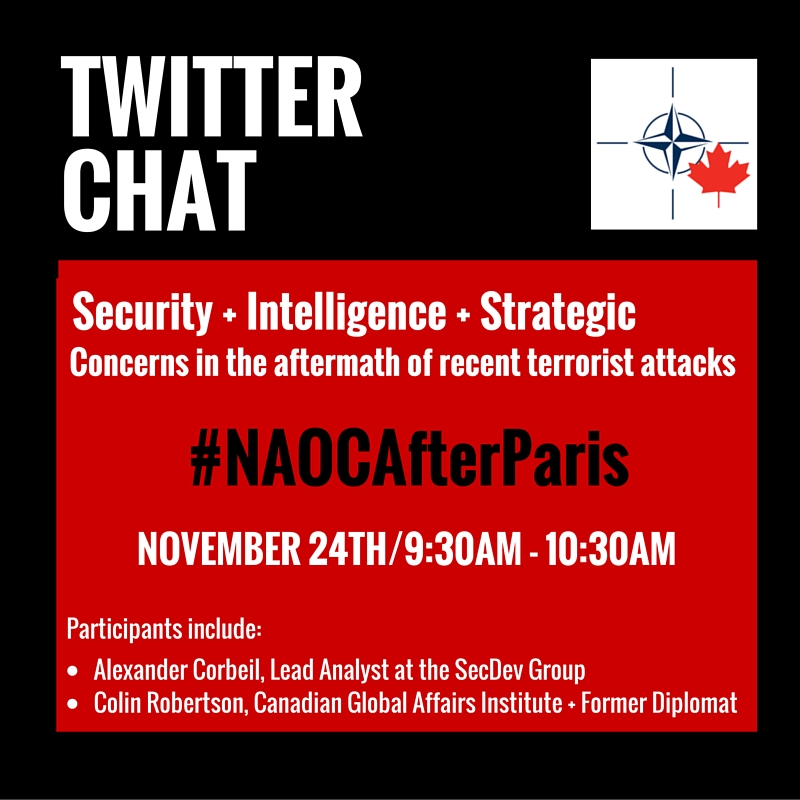
Here’s a quick recap of our Twitter Chat on the strategic, security and intelligence concerns in the aftermath of the terrorist attacks around the world this past month via Storify.
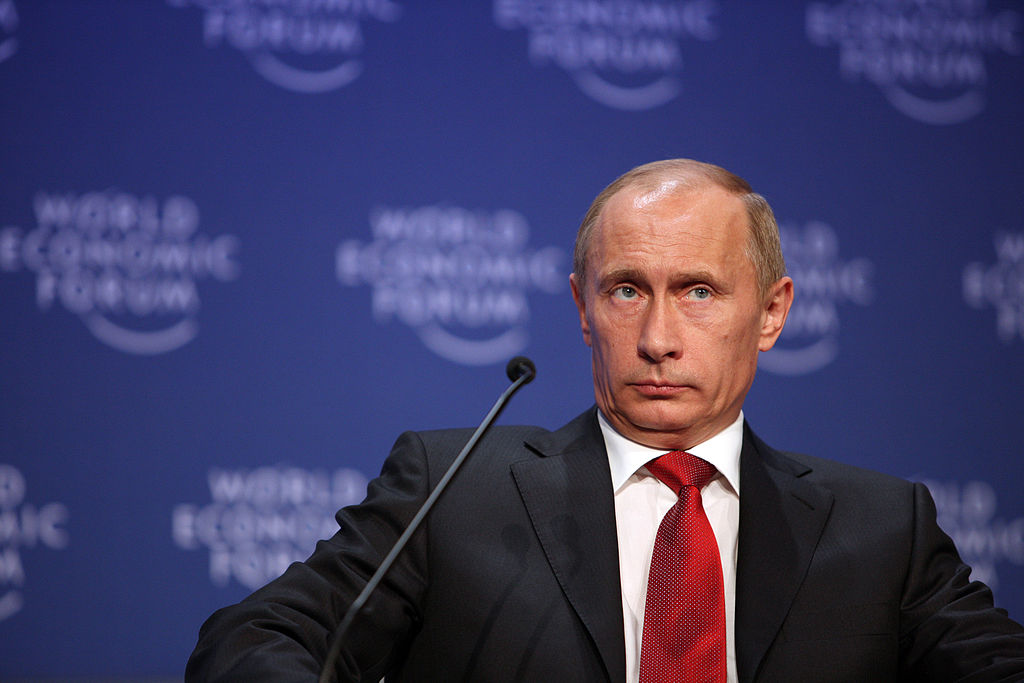
Russia recently produced an image of a secret nuclear warhead capable of devastating the United States with a 500ft tsunami able to destroy every living thing within 1000 miles. It was of course just “a leak”. If history has anything to say, however, it is very likely that this was a premeditated strategic military move. Read More…
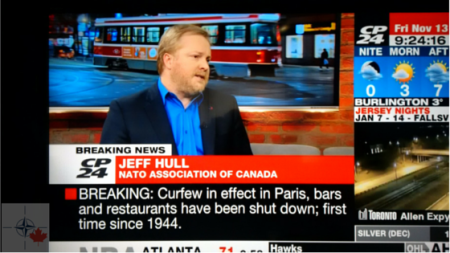
The NATO Association of Canada would like to highlight the media appearances of one of our Directors, Mr. Jeff Hull this past weekend. Mr. Hull spoke to CP24 in Toronto about the security implications of the terrorist attacks on November 13, 2015, in Paris and possible ripple effects in the global financial world. He additionally discussed Read More…
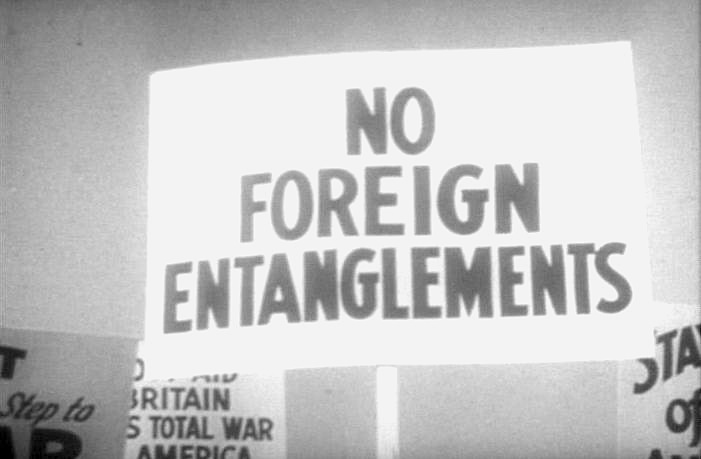
Matthew examines US foreign policy and its inability to adapt to twenty-first century problems.