In a four part series, Julie-Anne Labonté discusses Canada’s procurement practices and outlines challenges to the acquisition of the RCAF’s helicopters.
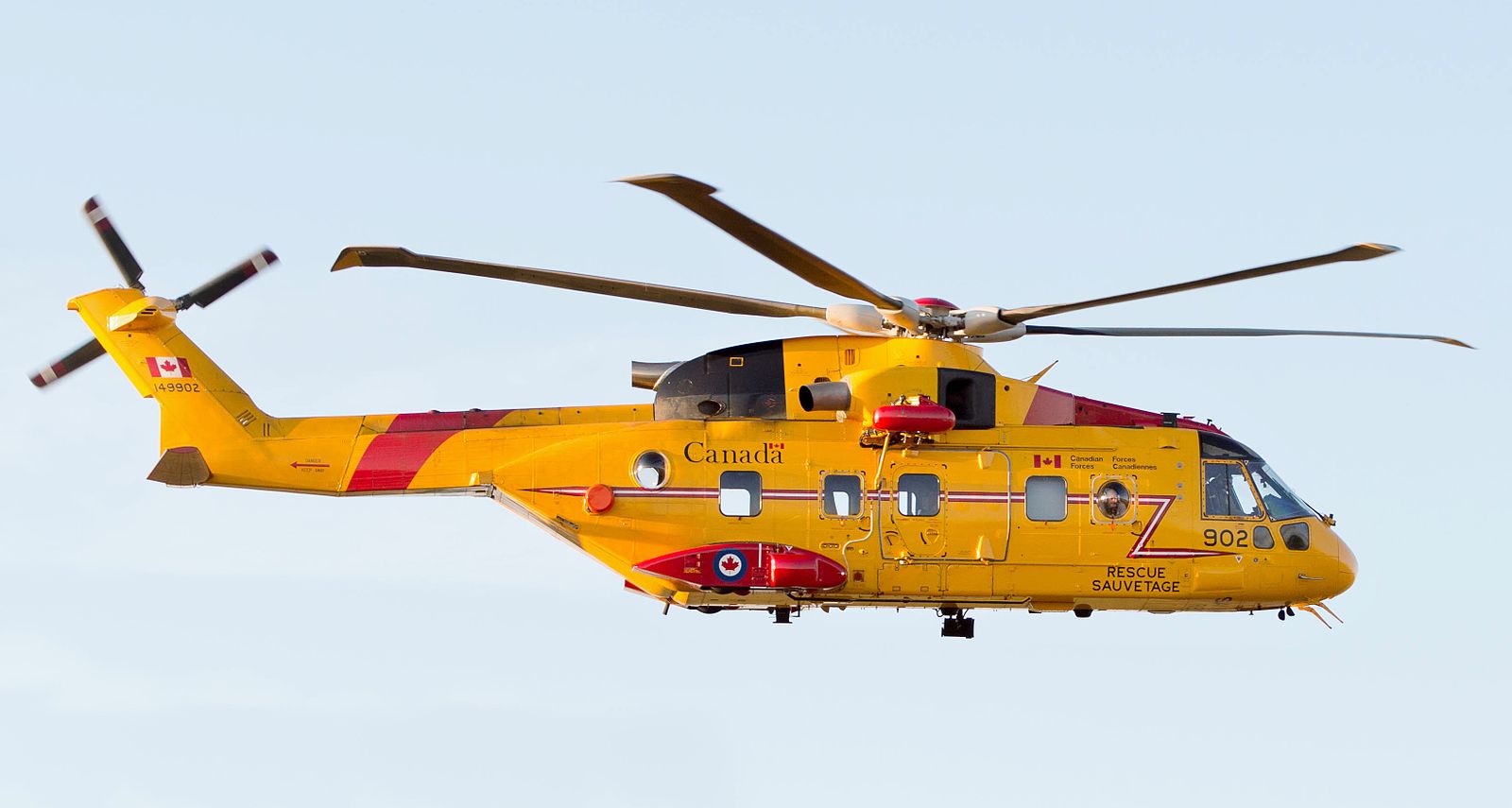
In a four part series, Julie-Anne Labonté discusses Canada’s procurement practices and outlines challenges to the acquisition of the RCAF’s helicopters.
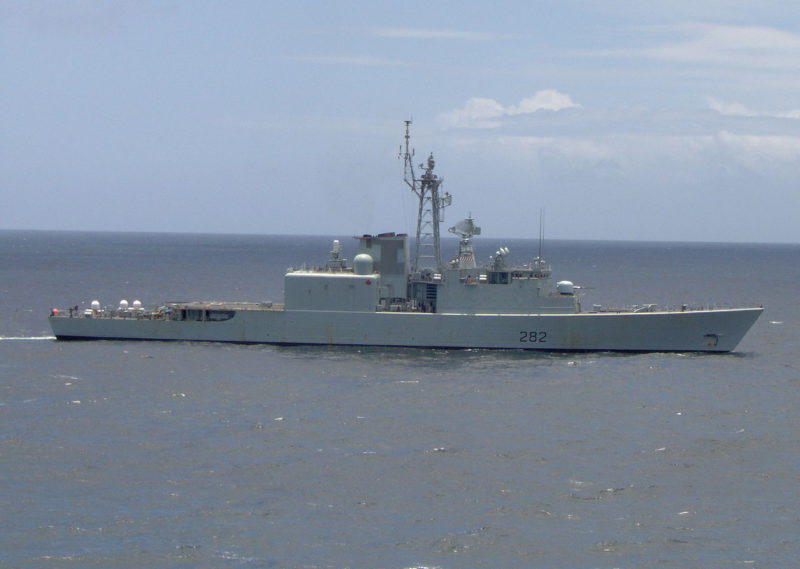
Is our navy ready? Claudia Nieroda discusses the state of the state of the Canadian Navy

What is the significance of ‘comfort women’ in transpacific relations and military culture? Mégane Visette investigates the link between haunting memories of imperial sexual slavery and the development of military prostitution in East Asia.
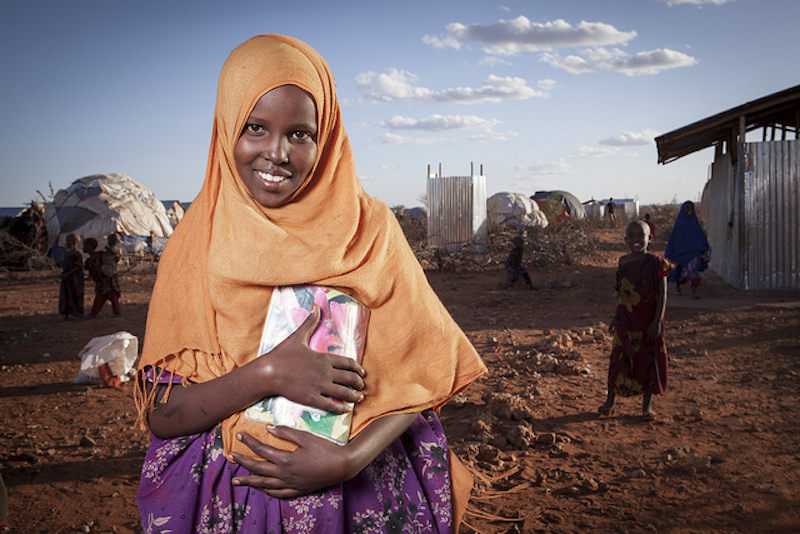
With the increase of civil wars and armed conflicts around the world there has also been an increase in debate surrounding humanitarian aid. Natasha Dobrijevic discusses the necessity and the challenge of including education in humanitarian aid.
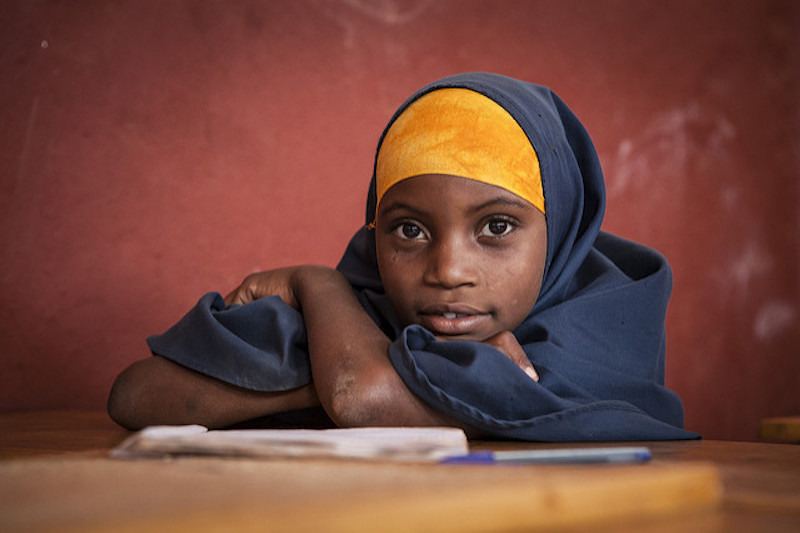
Among the most often neglected right in conflict zones is a child’s right to education. Natasha Dobrijevic summarizes education in emergencies statistics.
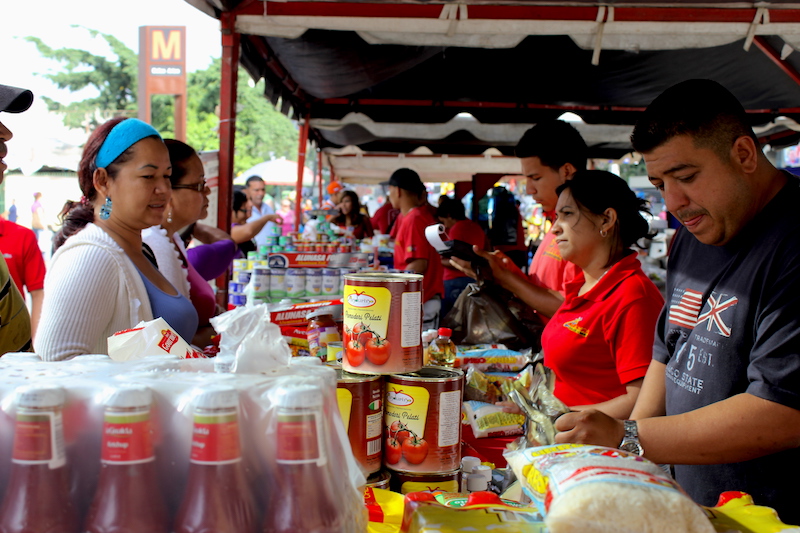
Why are people starving in Venezuela? Jeyolyn Christi explores the current food crisis plaguing millions in the country, and what the international community is or isn’t doing about it.
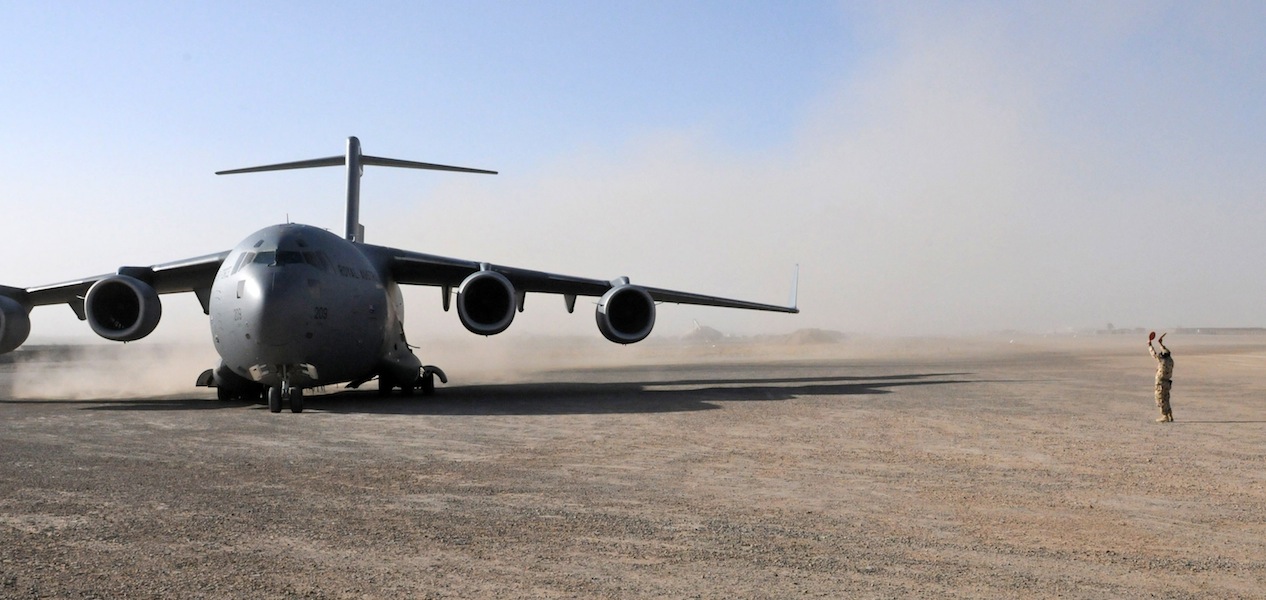
In times of national security threats, procurement needs to happen swiftly. Ensuring that financial resources are not wasted is the focus of new legislation.

Demyan Plakhov analyzes the Kampala World Cup bombings that took place in 2010.

Prudence requires those involved in [ISDS reform] to come to agreeable terms, setting a global standard that would increase net foreign investment and trust between nations.

The interim government of Brazil, led by former Vice-president Michel Temer, is sparking unrest by proposing unpopular reforms. Carter Vance explains why the government is overstepping its mandate and how the unrest could affect the world 7th largest economy.