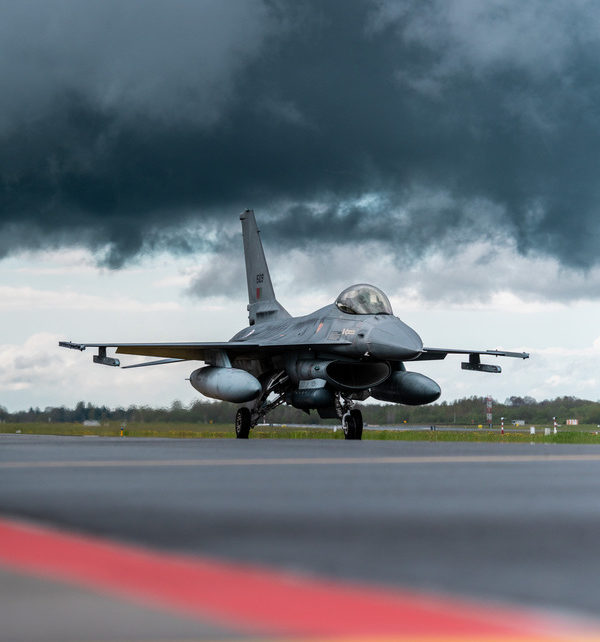
On November 24, 2015 after Russia had already launched its invasion of Ukraine, a Russian Sukhoi Su-24 was shot down by a Turkish F-16 after crossing into Turkish airspace. Since then, Russia has avoided any similar incursions or ‘tests’ of Turkey’s borders. Ten years later, on November 25, 2025, a Russian drone breached Romanian airspace Read More…
4. Programs
placeholder for programs
If Knowledge Is Power, Then Shared Knowledge Is Lethal: The Story of the Five Eyes
Over the past decade, the global security landscape has become increasingly volatile, blurred, and unpredictable, marked by hybrid warfare, grey-zone tactics, and influence operations that unfold across cyberspace and global technology markets. The very nature of conflict is evolving as authoritarian powers recognize that information dominance has become a weapon. These powers are investing heavily Read More…
Democracy, Discontent, and the Digital Age: Lessons from Nepal for the World
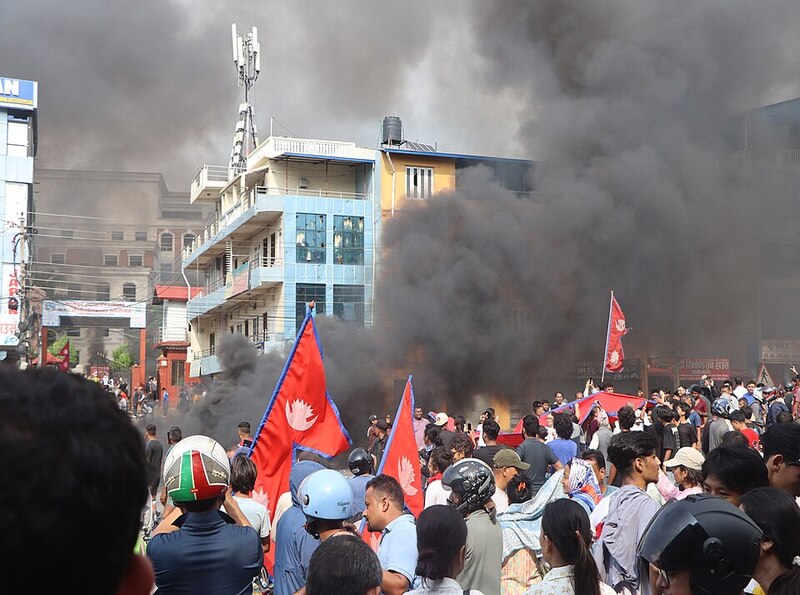
Narayan Srivastava examines Nepal’s 2025 political upheaval as a warning signal for democracies worldwide.From a sweeping social-media ban to youth-led protests that brought down a government, Nepal reveals how digital connectivity, declining trust in institutions, and demographic pressures are reshaping political power. This article situates Nepal within a broader global pattern from South Asia to Europe where digitally mobilized citizens are challenging elite governance structures. The piece argues that these movements are less about ideology and more about systemic failure, offering critical lessons for democratic resilience, international security, and the future of governance in the digital age.
Sexual Violence as a Weapon of War: NATO’s Responsibility to Protect Women
This article looks at how sexual violence operates as a weapon of war in Sudan, and considers NATO’s responsibility to protect women under its Women, Peace & Security (WPS) agenda. It emphasizes the necessity of international collaboration, through policing, justice, and accountability initiatives, in order to strengthen women’s protections and address conflict-related sexual violence.
Apocalypse, Radiance, and Necessary Evils: Nuclear Attitudes Across NATO
Nuclear weapons are many things. Their fearsome power provokes millenarian musings of humanity’s penchant for self-destruction. They are a great force multiplier in international relations, raising the relevance of marginal states and confirming the dominance of powerful ones. They form a key part of NATO’s strategic rationale by serving as a deterrent against aggression. Though Read More…
Special Report: The Case for Canada to Become an Allied Energy Superpower
Introduction The 2022 Russian invasion of Ukraine has forced NATO to acknowledge the weaponization of energy. Electric grid coercion, gas cut-offs and cyber-intrusions into critical energy infrastructure and pipeline flow manipulation all represent core structural vulnerabilities of the European security architecture. NATO has responded by moving energy security from the periphery of its security planning Read More…
Fractures in Unity: Hungary, Slovakia, and Europe’s Energy Future
As Canada seeks to strengthen its ties with the EU, how does division in European energy policy and broader support for Ukraine affect transatlantic unity? In this article, our Junior Research Fellow Angelina Smolynec unpacks pipeline politics and explains why Hungary and Slovakia have deepened their ties with Moscow, while most of the EU has committed to phasing out Russian fuel.
From Kyiv to Taipei: Why the Russian-Ukrainian War Matters in the Indo-Pacific
Alexander Morrow and Nataliia Dikalchuk explain why Ukraine’s fight matters far beyond Europe. The war is reframing deterrence in the Indo-Pacific, prompting Taiwan to prioritize self-reliant defence and pushing China to reassess Western unity. Their analysis highlights how democratic resilience in one region shapes security calculations in another.
Europe’s Land-Based Intermediate-Range Strike Capability Gap
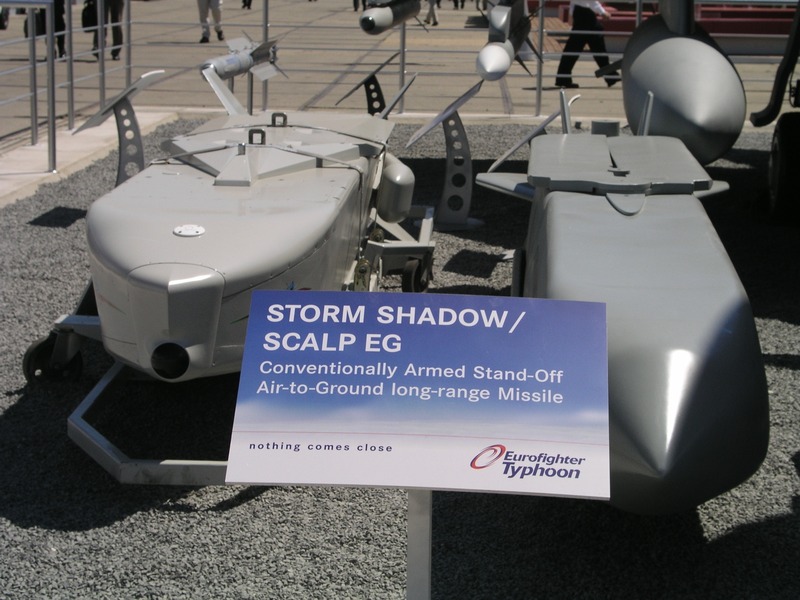
The post-INF ground game has been moving fast in the past few months with long-term consequences for European security. Having successfully eliminated ground-launched intermediate-range missiles as a whole class of weapons from American and Russian Cold War inventories, the Intermediate-Range Nuclear Forces (INF) Treaty was a cornerstone of European security for so long that it was easy Read More…
How NATO’s Innovation Lift Could Reshape Canada’s R&D System
Innovation as strategic capital NATO members are placing increasing emphasis on science, technology and industrial capability as part of collective defence. The recent commitment by allies to move toward defence spending of 5% of GDP, including higher levels of research, development and industrial investment, reflects a recognition that technological advantage affects deterrence, economic resilience and the ability to operate in contested environments. This shift Read More…