Author’s Note: This essay is offered as a conceptual case for the deliberate reintegration of Canada’s universities and Armed Forces as a matter of strategic sovereignty and civic resilience. It is informed by the development of the Serving Scholar Program at the University of Guelph, an initiative designed to support students serving in the Canadian Read More…
4. Programs
placeholder for programs
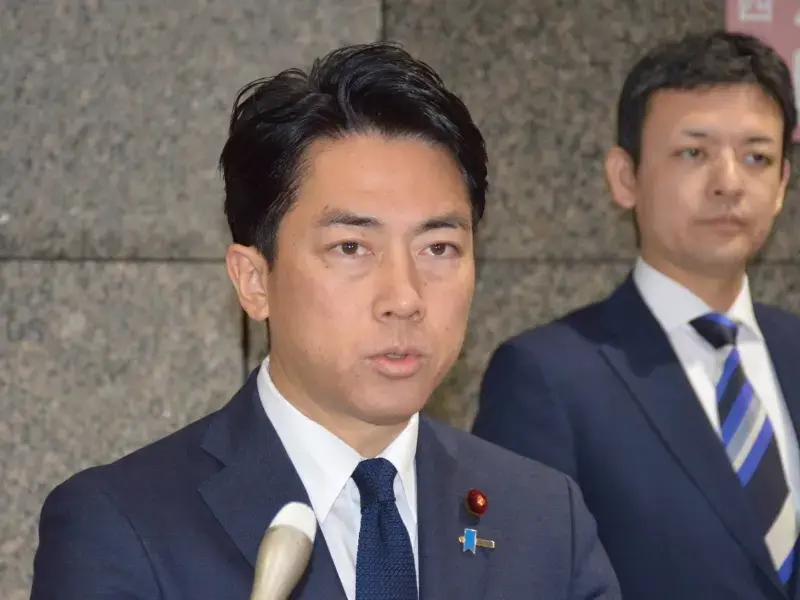
Japan’s Military Revival and North Korea’s Escalation: NATO’s New Indo-Pacific Challenge
As North Korea’s military cooperation with Russia intensifies, security dynamics in the Indo-Pacific and Europe are increasingly intertwined. Nguyen Bao Han Tran analyzes how these developments have accelerated Japan’s defence transformation and prompted NATO to rethink its engagement with Indo-Pacific partners, highlighting the growing importance of transregional security coordination.
Rupture and Fury: Can Canada Build a ‘Counter-Power’ Model of Cooperation in a World Reordered?
What future is there for the ‘middle powers’ in a global order increasingly defined by unilateralism and revisionism? In this article, Joel Sawyer examines Canada’s role in building a new ‘counter-power’ network to define a new model of international cooperation
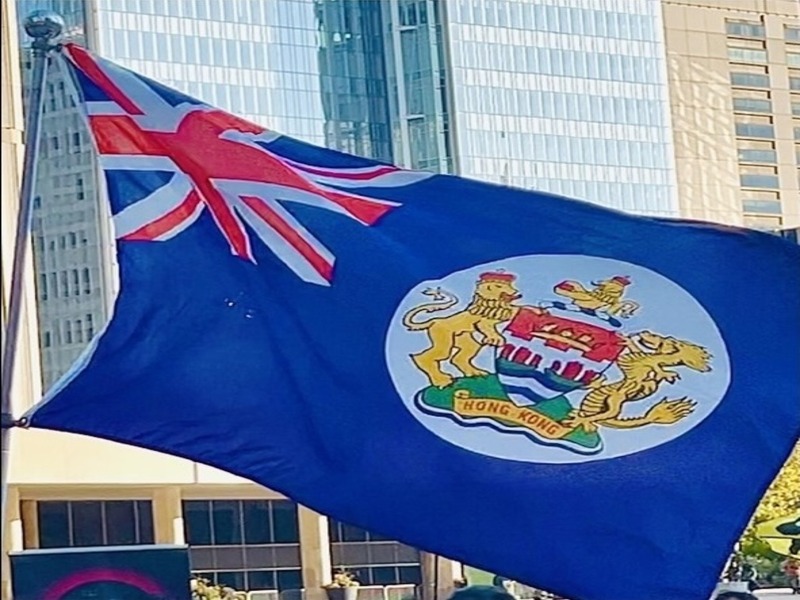
For Shame Upon the World: Lessons from the Crushing of Hong Kong
In June of 2025, Hong Kong Youth Activist Joshua Wong was brought in front of West Kowloon court to face more charges under China’s 2019 ‘National Security Law,’ which caused the 2020 protests so brutally repressed by the Chinese Communist Party. Accused of conspiring with fellow activist, and exile, Nathan Law to promote sanctions against China, Wong, Read More…
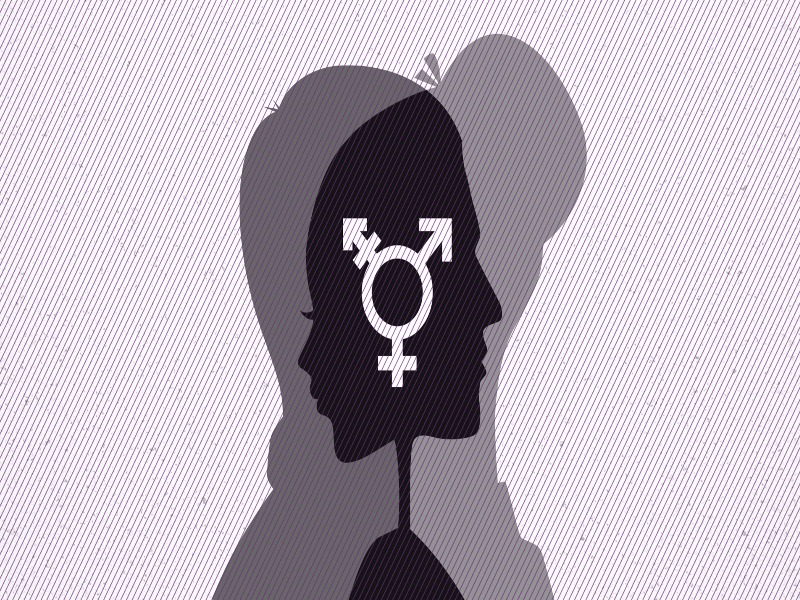
The Role of Government in Combating Gender-Based Disinformation
In July, 3 employees of TBH Skincare, an Australian brand, took part in a TikTok trend where participants described their physical attributes and pieces of clothing in a singsongy fashion. After the post went viral, various internet users began attacking the trend participants, with some insisting that they were the cause of the “downfall of Read More…
How Disinformation is Distorting Canada’s Climate Reality
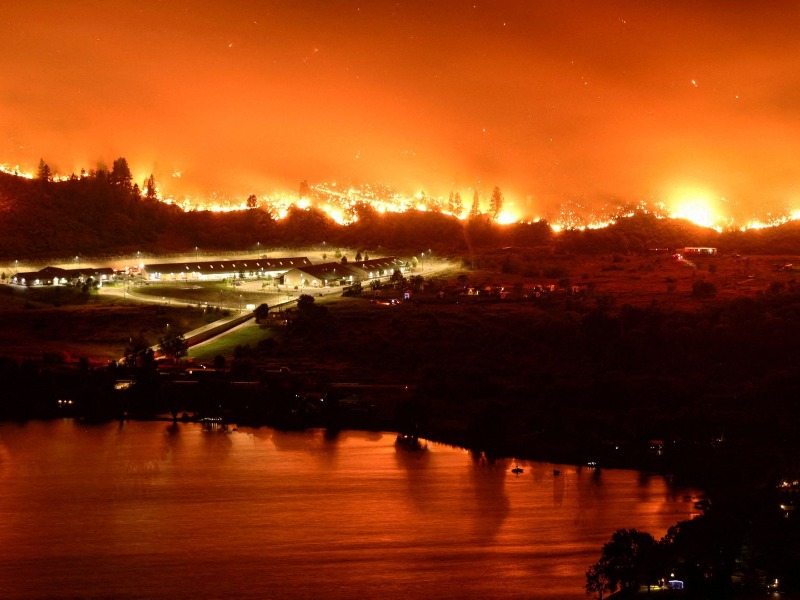
Extreme weather in Canada has become both an environmental challenge and an information crisis. As record-breaking wildfires, floods, and heatwaves sweep across the country, Canadians are confronted with accelerating climate impacts and a parallel surge in misinformation and greenwashing that obscures the causes of these events, distorts policy debates, and weakens democratic cohesion. In recent Read More…
Why We Believe: The Psychology of Misinformation and the Fragility of Collective Consciousness
In an age saturated with information, misinformation has become one of the most destabilizing forces shaping politics, public health, and democratic trust. Governments typically respond with reactive tools such as fact-checking units, content moderation policies, or regulatory reforms aimed at platform transparency. However, these strategies tend to overlook a deeper issue, which is that misinformation Read More…
How Disinformation Is Eroding the Skill of Democratic Conflict
Democracies survive on the ability of people to disagree without destroying the social fabric that binds them. However, in an era marked by rising mis- and disinformation, our collective capacity to navigate disagreement is deteriorating. While polarization is often viewed as a problem of belief, the deeper issue is that disinformation is changing the very Read More…
How Fakes Become Facts In Three Steps
Disinformation does not always need trolls or hackers. Sometimes it only needs an algorithm. Build fake sites, get them indexed, and boost them through social media and AI. That simple formula can turn fiction into something that looks like fact. “You can’t outshout disinformation. You have to outsmart it,” says Viktoriia Romaniuk, Deputy Editor of Read More…
Algorithmic Profit Disclosure Regulation: Corporate Responsibility for Disinformation
Increasingly, NATO countries have begun to describe digital media disinformation not as a discrepancy in communication between formal and informal state actors, but as a risk to national security. This shift is reflected in the Cyber Threat Assessment for Canada 2025, which notes that foreign state actors are using artificial intelligence (AI) to manipulate information, Read More…