Alors que l’OTAN concentre son attention sur les fronts oriental et indo-pacifique, le Canada a l’occasion de redéfinir son rôle sur un flanc sud souvent négligé. Cet article soutient qu’Ottawa peut renforcer la résilience nord-africaine par l’innovation plutôt que par l’intervention, en mobilisant DIANA Halifax et en renforçant les capacités pour des projets pilotes de lutte anti-drones et de surveillance maritime en Tunisie et en Mauritanie.
4. Programs
placeholder for programs
China’s Calculated Partnership: Decoding Beijing’s Alignment with Russia and NATO’s Strategic Response
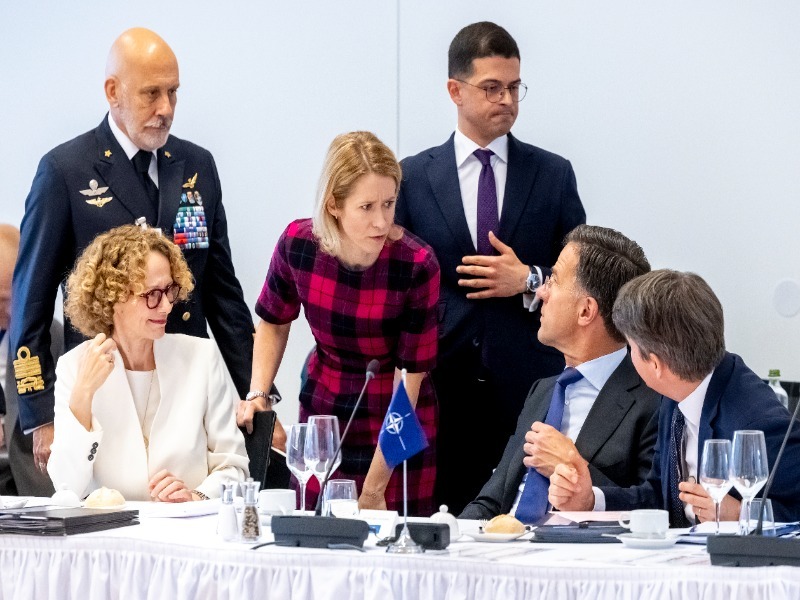
In “China’s Calculated Partnerships: Decoding Beijing’s Alignment with Russia and NATO’s Strategic Response,” Daniel Lincoln argues that Beijing’s support for Moscow stems from insecurity, not ideology, and that misreading this dynamic risks hardening a fragile partnership. The piece calls for a strategy of restraint and engagement – one that deters aggression while offering China reasons to distance itself from the Kremlin.
Challenges in National Response Mechanisms: Climate Change Related Disasters
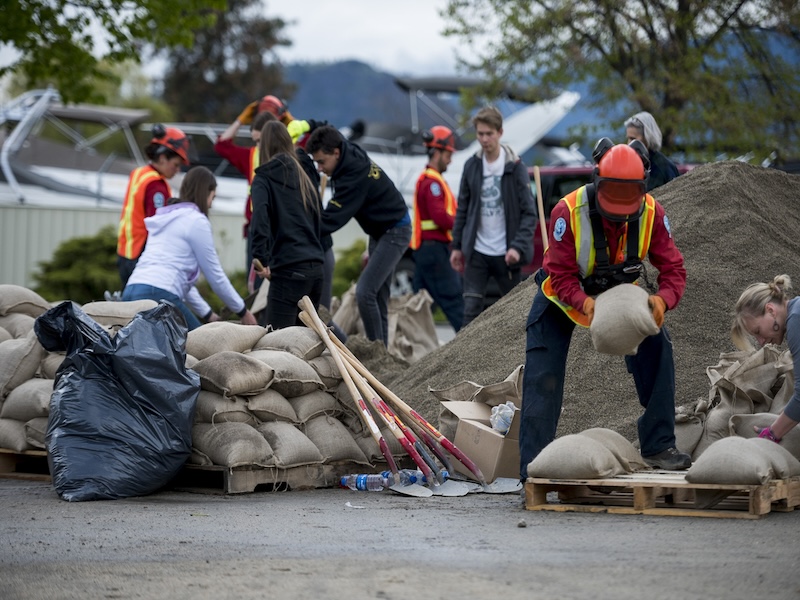
Canadian wildfires are observably intensifying throughout the country as discussed in my previous article. While it is extremely important to tackle this issue from the root cause through methodologies such as the Net Zero commitments and recent COP 29 negotiations, it is also important to analyze how disasters such as wildfires may be exacerbated by Read More…
Guns vs. Butter – Canada’s 5% Defence Expenditure Commitment
Canada’s ambitious pledge to raise defence spending to 5% of GDP by 2035 marks a decisive shift in national priorities. This analysis by Emma Zhang examines whether the Carney government can strike a balance between defence spending and social welfare, and turn defence investment into sustainable economic growth.
What NATO Forgot About Article II
As Russia’s war on Ukraine tests NATO’s resolve, and a looming alliance between China and other states opposed to NATO seeks to reshape the global order in its favour, NATO and its allies find themselves facing the most dangerous challenges of the 21st century. What does NATO mean to us? What was NATO built Read More…
Italy Anchors Azerbaijan’s Gas Push to Europe
Azerbaijan and Italy are tightening energy ties, and this is having system-wide Euro-Caspian effects. In September, it was reported that SOCAR agreed to acquire Italiana Petroli, one of Italy’s largest fuel retailers, pending approvals. This purchase does not add gas capacity on day one, but it does insert Azerbaijan directly into Italy’s downstream market, bringing Read More…
The 2025 NATO Summit and Its Implications for Indo-Pacific Security
In his latest piece, Alexander Morrow highlights how new NATO spending commitments strengthen security in both Europe and the Indo-Pacific. As the alliance rebalances burden sharing, European arms purchases have the potential to bolster the United State’s military industrial base and its ability to deter aggression against Taiwan.
Canadian Youth at the Intersection of Politics, NATO, and Disinformation
Many young Canadians today are encountering political narratives when scrolling through social media without ever opening a news site or turning on the television. These platforms, while sources of entertainment, are shaping how youth view politics, international institutions, and Canada’s role in the world. According to Statistics Canada, social media is the most common outlet Read More…
How state-sponsored cyber strategies are undermining Canada and the west
Cyberspace has become the new realm for battles to be waged, where state/non-state-sponsored groups are exploiting cyber vulnerabilities to control critical state sectors. Cyberattacks have escalated beyond espionage and financial theft to actions that constitute acts of war, endangering national and global security. Salt Typhoon and Volt Typhoon, People’s Republic of China (PRC) sponsored cybergroups, Read More…
Arctic Sovereignty through Airborne Surveillance: Canada’s Acquisition of Airborne Early Warning & Control (AEW&C) Systems
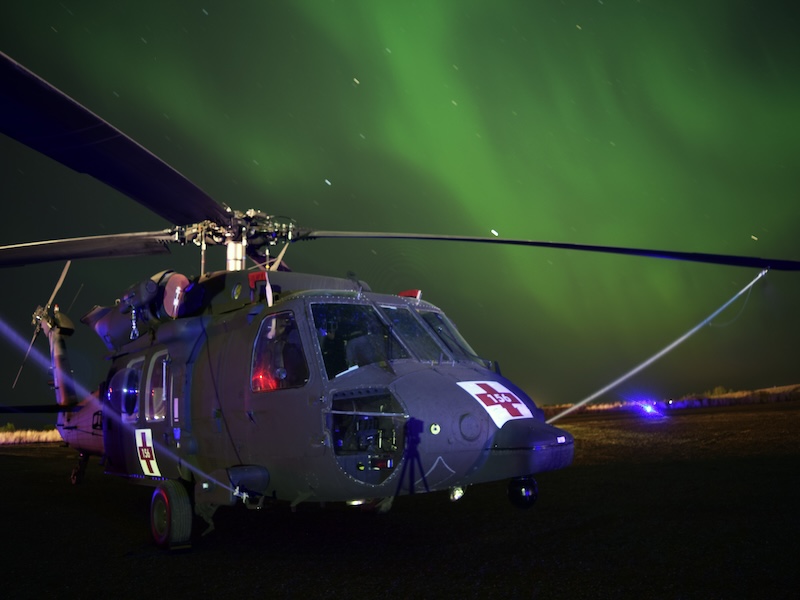
While Canada’s military is often seen as a strong and modern fighting force, it also lacks many assets that are key to ensuring defensive capabilities, including Northern surveillance. Canadian ambitions to acquire Airborne Early Warning and Control (AEW&C) aircraft will revolutionize Northern intelligence gathering in order to bolster NORAD’s effectiveness and Canadian sovereignty. The Canadian Read More…