placeholder for programs

Centre For Disinformation Studies

Canadian Youth at the Intersection of Politics, NATO, and Disinformation

Many young Canadians today are encountering political narratives when scrolling through social media without ever opening a news site or turning on the television. These platforms, while sources of entertainment, are shaping how youth view politics, international institutions, and Canada’s role in the world. According to Statistics Canada, social media is the most common outlet Read More…


Amila Sadic Cyber Security and Emerging Threats

How state-sponsored cyber strategies are undermining Canada and the west

Cyberspace has become the new realm for battles to be waged, where state/non-state-sponsored groups are exploiting cyber vulnerabilities to control critical state sectors. Cyberattacks have escalated beyond espionage and financial theft to actions that constitute acts of war, endangering national and global security. Salt Typhoon and Volt Typhoon, People’s Republic of China (PRC) sponsored cybergroups, Read More…

NATO and Canada

Arctic Sovereignty through Airborne Surveillance: Canada’s Acquisition of Airborne Early Warning & Control (AEW&C) Systems

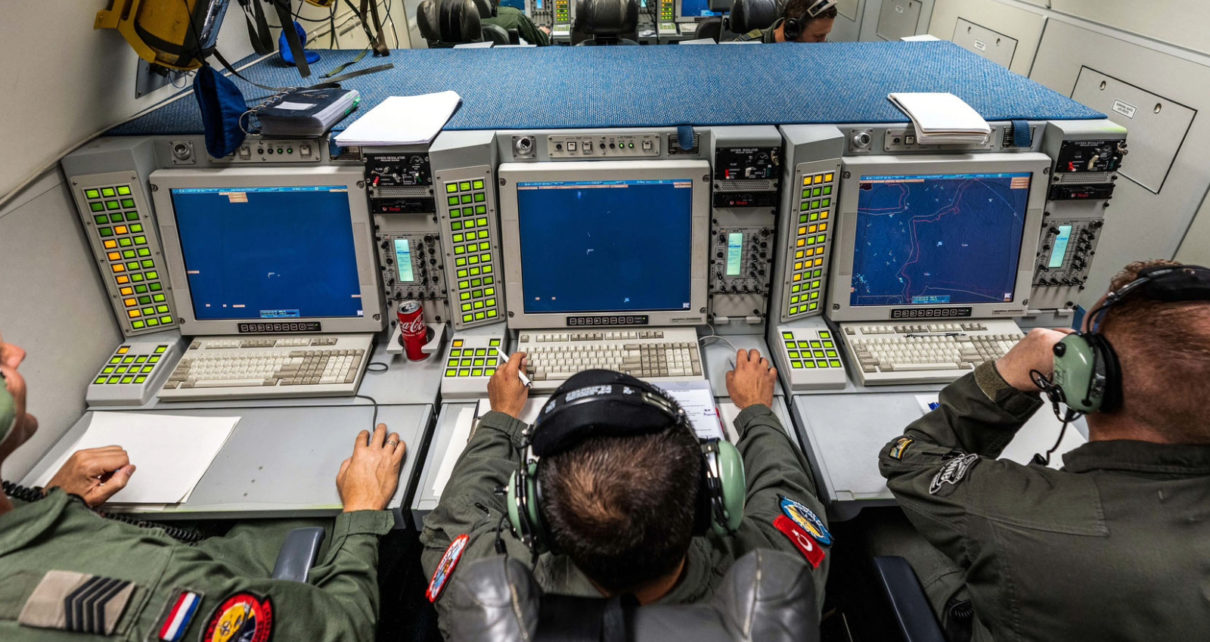
While Canada’s military is often seen as a strong and modern fighting force, it also lacks many assets that are key to ensuring defensive capabilities, including Northern surveillance. Canadian ambitions to acquire Airborne Early Warning and Control (AEW&C) aircraft will revolutionize Northern intelligence gathering in order to bolster NORAD’s effectiveness and Canadian sovereignty. The Canadian Read More…

Centre For Disinformation Studies

The Instrumentalization of Disinformation in the US-Canada Trade War

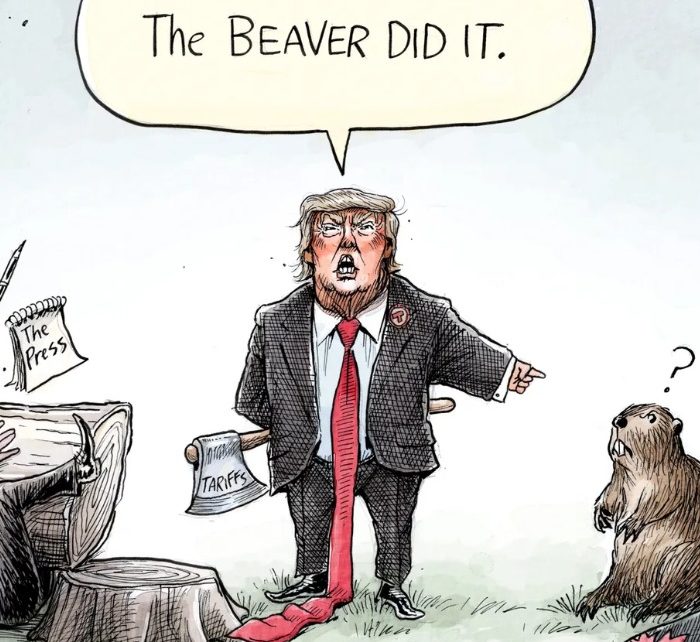
The trade relationship between Canada and the United States of America (U.S.A) is one of the largest and most integrated in the world, with the combined value of imports and exports between both countries exceeding the $1 trillion mark for the third consecutive year in 2024. Additionally, Canada is the U.S.A.’s most significant export recipient, Read More…

China Indo-Pacific and NATO Ukraine

Strategic Myopia: The Folly of Tariffing China to Halt Russian Aggression in Ukraine

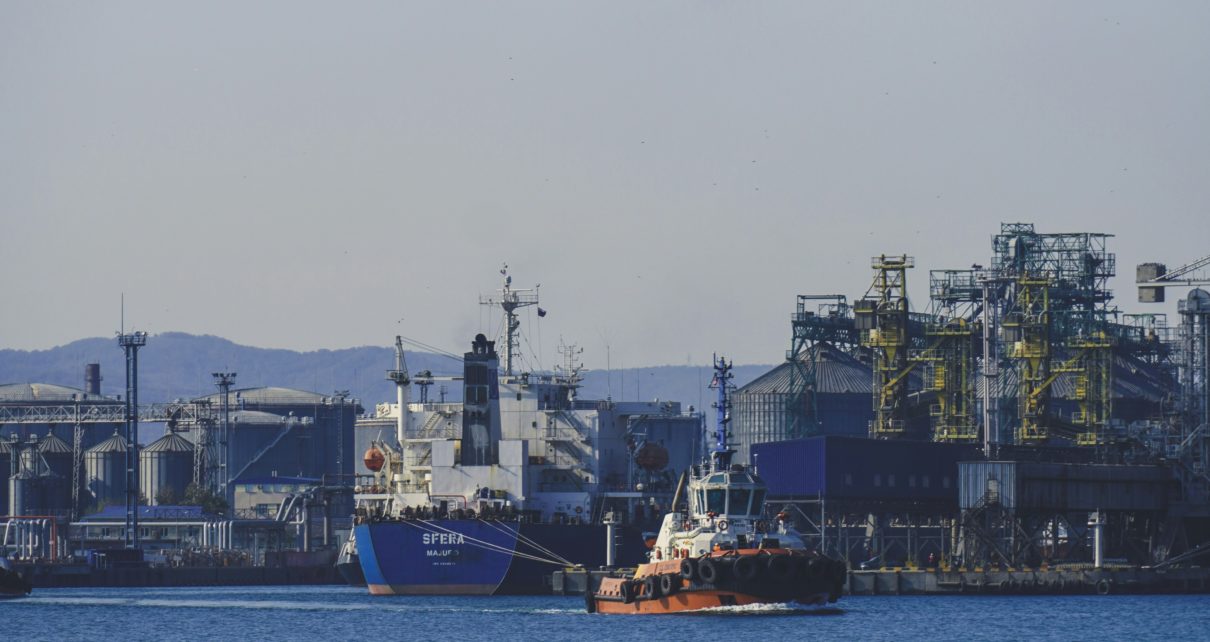
In Strategic Myopia: The Folly of Tariffing China to Halt Russian Aggression in Ukraine, Daniel Lincoln argues that proposed secondary sanctions on China would backfire by hurting Western economies more than Beijing. Drawing on data and historical parallels, he contends that China’s vast domestic market, diversified trade networks, and resilience to sanctions make economic coercion ineffective. Instead, he maintains that NATO should focus on understanding Beijing’s strategic calculus and pursue policies that engage rather than alienate China.

Environment, Climate Change, and Security

US Military Climate Policy and Key Lessons for NATO

The United States military is the premier force in the NATO alliance. To uphold regional security alongside its NATO allies, it operates bases in over 80 countries around the globe. However, this power comes at a considerable environmental cost. The US military emitted  ~48 million megatons of CO2 in 2023 alone. This high consumption of fossil fuel Read More…

Security, Trade and the Economy

Vaccine Nationalism and COVID-19: Lessons for Future Pandemics

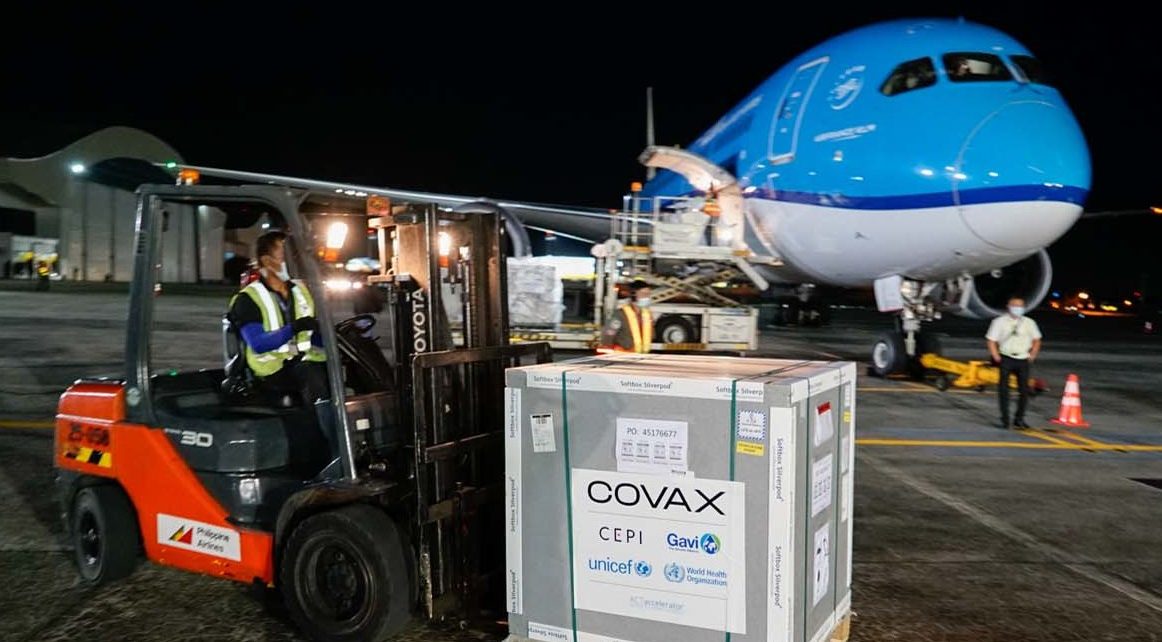
Harvard epidemiologist Caroline Buckee has warned that another pandemic is “just a matter of time.” The question is whether Canada and its allies will be better prepared when the next global health crisis arrives. One of the clearest failures of the global response to COVID-19 was the scramble for vaccines. In 2020, Canada lacked domestic Read More…

Security, Trade and the Economy

Sanctions and Security: Costs of Canada’s Global Credibility

When Canada sanctions Russia, it’s about defending peace and security. When Canada sanctions Russia, it’s also about your bill at the gas pump and how Ottawa allocates your tax dollars. In 2025, Ottawa faces a strategic triangle: enforcing sanctions to uphold NATO and trans-atlantic unity, funding growing defence commitments, and keeping life affordable for Canadians. Read More…

Security, Trade and the Economy

NATO’s Resilience Agenda and Canada’s Agri-Food Reliability

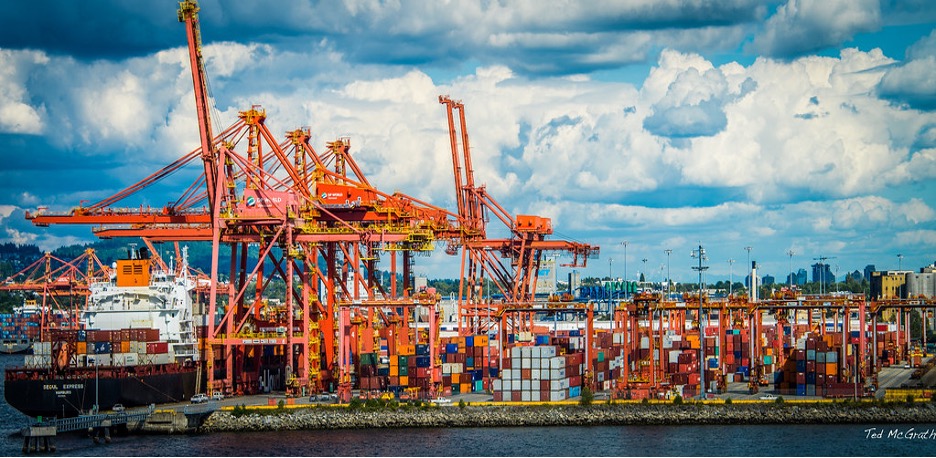
Imagine a coordinated cyberattack takes down the Port of Vancouver’s logistics systems. Ships can’t unload. Trains can’t be loaded. Grain shipments to Asia stop dead, and critical imports can’t get through. This scenario illustrates the kind of real-world threat that NATO now considers a core security challenge, compelling Canada and its allies to rethink the Read More…

Esha Grewal Society, Culture, and Security

More than a game: Canada’s strategic opportunities with the 2026 FIFA World Cup

As the 2026 FIFA World Cup slowly approaches, fans and human rights groups alike are campaigning against matches hosted on US soil. Targeted immigration policies and discrimination against the LGBTQ+ community are some of the concerns raised by groups for the upcoming global event. For some, the policies of the Trump administration pose a significant Read More…