“The digitization of banking has radically transformed what it means to rob a financial institution. North Korea, a country strapped for cash and with little to lose, is leading the world when it comes to the emerging art of cyberheists.”

The NAOC’s Cyber Security and Emerging Threats Program features an in-depth analysis of latest trends, developments, and threats in international security. New security concerns are always on the horizon and our program seeks to examine these domains including global warming, natural resources, drones, urban conflicts, and cyberspace.
The program’s mandate is to keep Canadians informed on these rapidly developing and increasingly pivotal realms that are integral to all aspects of security.
“The digitization of banking has radically transformed what it means to rob a financial institution. North Korea, a country strapped for cash and with little to lose, is leading the world when it comes to the emerging art of cyberheists.”
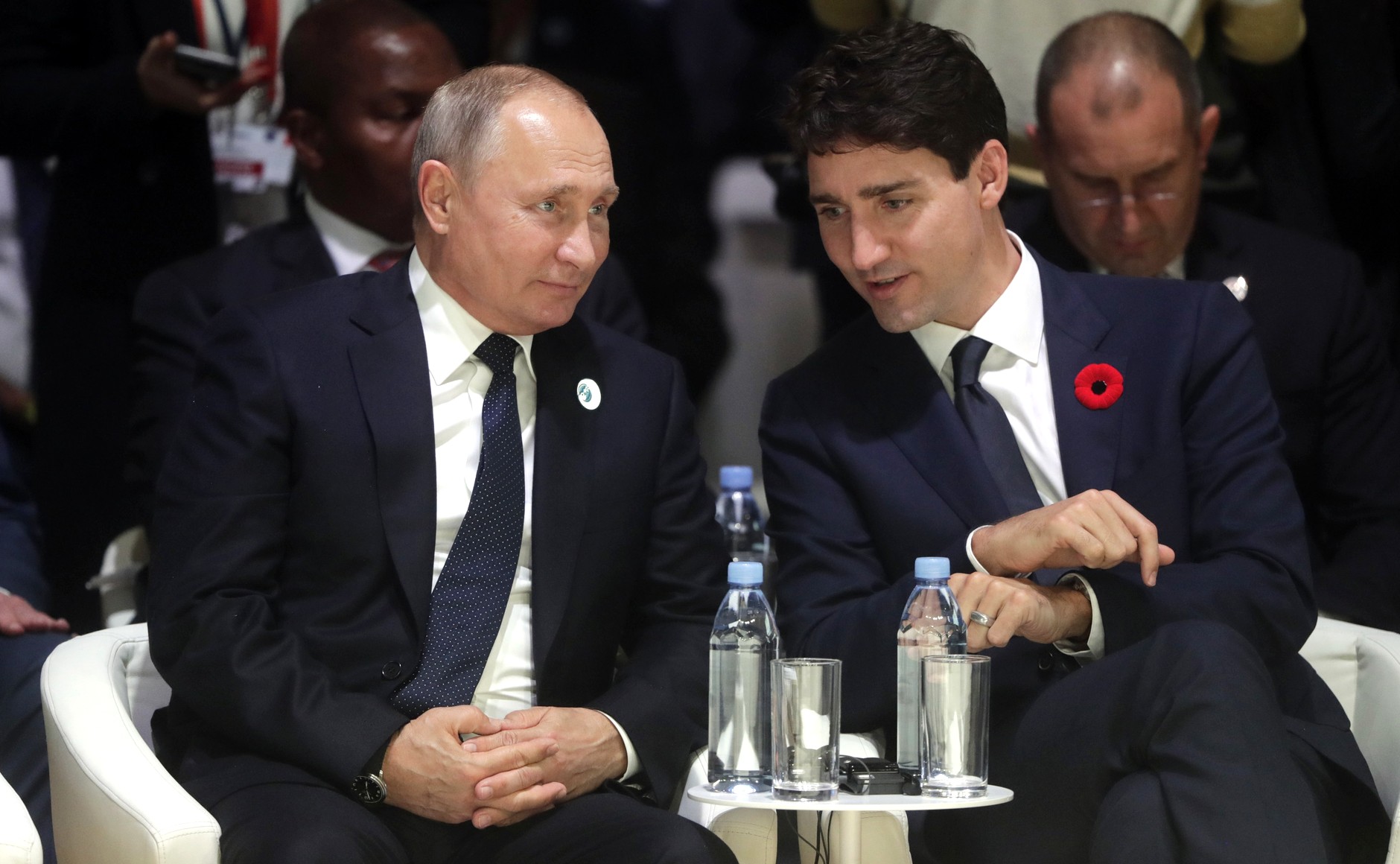
Demyan Plakhov analyzes the current bilateral relationship between Canada and Russia. He outlines areas of discontent that have increased tensions between the two countries, but also indicates certain areas of cooperation where Canada and Russia could find potential diplomatic footing. Demyan’s recommendations provide Canada with potential solutions in reducing bilateral tensions and create a foundation for a diplomatic future.”

Russia needs a distinct worldview that it can use to rationalize alliances both near and far. With the rise of geopolitical homophobia, LGBT people are becoming the tools and victims of Russia’s new “traditional values” system.

In response to a constitutional court decision that mandated marriage equality, Taiwan held a referendum which showed popular opposition to adjusting current marriage laws. Adam Zivo explains how this debate evolves might have some surprising implications on East Asian geopolitics.

In this article, Analyst and Editor Ryan Atkinson outlines the pervasive surveillance technologies used by the Gadhafi regime to spy on Libya’s population. Previously secret archives discovered after the fall of Tripoli in 2011 reveal the extent of the export of such technologies to the regime by foreign corporations.
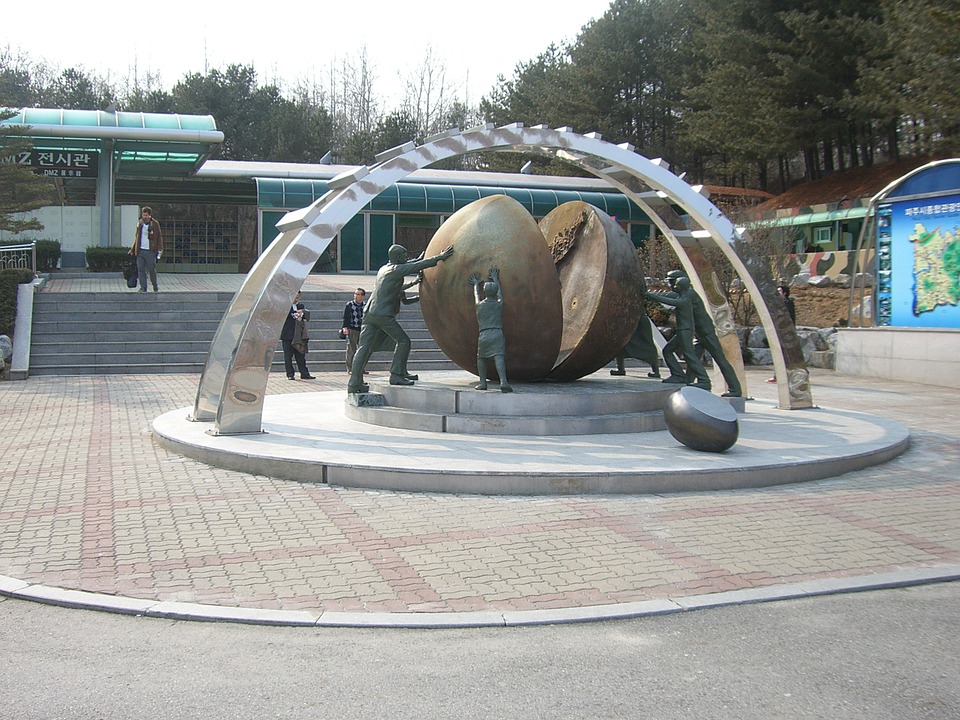
NATO has always been a collective defence organization, aimed at repelling an external threat to Alliance members. However, ever since the Harmel Report of 1967, and certainly since the end of the Cold War, NATO’s purview has widened to include a much more prominent diplomatic role, related to a much broader understanding of what constitutes a security concern, without compromising its original mission. Changsung Lee considers whether this latter-day understanding of NATO’s purpose might serve as a template for a future multilateral security structure in Northeast Asia that could facilitate a rules-based order in that region, and perhaps help catalyze the reunification of the Korean Peninsula.

In this article, Sivan Ghasem examines the growing importance and relevance of water (in)security in Canada and the world.

In this special report, Ryan Atkinson outlines the problem disinformation poses to NATO, including an overview of the major steps member states are taking to counter the evolving threat.

The Arab Spring threw a wrench into Egypt’s promising liquified natural gas (LNG) industry. Now, with stability returned to that country and the discovery of new gas deposits in the Nile littoral, Egypt is poised to become a major source of energy to the E.U. market. As auspicious as this sounds, it raises the stakes in an already volatile region marked by militarization and beset by inter-state strife and transcontinental tension.

In this article, Junior Research Fellow Maryse Kiese analyzes Canada’s contribution to NATO’s cyber defence strategy by shedding the light on its national approach to improve cyber security and deter cyber criminals.