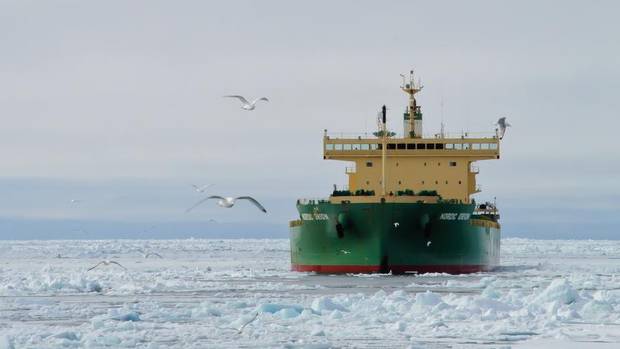
Frederick Pai explores the implications of the reopening of the Northwest Passage
On the ground, in the air and on the water, the men and women of the Canadian Armed Forces stand watch over the country and defend its interests at home and abroad. The Canadian Armed Forces Program aims to provide an in-depth analysis of the issues facing Canadian soldiers across all branches of the military in order to give Canadians varying perspectives on the men and women who defend their country.
Frederick Pai explores the implications of the reopening of the Northwest Passage
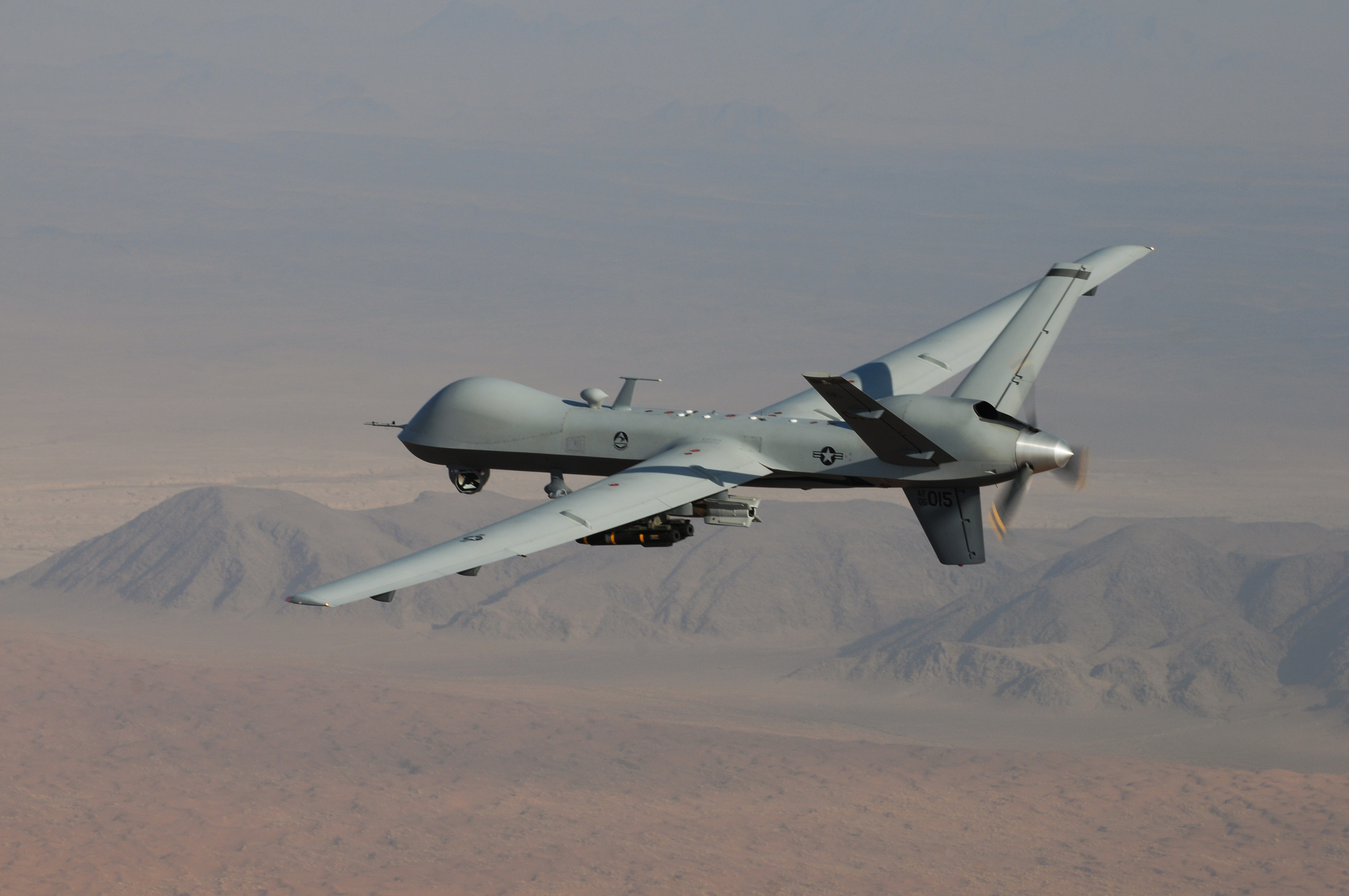
Misha Boutilier examines Canada’s military capacity
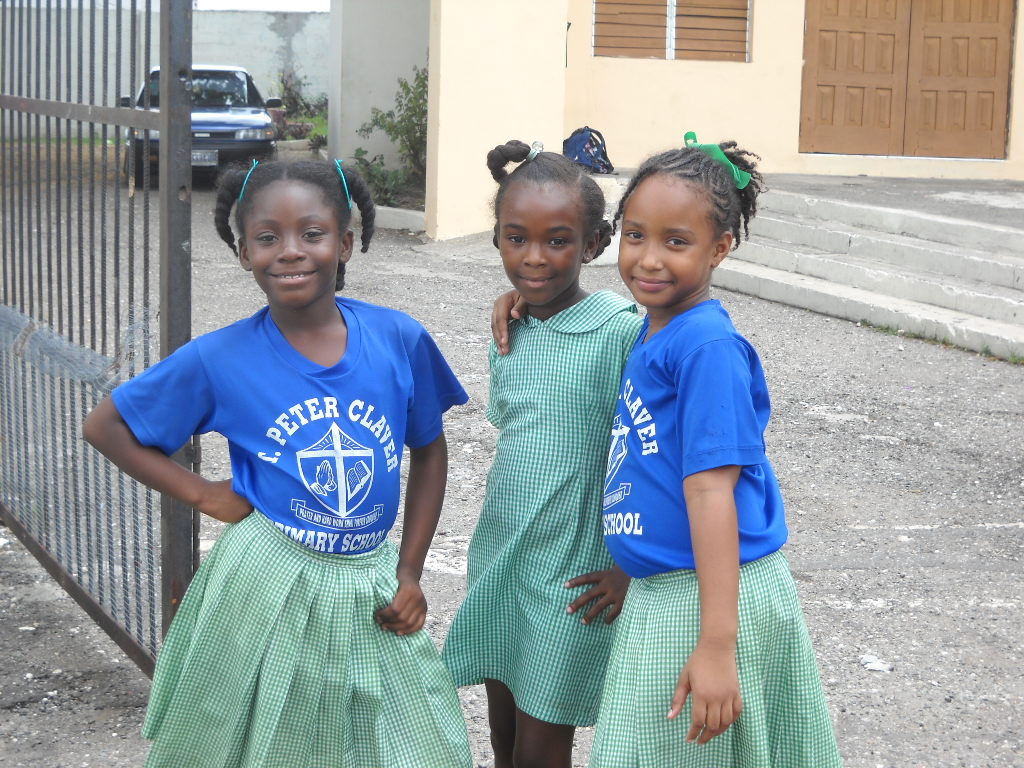
Brenna Owen explores the educational crisis in Jamaica and emphasizes the essentiality of educational reform to establishing Jamaican economic independence and healing cultural divides.
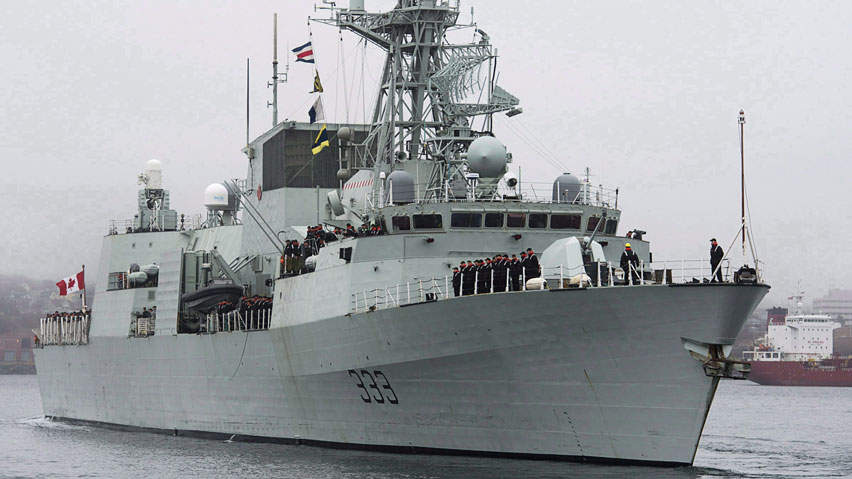
Jasen Sagman discusses the risks and repercussions that a U.S.-led strike on Syria would have on Canadian lives and interests in the region.
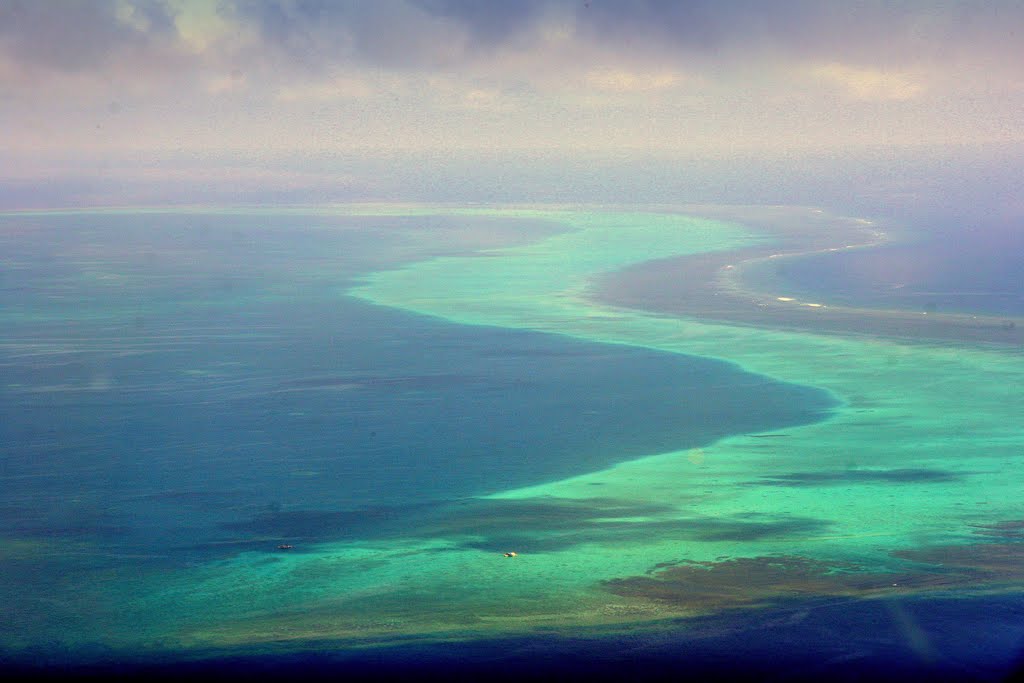
Hayden Rodenkirchen explores the territorial disputes in the South China Sea in light of the Canadian Arctic
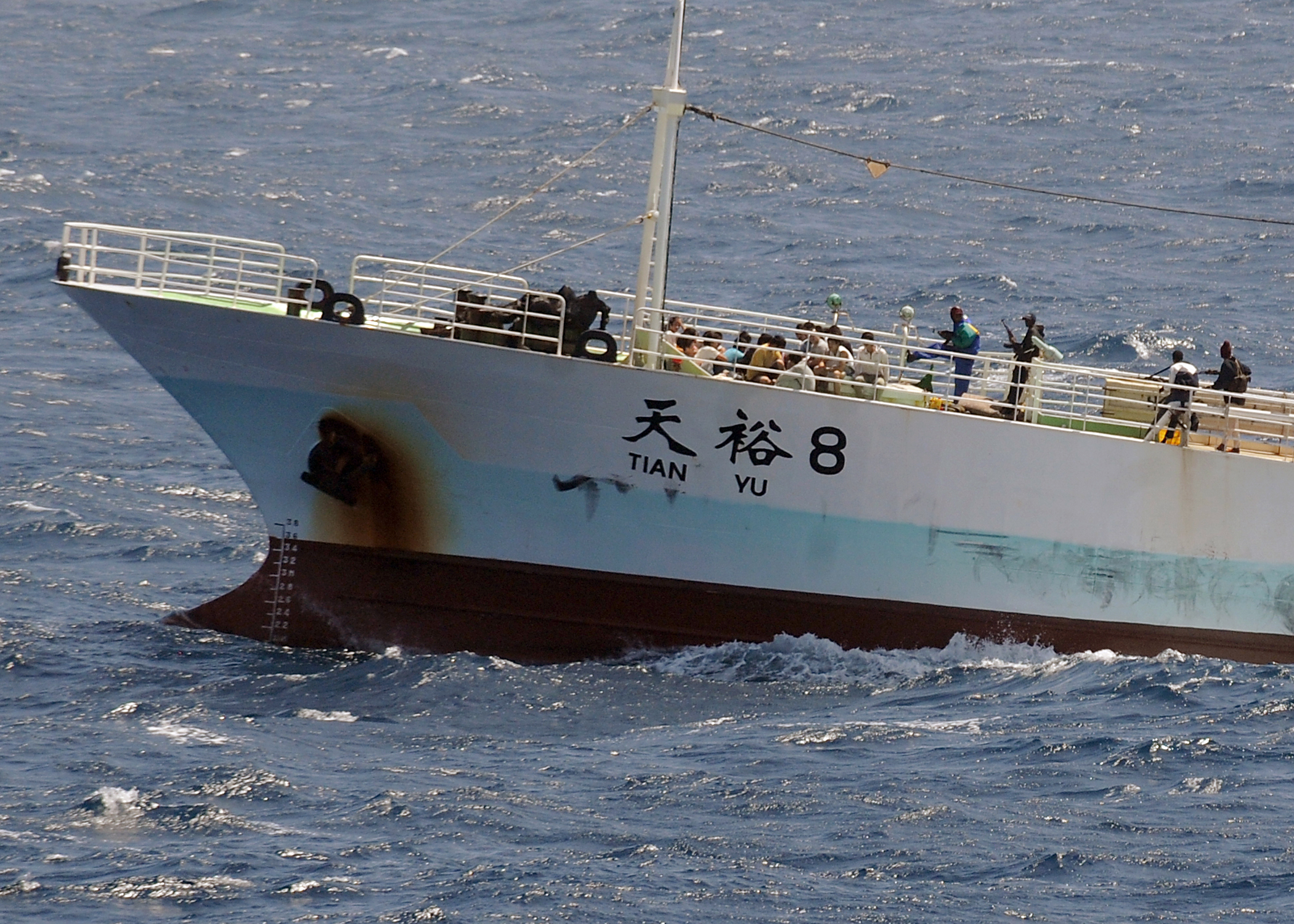
Hamza Salahuddin analyzes Japan’s recent counter-piracy efforts.
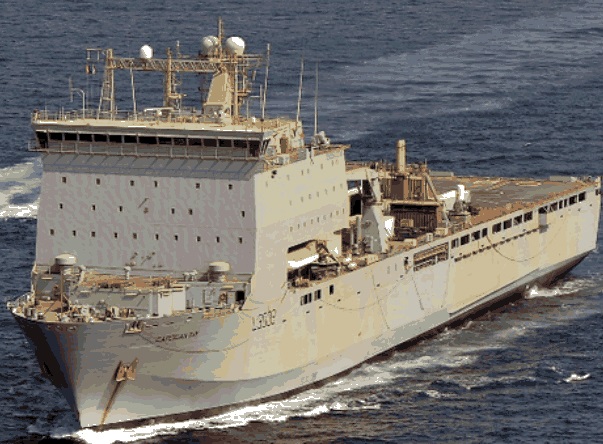
Following the announcement that Canada supports but will not participate in a Syrian intervention, Paul Pryce suggests revisiting the Amphibious Assault Ship Project
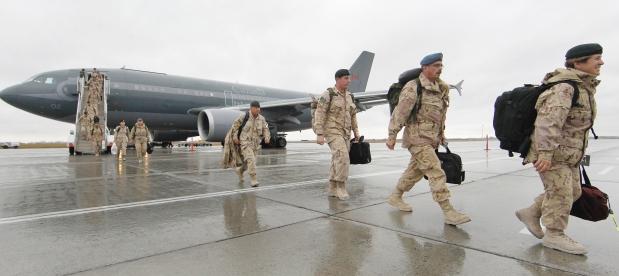
Allyson Haarstad on programs aimed at hiring veterans
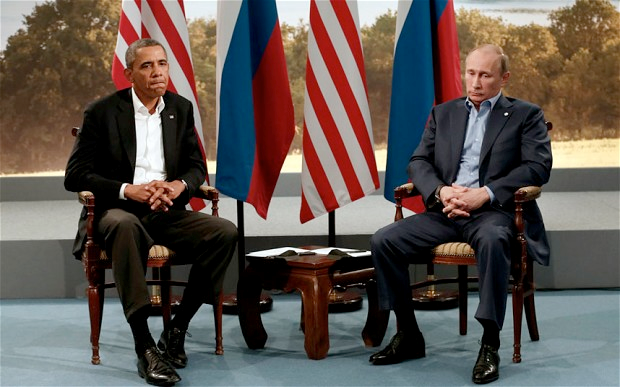
Sarah Danruo Wang analyzes Russian President Vladimir Putin’s op-ed in The New York Times.
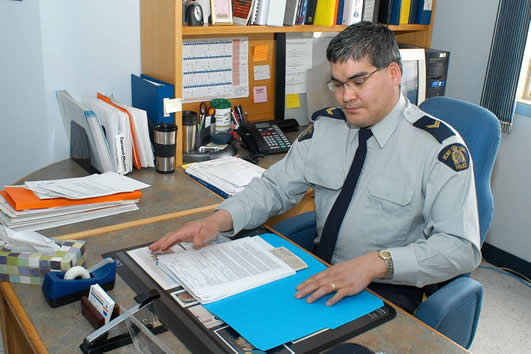
Sandra Song on the challenges of employment protection for CF Reservists.