A list of authors, past and present
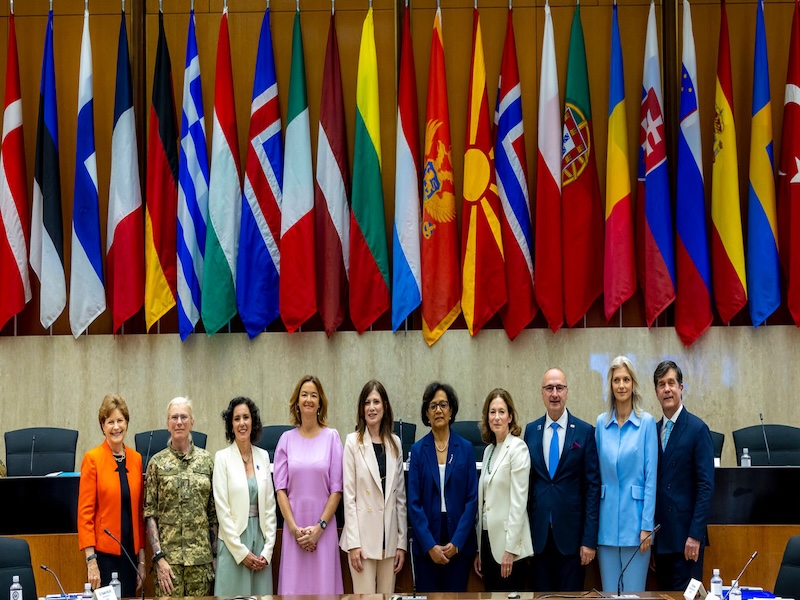
This article explores how international human rights law, through the CEDAW treaty, can help strengthen NATO’s Women, Peace, and Security (WPS) agenda. It looks at how CEDAW’s legal obligations can support NATO’s goals by adding stronger accountability for member countries. Using Canada as an example, the piece shows how combining legal commitment with political action can make real progress toward equality and women’s roles in peace and security.
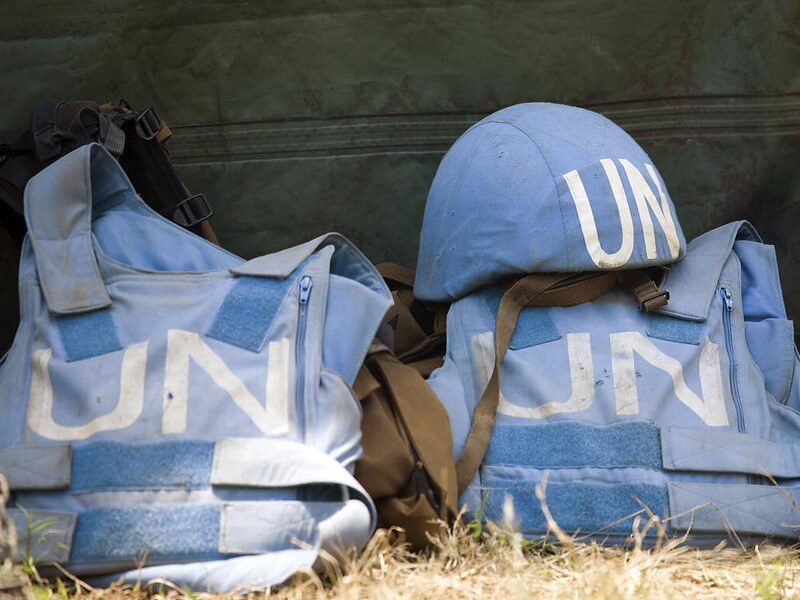
For many Canadians, peace and humanitarian operations evoke familiar images: soldiers protecting civilians in conflict zones, medics tending to refugees, and pilots delivering aid under fire. These stories, often marked by courage, restraint, and a quiet sense of duty, have become part of how Canadians understand themselves and their country’s place in the world. They Read More…
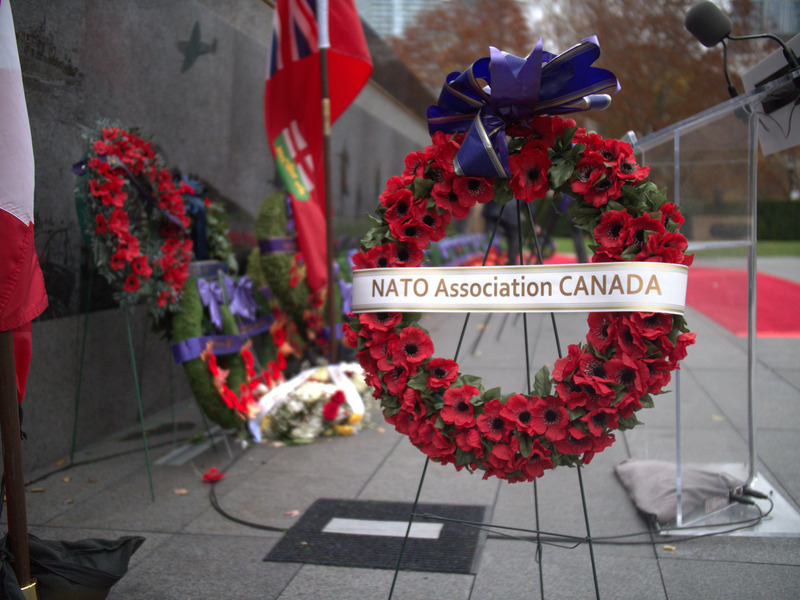
On November 11th, Canadians and their European allies observe Remembrance Day or Armistice Day, honouring those who sacrificed their lives in the World Wars and serving as a reminder of why maintaining the capability to fight remains important. For Canada, an extraordinary sacrifice was made in solidarity with the British. In a subtle display of Read More…
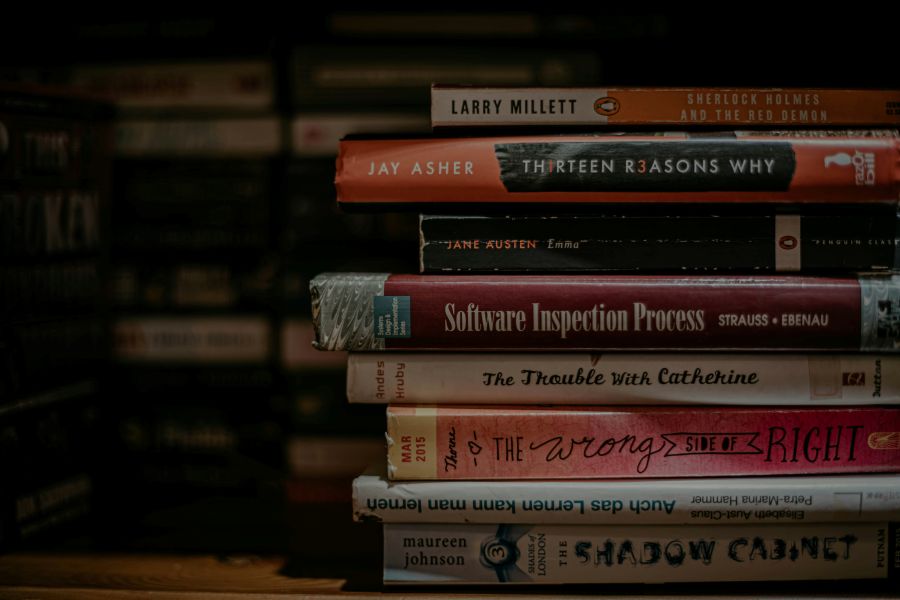
Alberta’s latest directive on books has turned heads nationally. But what does it mean for Canadian security? In this article, author Esha Grewal discusses how Alberta’s book ban is a part of the larger, growing trend of divisive policies among NATO countries that threaten social cohesion.
As Russia’s war on Ukraine tests NATO’s resolve, and a looming alliance between China and other states opposed to NATO seeks to reshape the global order in its favour, NATO and its allies find themselves facing the most dangerous challenges of the 21st century. What does NATO mean to us? What was NATO built Read More…
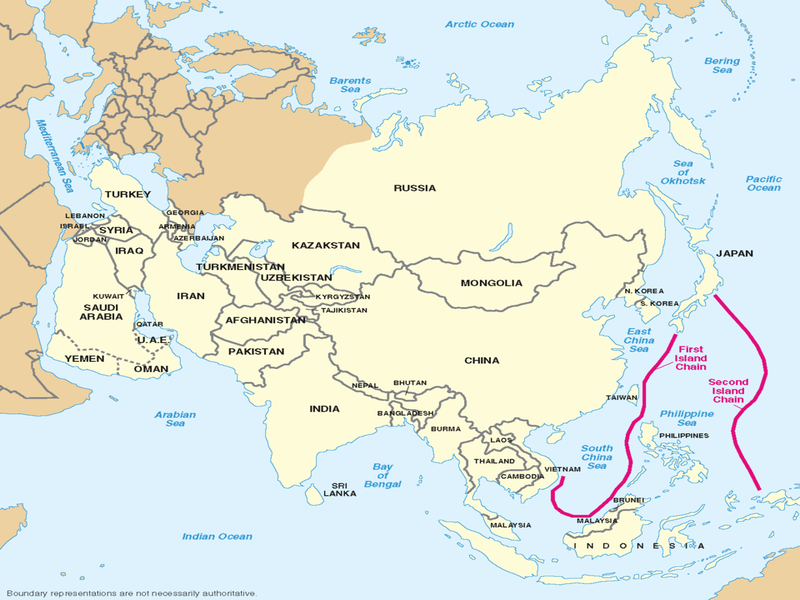
In his latest piece, Alexander Morrow highlights how new NATO spending commitments strengthen security in both Europe and the Indo-Pacific. As the alliance rebalances burden sharing, European arms purchases have the potential to bolster the United State’s military industrial base and its ability to deter aggression against Taiwan.
As the 2026 FIFA World Cup slowly approaches, fans and human rights groups alike are campaigning against matches hosted on US soil. Targeted immigration policies and discrimination against the LGBTQ+ community are some of the concerns raised by groups for the upcoming global event. For some, the policies of the Trump administration pose a significant Read More…
Canada is a hotspot of money laundering from the Indo-Pacific region. In his new article, Rubiat Saimum is explaining why Canada should treat money laundering as a national security priority and strengthen institutional ties with Indo-Pacific nations to address it.
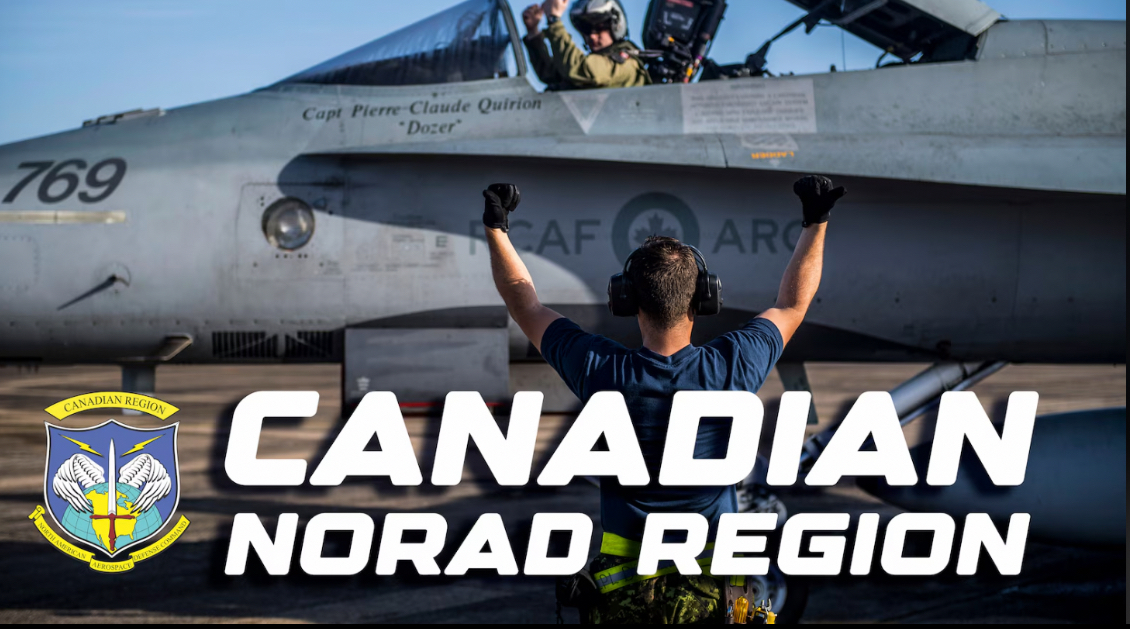
NORAD began as a Cold War commitment between Canada and the United States to safeguard the skies and protect the North. Today. it has become a stage for Russia’s military expansion, China’s growing ambitions, and emerging threats that outdated systems can no longer reliably detect. The modernization of NORAD goes beyond new radar and missile defence technology, it reflects a broader commitment to protecting sovereignty and ensuring Canadians recognize that the Artic is no longer a remote frontier, it is the front line of our collective security and future.
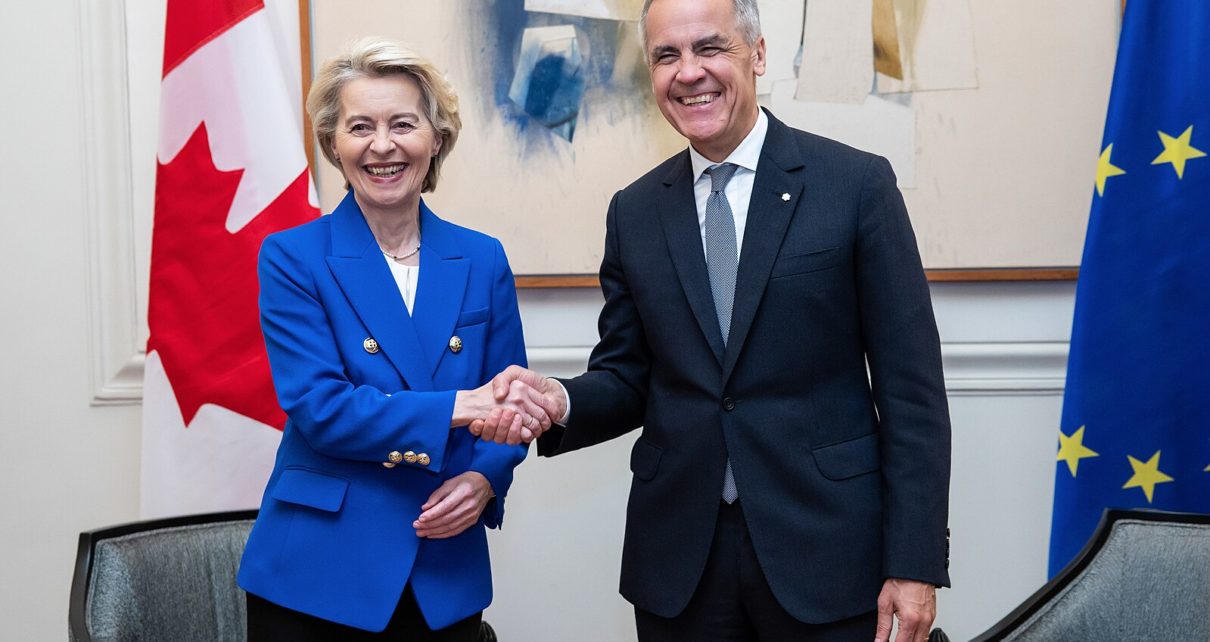
Canada’s new Security and Defence Partnership (SDP) with the EU is a historic step toward deeper transatlantic defence ties, but its impact will depend on more than just participation. To move from ally to actor, Canada must navigate complex EU governance, negotiate meaningful access, and build long-term institutional presence.