Raphael Racicot is a professional working in international affairs and defence policy. He is pursuing a Master's in International Relations at the Norman Paterson School of International Affairs at Carleton University. He is a Young Professional Fellow at the Asia-Pacific Foundation of Canada. His work has been published by War on the Rocks, NATO's Allied Command Transformation, the Center for International Governance and Innovation, and the Conference of Defence Associations Institute.
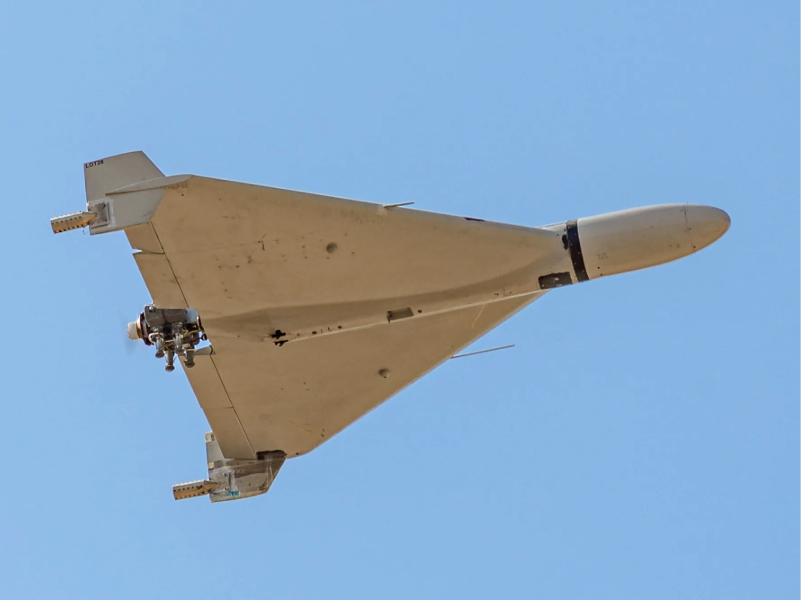
In recent months, there has been a growing number of incursions of NATO airspace by Russian drones. These drone incursions constitute an escalation in Russia’s hybrid warfare against Europe, which has for years sought to erode the NATO alliance, disrupt Eastern European states, and most recently interfere with the continent’s support for Ukraine. For Canada, this drastic uptick in grey-zone aggression should not be taken lightly, as it displays Moscow’s willingness to upset European security.
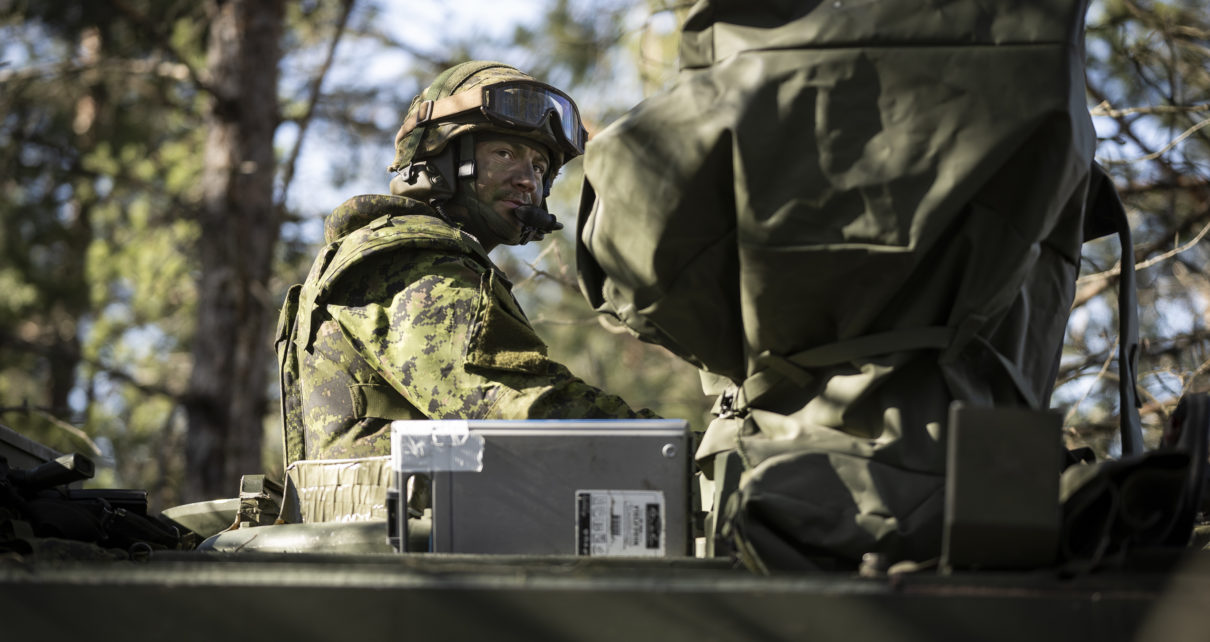
Eight years after the start of Canada’s mission to Latvia, Ottawa continues to increase its commitment to the NATO multinational formation. Arguably, this is the most important component of Canada’s defence policy and a key part of the country’s foreign policy. The enhanced forward presence brigade led by Canada is one of several formations which serve to deter Russian aggression. These ‘tripwire forces’ aim to ensure that in the event of a Russian attack, many member states would be involved, guaranteeing a general response from the alliance. Beyond this, Canada’s leadership serves as a strong example of the country’s value to the alliance and reassures allies that they would not be abandoned in the event of war.
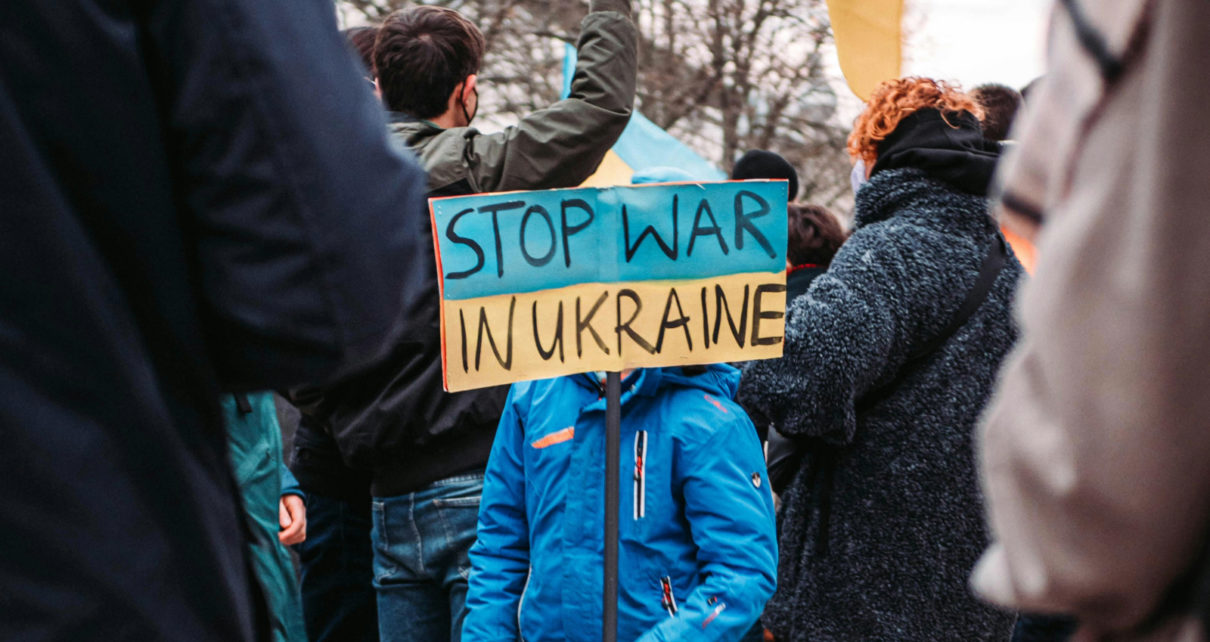
Why is there no prospect for peace in Ukraine, despite the war now closing in to its fourth year? Moscow and Kyiv simply do not have common ground on which to build an agreement. This is unlikely to change so long as the current quasi-stalemate continue and Russia believes it can achieve its aims.