


NATO Association of Canada
The mission of NATO Association of Canada is to promote peace, prosperity, and security through knowledge and understanding of the importance of NATO.
We strive to educate and engage Canadians about NATO and NATO’s goal of peace, prosperity and security. NATO Association of Canada ensures that we have an informed citizenry able to contribute to discussions about Canada’s role on the world stage.
As a leading member of the Atlantic Treaty Association (ATA), NATO Association of Canada has strong and enduring ties with sister organizations in many of the alliance countries, as well as members of NATO’s “Partnership for Peace” and “Mediterranean Dialogue” programmes. The NAOC has had a leading role in the recent transformation and modernization of the ATA, and helped to create and develop the Youth Atlantic Treaty Association (YATA).
The NAOC has strong ties with the Government of Canada including Global Affairs Canada and the Department of National Defence. We are constantly working to create and maintain relationships with international organizations such as the World Bank Group, the European Bank of Reconstruction and Development, NATO Headquarters, the International Criminal Court, and other prominent international NGOs and think tanks.
Related Articles

A New Wave of Understated German Pragmatism
Posted on Author Brian Su
Brian Su investigates Germany’s emerging foreign policy (or lack thereof)
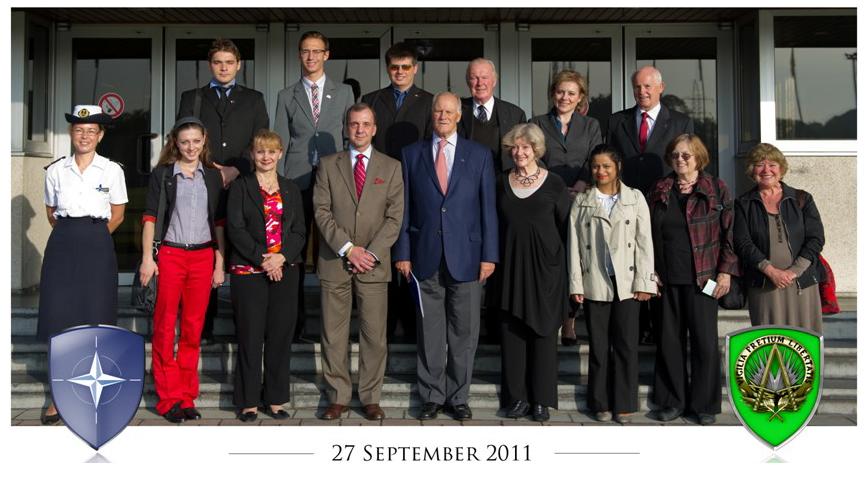
2011 NATO Study Tour – September 24 – October 1
Posted on Author NATO Association of Canada
A study group headed by the Honourable Bill Graham recently returned from the NATO Council of Canada’s annual NATO Tour, an enthralling weeklong excursion to both Brussels and Paris. The delegation combined insight from a variety of fields, bringing together NCC interns and members of the business, military, and diplomatic com-munities. The tour offered participants Read More…

The Bush Market
Posted on Author Vivek Prabhu
Vivek Prabhu examines the American black market of Afghanistan.