

NATO Association of Canada
The mission of NATO Association of Canada is to promote peace, prosperity, and security through knowledge and understanding of the importance of NATO.
We strive to educate and engage Canadians about NATO and NATO’s goal of peace, prosperity and security. NATO Association of Canada ensures that we have an informed citizenry able to contribute to discussions about Canada’s role on the world stage.
As a leading member of the Atlantic Treaty Association (ATA), NATO Association of Canada has strong and enduring ties with sister organizations in many of the alliance countries, as well as members of NATO’s “Partnership for Peace” and “Mediterranean Dialogue” programmes. The NAOC has had a leading role in the recent transformation and modernization of the ATA, and helped to create and develop the Youth Atlantic Treaty Association (YATA).
The NAOC has strong ties with the Government of Canada including Global Affairs Canada and the Department of National Defence. We are constantly working to create and maintain relationships with international organizations such as the World Bank Group, the European Bank of Reconstruction and Development, NATO Headquarters, the International Criminal Court, and other prominent international NGOs and think tanks.
Related Articles

Gender Equality in Education
Posted on Author Kristina Grinshpoon
Kristina Grinshpoon on gender inequality in the education system.
From Central Asia with Love and Remittances
Posted on Author Michael Oshell
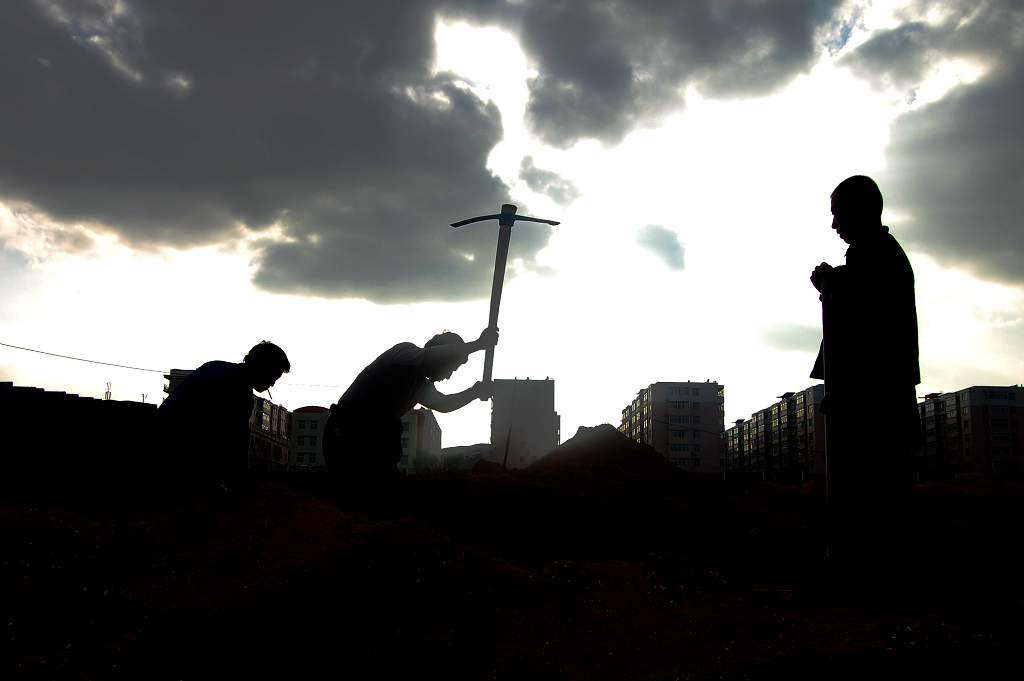
Research Analyst Michael Oshell explores Central Asia’s dependence on foreign remittances.
Asia-Pacific
Development
Energy & Resources
Indo-Pacific and NATO
International Relations
Investment
Beneath the Surface: China’s Deep-Sea Diplomacy in the Pacific Ocean
Posted on Author Narayan Srivastava
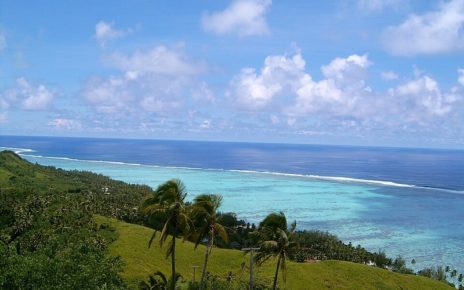
In this article, Narayan Srivastava examines how China’s accelerating push into deep-
sea mineral partnerships across the Cook Islands, Kiribati, and Tonga is reshaping the
South Pacific’s strategic balance. The article also highlights emerging vulnerabilities for
Canada and NATO in critical mineral supply chains. The piece evaluates how Pacific
resource politics now intersect with broader questions of regional dependence, maritime influence, and great-power competition.