

NATO Association of Canada
The mission of NATO Association of Canada is to promote peace, prosperity, and security through knowledge and understanding of the importance of NATO.
We strive to educate and engage Canadians about NATO and NATO’s goal of peace, prosperity and security. NATO Association of Canada ensures that we have an informed citizenry able to contribute to discussions about Canada’s role on the world stage.
As a leading member of the Atlantic Treaty Association (ATA), NATO Association of Canada has strong and enduring ties with sister organizations in many of the alliance countries, as well as members of NATO’s “Partnership for Peace” and “Mediterranean Dialogue” programmes. The NAOC has had a leading role in the recent transformation and modernization of the ATA, and helped to create and develop the Youth Atlantic Treaty Association (YATA).
The NAOC has strong ties with the Government of Canada including Global Affairs Canada and the Department of National Defence. We are constantly working to create and maintain relationships with international organizations such as the World Bank Group, the European Bank of Reconstruction and Development, NATO Headquarters, the International Criminal Court, and other prominent international NGOs and think tanks.
Related Articles
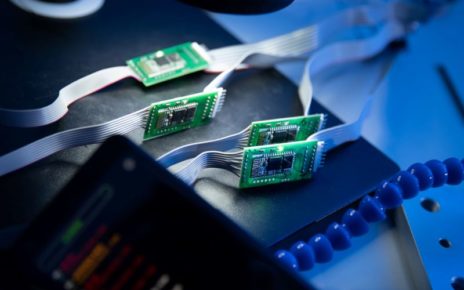
DIANA: Defence Innovation Accelerator for the North Atlantic
Posted on Author Scott Burns
The war in Ukraine has shown that superior technology, especially in the areas of surveillance and communication, can help a David stand up to a Goliath. Looking forward, Canada and its NATO allies have embarked on a new initiative named DIANA that aims to help them maintain their technological cutting edge. In this article Scott Burns explains this new defence innovation project along with Canada’s exciting role.
Deglobalisation: Should we be worried?
Posted on Author Sravani Mamillapalli
Globalization is the process of interrelating and integrating people, ideas, companies, and governments across the world. Globalization efforts are sustained by free moving trade, high levels of investment and labour migration among nations. Since 1950, the volume of world trade has gone up twenty times and foreign investment doubled to $827 billion. Subsequently, living standards Read More…
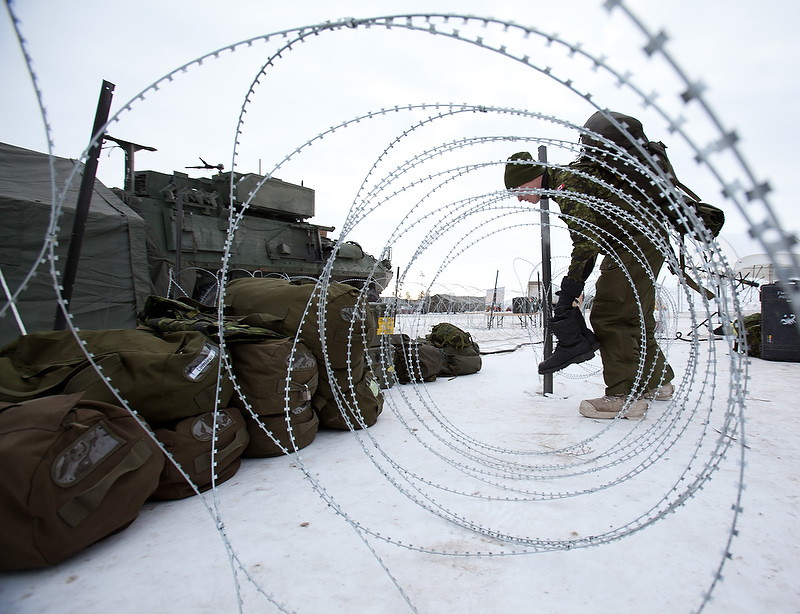
The Role of Army Reservists in Arctic Security
Posted on Author Paul Pryce
In a series on Arctic security, Paul Pryce discusses the contributions of
Canadian Army Reservists through the Arctic Response Company Groups.