


NATO Association of Canada
The mission of NATO Association of Canada is to promote peace, prosperity, and security through knowledge and understanding of the importance of NATO.
We strive to educate and engage Canadians about NATO and NATO’s goal of peace, prosperity and security. NATO Association of Canada ensures that we have an informed citizenry able to contribute to discussions about Canada’s role on the world stage.
As a leading member of the Atlantic Treaty Association (ATA), NATO Association of Canada has strong and enduring ties with sister organizations in many of the alliance countries, as well as members of NATO’s “Partnership for Peace” and “Mediterranean Dialogue” programmes. The NAOC has had a leading role in the recent transformation and modernization of the ATA, and helped to create and develop the Youth Atlantic Treaty Association (YATA).
The NAOC has strong ties with the Government of Canada including Global Affairs Canada and the Department of National Defence. We are constantly working to create and maintain relationships with international organizations such as the World Bank Group, the European Bank of Reconstruction and Development, NATO Headquarters, the International Criminal Court, and other prominent international NGOs and think tanks.
Related Articles
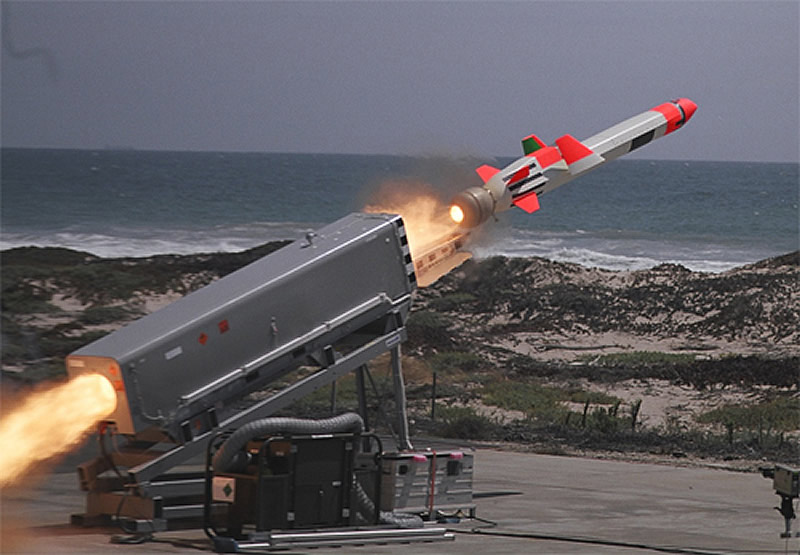
Building a Navy Fit for War: A Survey of Anti-Ship Cruise Missiles
Posted on Author Shahryar Pasandideh
Intellectual energy and capital must be invested in thinking about a replacement for the Harpoon missile currently used by the Royal Canadian Navy (RCN).
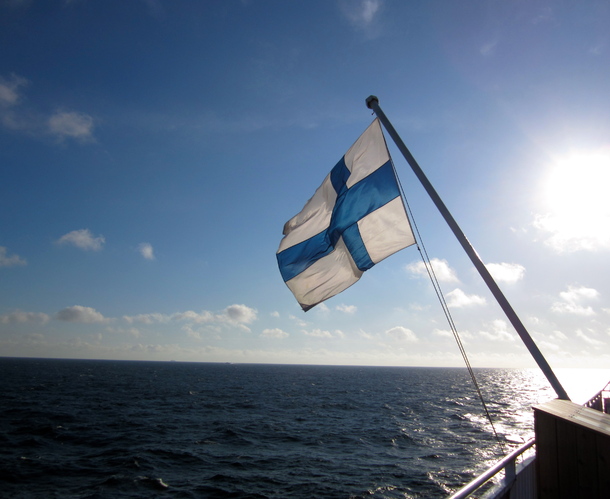
Intensifying NATO Partnerships: The Example of the Finnish Navy
Posted on Author Paul Pryce
Paul Pryce examines the Finnish Navy’s unique relationship with NATO.

The Impact of the Interest Rate Cut by the US Central Bank on Canada’s Economy
Posted on Author James Cho
The US Central Bank has cut down its interest rate three times this year. What is the Bank of Canada’s next decision and it’s impact on Canada’s economy?