

NATO Association of Canada
The mission of NATO Association of Canada is to promote peace, prosperity, and security through knowledge and understanding of the importance of NATO.
We strive to educate and engage Canadians about NATO and NATO’s goal of peace, prosperity and security. NATO Association of Canada ensures that we have an informed citizenry able to contribute to discussions about Canada’s role on the world stage.
As a leading member of the Atlantic Treaty Association (ATA), NATO Association of Canada has strong and enduring ties with sister organizations in many of the alliance countries, as well as members of NATO’s “Partnership for Peace” and “Mediterranean Dialogue” programmes. The NAOC has had a leading role in the recent transformation and modernization of the ATA, and helped to create and develop the Youth Atlantic Treaty Association (YATA).
The NAOC has strong ties with the Government of Canada including Global Affairs Canada and the Department of National Defence. We are constantly working to create and maintain relationships with international organizations such as the World Bank Group, the European Bank of Reconstruction and Development, NATO Headquarters, the International Criminal Court, and other prominent international NGOs and think tanks.
Related Articles
ISIS in the Balkans
Posted on Author Vedran Kuljanin
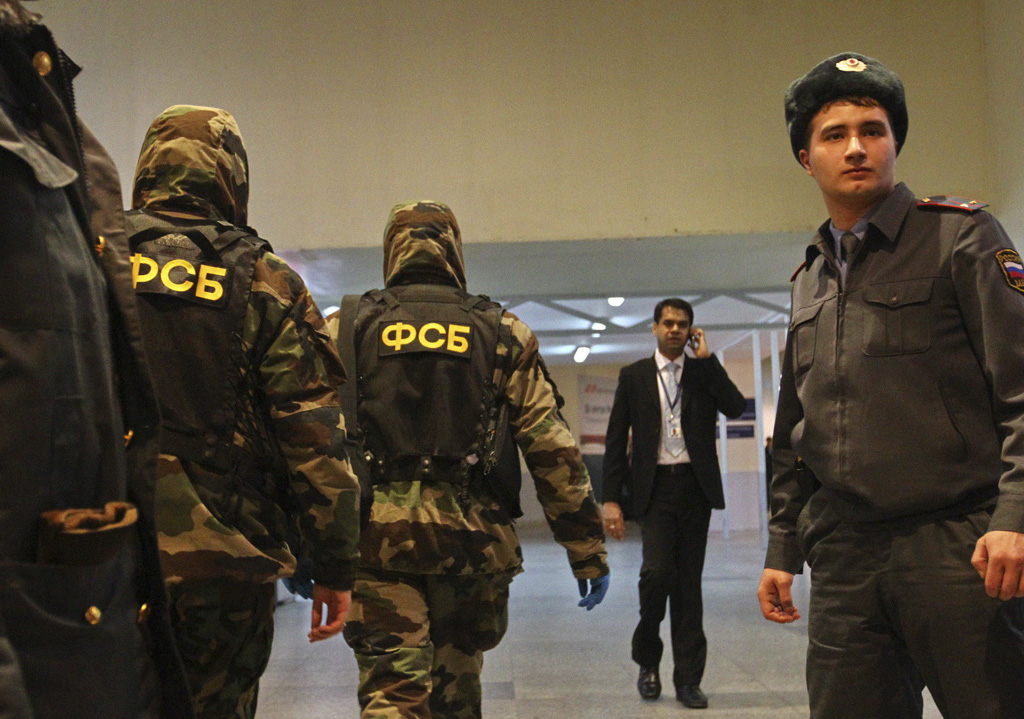
Vedran Kuljanin discusses the rise of ISIS in the Balkan region of Europe and what to expect from NATO and the EU.

Culture
Human Rights
Peace & Security
Rights
Saudi Arabia
Security
The Middle East and North Africa
Uncategorized
Victoria Heath
Women in Security
Yemen
A New Opportunity or an Additional Roadblock to Progress? Context to the right to drive campaigns in Saudi Arabia
Posted on Author Victoria Heath
Victoria examines the new realities for the right to drive campaigns in Saudi Arabia, including the possible opportunities and roadblocks.

Canada in the World: Youth Dialogue on Women, Peace and Security
Posted on Author NATO Association of Canada
Canada in the World: Youth Dialogue on Women, Peace and Security Published May 2015 The Atlantic Council of Canada is proud to present its first publication focused on Women, Peace and Security: Canada in the World: Youth Dialogue on Women, Peace and Security. The publication is a joint-effort by ACC members, Junior Research Fellows and external contributors. It was Read More…