

NATO Association of Canada
The mission of NATO Association of Canada is to promote peace, prosperity, and security through knowledge and understanding of the importance of NATO.
We strive to educate and engage Canadians about NATO and NATO’s goal of peace, prosperity and security. NATO Association of Canada ensures that we have an informed citizenry able to contribute to discussions about Canada’s role on the world stage.
As a leading member of the Atlantic Treaty Association (ATA), NATO Association of Canada has strong and enduring ties with sister organizations in many of the alliance countries, as well as members of NATO’s “Partnership for Peace” and “Mediterranean Dialogue” programmes. The NAOC has had a leading role in the recent transformation and modernization of the ATA, and helped to create and develop the Youth Atlantic Treaty Association (YATA).
The NAOC has strong ties with the Government of Canada including Global Affairs Canada and the Department of National Defence. We are constantly working to create and maintain relationships with international organizations such as the World Bank Group, the European Bank of Reconstruction and Development, NATO Headquarters, the International Criminal Court, and other prominent international NGOs and think tanks.
Related Articles
A Turning Point for the Canadian Armed Forces: What this Means at Home and Abroad
Posted on Author Caleigh Wong
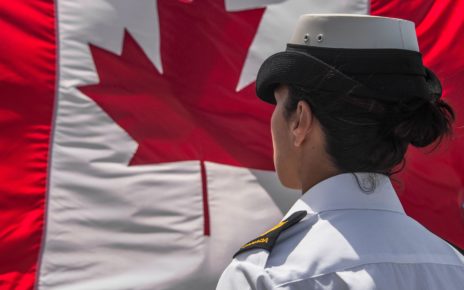
The current institutional crisis underway in the Canadian Armed Forces is not only a domestic issue with extensive human costs for servicewomen and men, but a potential threat to broader Canadian international defense capabilities. In this article Caleigh Wong discusses the current investigation into sexual misconduct in the military and what this means for an organization crucial to upholding Canada’s democracy.
Reconvening the NATO-Russia Council: How Renewed Engagement Could Strengthen Global Security
Posted on Author Neil Siviter
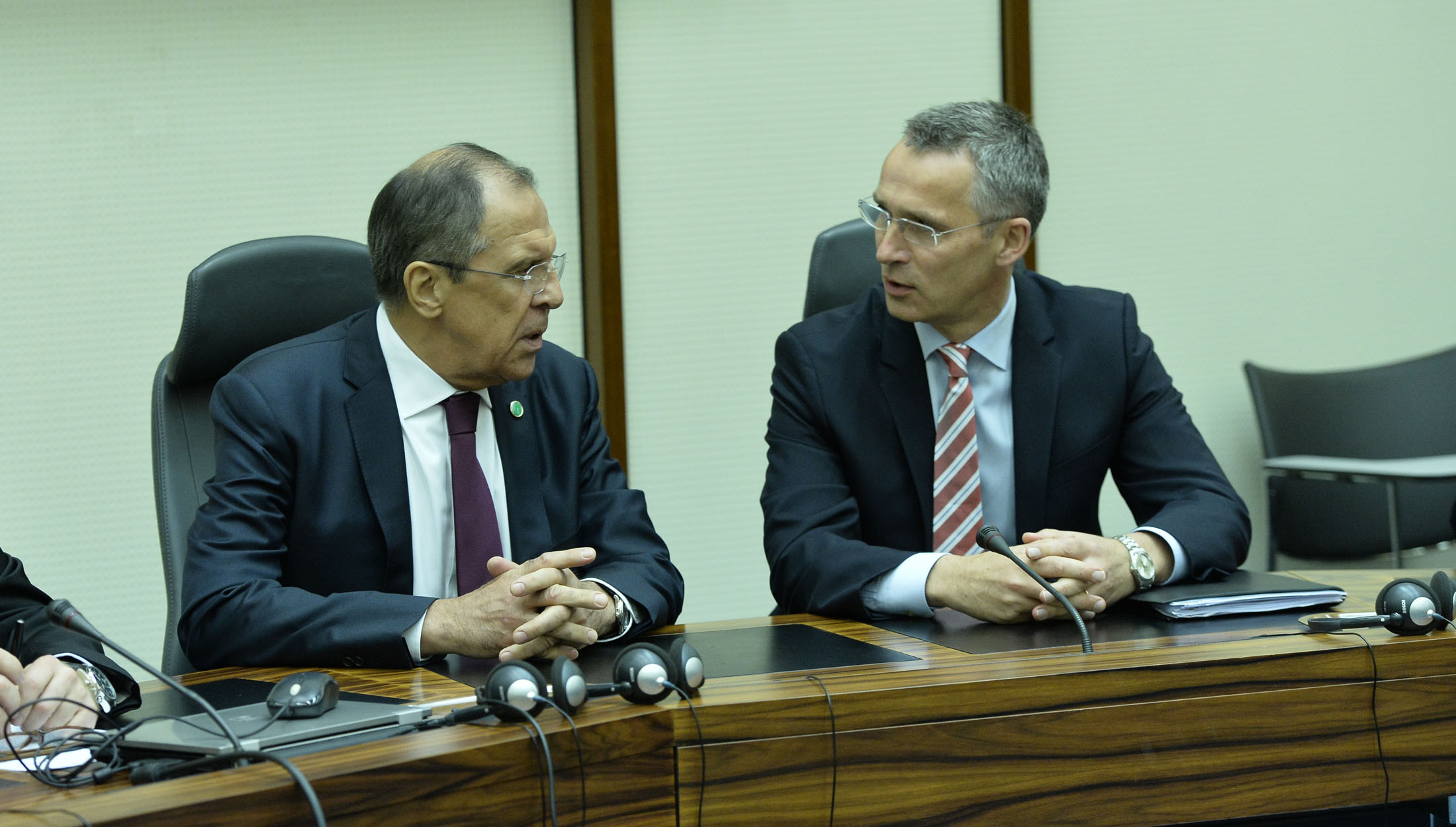
For two years now, following Russia’s illegal annexation of Crimea in 2014, cooperation within the NATO-Russia Council (NRC) had been suspended. With a meeting of the NRC scheduled to take place in April 20, 2016, Neil Siviter examines how renewed cooperation could strengthen approaches to longstanding international security issues.
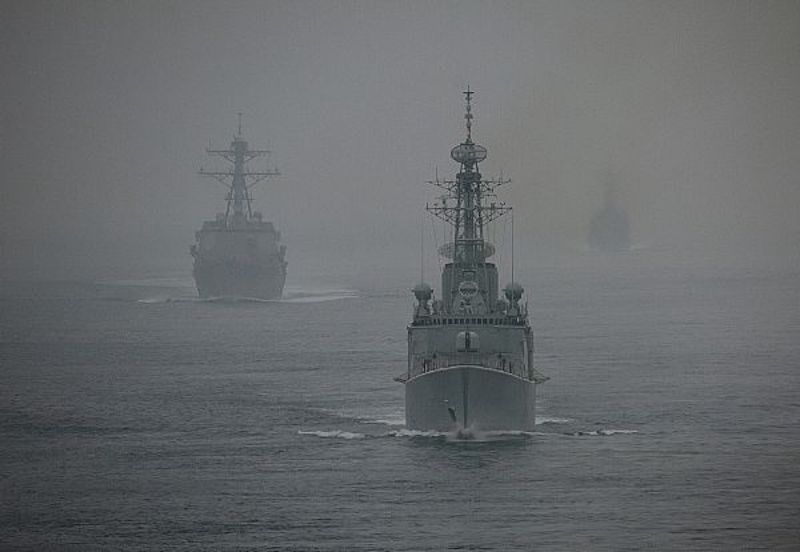
Special Report on Defence Policy Pt 1/5: Initial Findings
Posted on Author Touraj Riazi
Canada’s recent Defence Policy presents a 20-year vision for the CAF. Is this policy realistic? This report summarizes Touraj Riazi’s and Ian Pelekis’ initial findings, in the first part of this series.