Operations

The War in Ukraine: Russian Involvement in the Crimean Referendum

Below are photos, as well as an accompanying description from an exhibit that was organized by Canadians for Democracy in Russia and Euromaidan Canada Committee. In opposition to the war in Ukraine, the exhibit aims to provide insight into events taking place in Eastern Ukraine and Russia’s involvement. More specifically, the exhibit aims to reveal evidence of Russian support for anti-government militants, as well demonstrate the brutal and violent nature of the conflict. For information about the exhibit please visit http://thewarinukraine.info

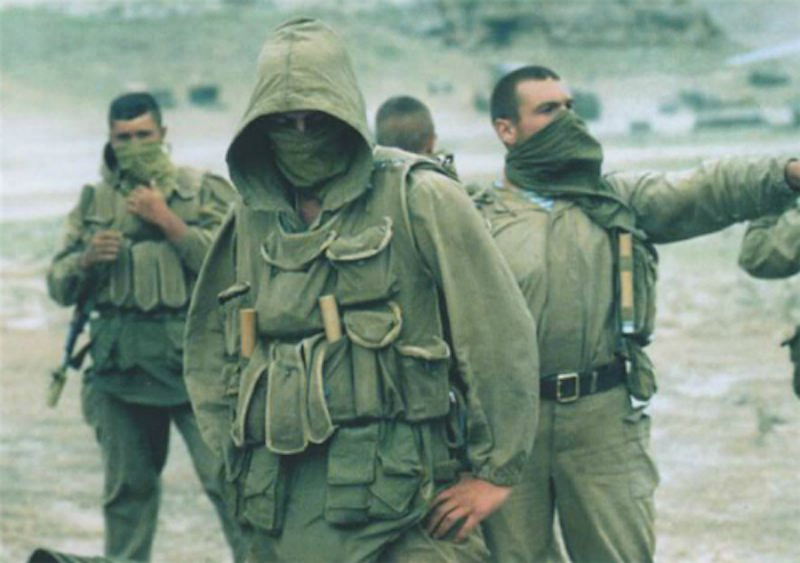
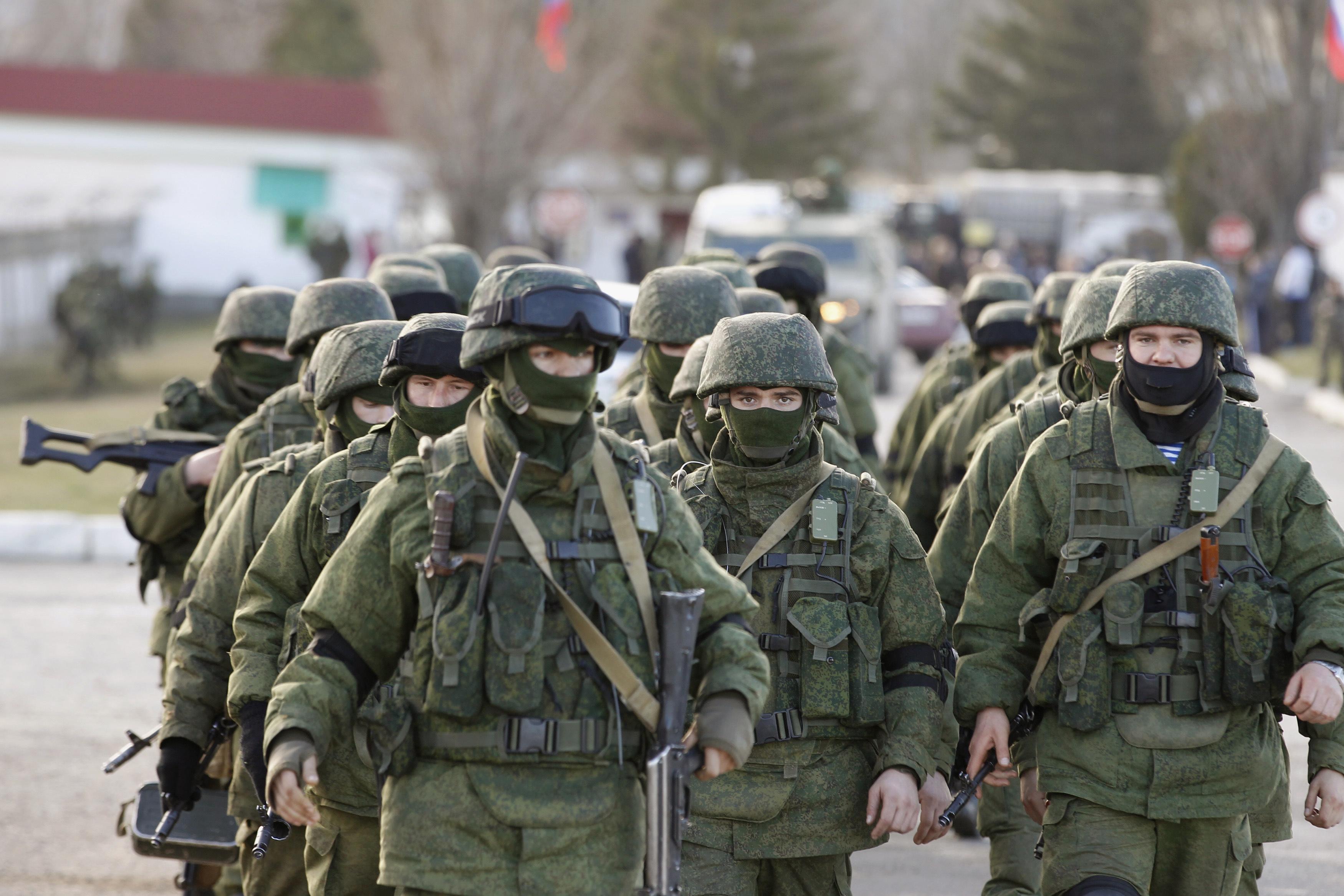
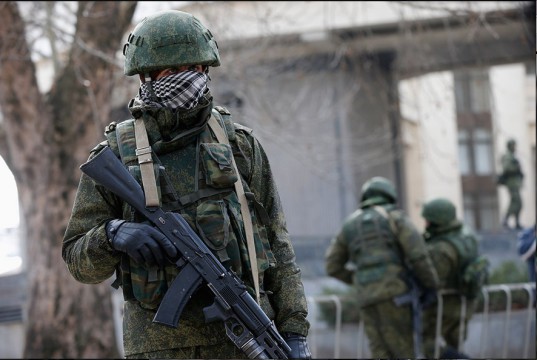
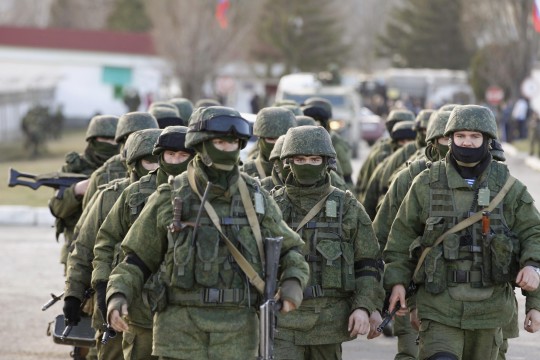
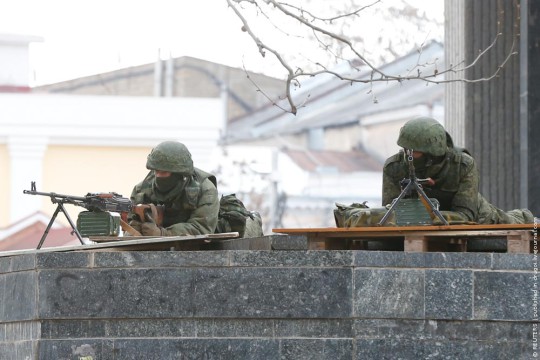
Days after Ukrainian President Viktor Yanukovych fled from Kyiv, the capital of Ukraine in late February 2014, armed men began to take control of the Crimean Peninsula. Checkpoints were established by men with green military-grade uniforms without insignia and equipment in the capital of the Autonomous Republic of Crimea, Simferopol, and the port-city of Sevastopol, home to a Russian naval base, per international treaty between Ukraine and Russia under the Kharkiv Pact of 2010. The local population and the media referred to these men as “little green men.”
russian_soldiers_seized_the_airport_in_ukraine__8_by_makarov771-d78h45g

Military personnel, believed to be Russian servicemen, walk outside the territory of a Ukrainian military unit in the village of Perevalnoye outside Simferopol March 3, 2014. Ukraine mobilised for war on Sunday and Washington threatened to isolate Russia economically after President Vladimir Putin declared he had the right to invade his neighbour in Moscow's biggest confrontation with the West since the Cold War. Russian forces have already bloodlessly seized Crimea, an isolated Black Sea peninsula where Moscow has a naval base. REUTERS/Baz Ratner (UKRAINE - Tags: CIVIL UNREST MILITARY POLITICS)

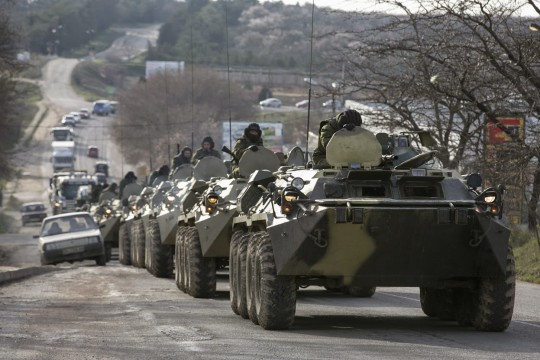
After the occupation of the Crimean Parliament by these unmarked troops, who Russian President Vladimir Putin later admitted were Russian armed forces, despite initially telling the press that no Russian military is present in Crimea outside of the Russian bases, the self-proclaimed Crimean “leadership” announced it would hold a “referendum” on secession from Ukraine on March 16, 2014. After the “referendum,” which the international community condemned as illegitimate, Russia annexed Crimea. Although the annexation of Crimea went without major resistance or an open armed conflict, the Geneva Convention applied to the situation in Crimea from the moment Russian armed forces entered Ukrainian territory without Ukraine’s consent.
13100538265_bbdca83ed5_o

Russians_Crimea_7

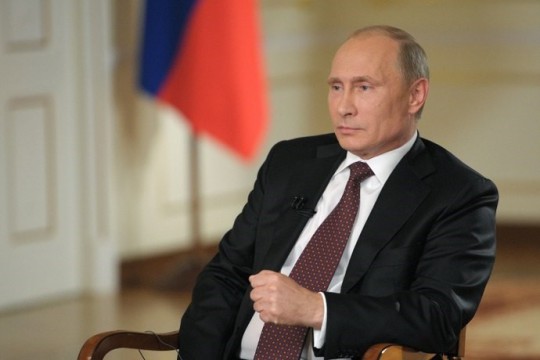
A year later in the Russian-made documentary, entitled “Crimea: The Way Home,” President Putin said he ordered the Russian Defense Ministry to “deploy the special forces of the GRU (the main intelligence department of the Armed Forces of the Russian Federation), together with marine forces and paratroopers” to Crimea. According to Putin, he also deployed K-300P Bastion-P coastal defense missiles “to demonstrate Russia’s willingness to protect the peninsula from military attack.” When Putin was asked whether he was ready to bring nuclear weapons into play, he replied: “We were ready to do it.”
1321

Author

  • The mission of NATO Association of Canada is to promote peace, prosperity, and security through knowledge and understanding of the importance of NATO.

    We strive to educate and engage Canadians about NATO and NATO’s goal of peace, prosperity and security. NATO Association of Canada ensures that we have an informed citizenry able to contribute to discussions about Canada’s role on the world stage.

    As a leading member of the Atlantic Treaty Association (ATA), NATO Association of Canada has strong and enduring ties with sister organizations in many of the alliance countries, as well as members of NATO’s “Partnership for Peace” and “Mediterranean Dialogue” programmes. The NAOC has had a leading role in the recent transformation and modernization of the ATA, and helped to create and develop the Youth Atlantic Treaty Association (YATA).

    The NAOC has strong ties with the Government of Canada including Global Affairs Canada and the Department of National Defence. We are constantly working to create and maintain relationships with international organizations such as the World Bank Group, the European Bank of Reconstruction and Development, NATO Headquarters, the International Criminal Court, and other prominent international NGOs and think tanks.


    View all posts
NATO Association of Canada

The mission of NATO Association of Canada is to promote peace, prosperity, and security through knowledge and understanding of the importance of NATO.

We strive to educate and engage Canadians about NATO and NATO’s goal of peace, prosperity and security. NATO Association of Canada ensures that we have an informed citizenry able to contribute to discussions about Canada’s role on the world stage. As a leading member of the Atlantic Treaty Association (ATA), NATO Association of Canada has strong and enduring ties with sister organizations in many of the alliance countries, as well as members of NATO’s “Partnership for Peace” and “Mediterranean Dialogue” programmes. The NAOC has had a leading role in the recent transformation and modernization of the ATA, and helped to create and develop the Youth Atlantic Treaty Association (YATA). The NAOC has strong ties with the Government of Canada including Global Affairs Canada and the Department of National Defence. We are constantly working to create and maintain relationships with international organizations such as the World Bank Group, the European Bank of Reconstruction and Development, NATO Headquarters, the International Criminal Court, and other prominent international NGOs and think tanks.