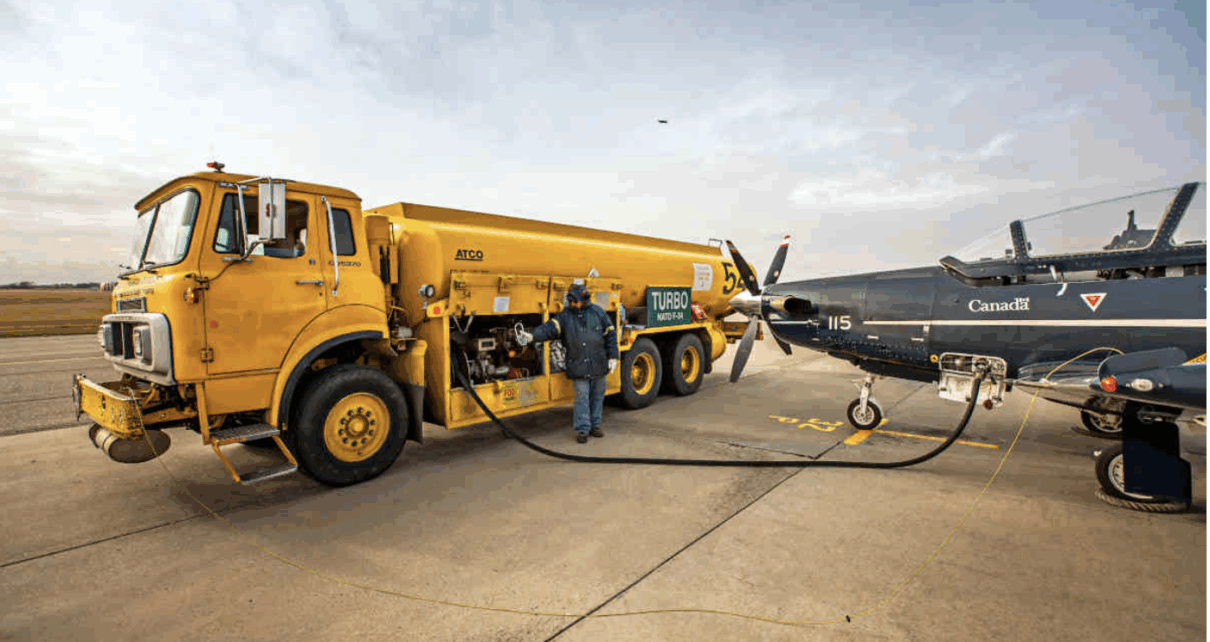
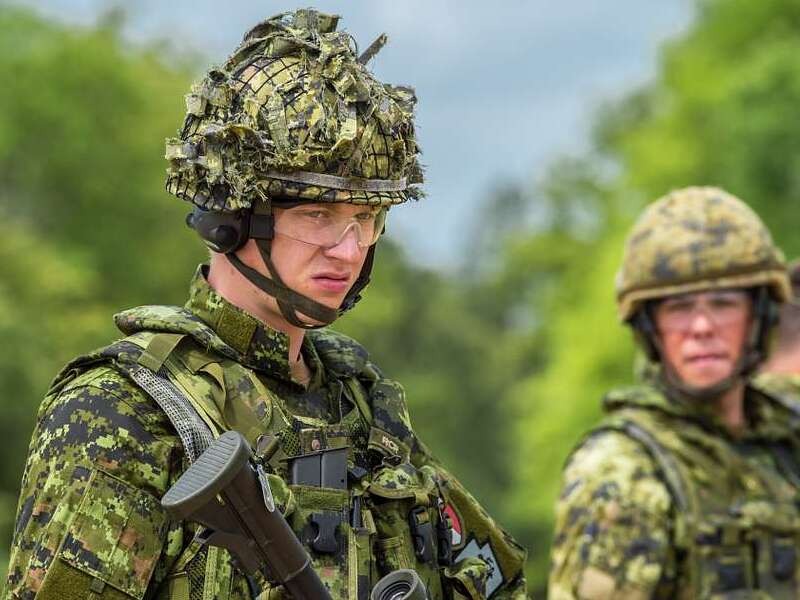
In this article, Kaya Dupuis examines how the U.S. seizure of Venezuelan oil reserves in January 2026 creates an unprecedented opportunity for Canada to reshape North American energy dynamics. Can Canada move fast enough to capitalize on Venezuela’s decade-long recovery timeline and secure its position as the continent’s energy supplier before the window closes?
Tag: Security
Financing Resilience in Critical Minerals: How Allies Are De-Risking with Policy
Supply chain dominance is an easy path to economic coercion. As critical minerals become more vital than ever in a world of increasing tensions, securing network resilience is necessary to security. When the question of “friend or foe” can be a blurred one, allies band together to mitigate risk through policy and cooperation.
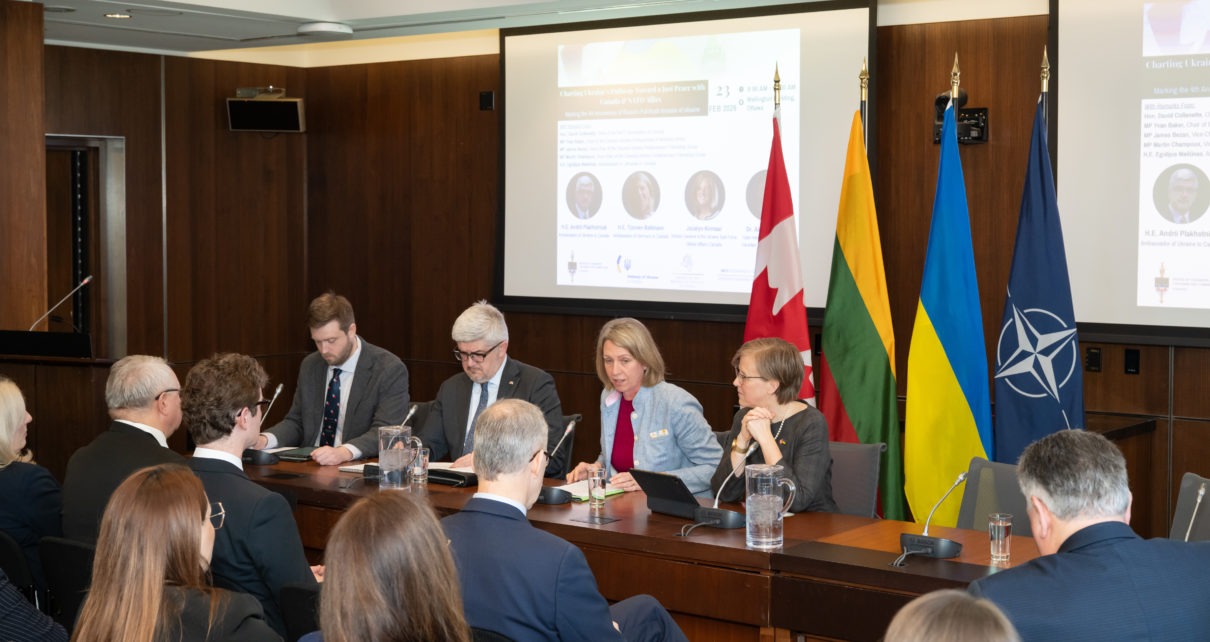
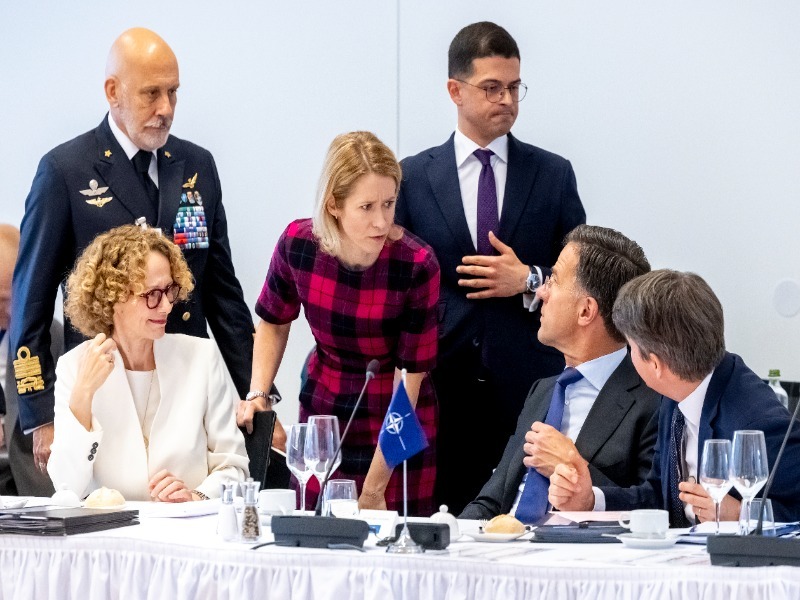
Charting Ukraine’s Pathway Toward a Just Peace with Canada & NATO Allies – Panel Report
On February 23, 2026, the NATO Association of Canada (NAOC), in partnership with the Canada-Ukraine Parliamentary Friendship Group and the Embassies of Ukraine and Lithuania in Canada, organized a panel discussion entitled “Charting Ukraine’s Pathway Toward a Just Peace with Canada & NATO Allies”. The event was dedicated to commemorating the 4th anniversary of the Read More…
Defending Solidarity After Warsaw’s Flag Incident
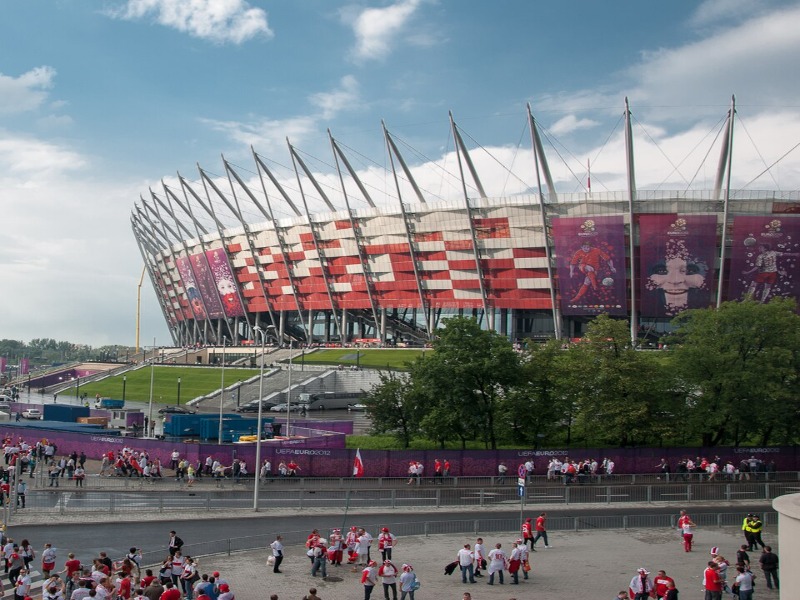
On 9 August in Warsaw, police detained 109 people during a concert by Belarusian singer Max Korzh for “drug possession, unlawful entry, assaults on security staff and use of pyrotechnics.” At the same event, one attendee displayed the red-and-black flag associated with the Ukrainian Insurgent Army (UPA). The symbol is contentious in Poland because the Read More…
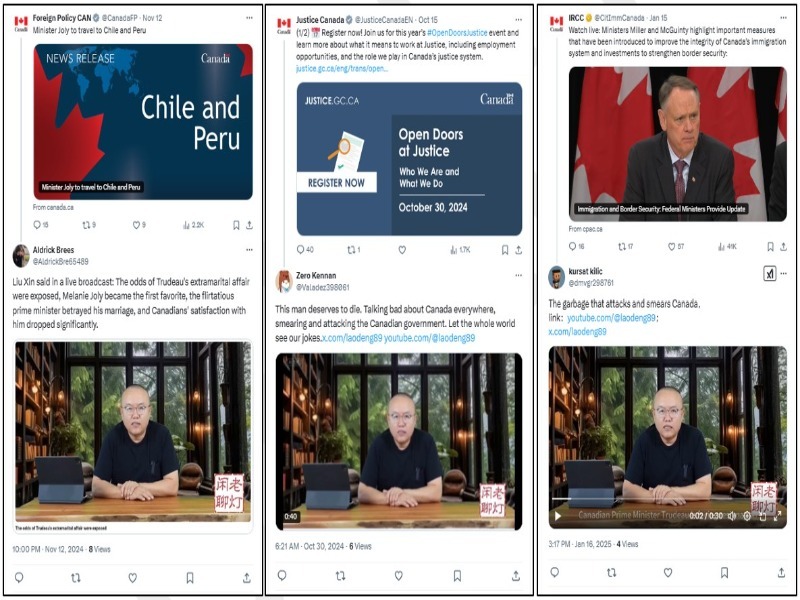
Spamouflage in Canada: How Targeted Disinformation Undermines Democracy
Two years have passed since Rapid Response Mechanism (RRM) Canada, which detects foreign interference and disinformation, identified the first Spamouflage campaign. First detected in 2023, the Spamouflage campaign refers to a covert disinformation operation that relies on networks of newly created or hijacked social media accounts, frequently seen to amplify narratives aligned with PRC (People’s Read More…
What Canada Has Yet To Learn from Ukraine About Countering Disinformation
Imagine a government on the verge of a decision that will take years to implement and billions of dollars to sustain. A major defence procurement. A long-term NATO deployment. A new assistance package for an ally. On paper, everything looks orderly. Briefings are prepared. Consultations take place. Procedures are followed. Yet, even before the decision Read More…
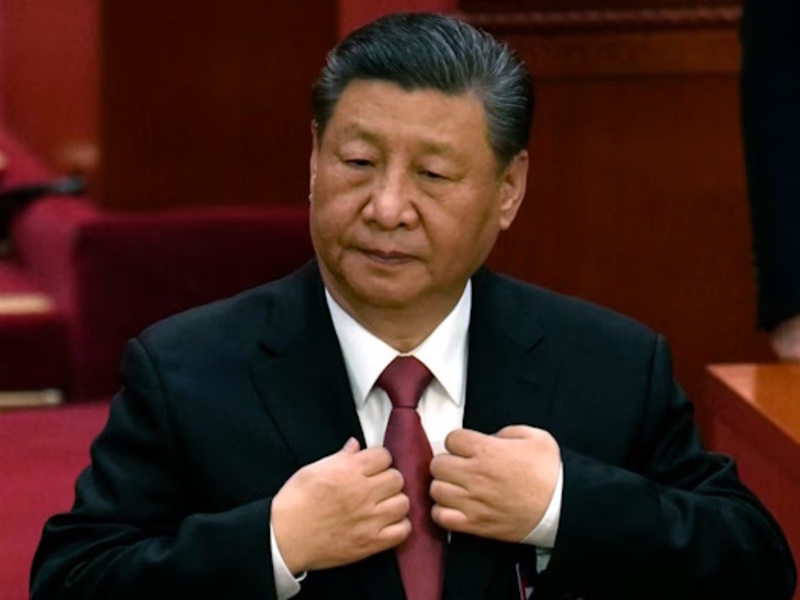
Hedging with the Dragon: Mark Carney’s China Visit and Canada’s Search for Strategic Autonomy
What does Mark Carney’s decision to re-engage China signal about Canada’s strategic options in a more coercive global economy? Tasneem Gedi argues that Ottawa’s limited recalibration with Beijing reflects an unavoidable strategy of hedging amid U.S. unpredictability. While such engagement may expand Canada’s room for maneuver in an increasingly coercive global economy, it carries risks and thus must be pursued narrowly, conditionally and in close alignment with Canada’s alliance commitments.
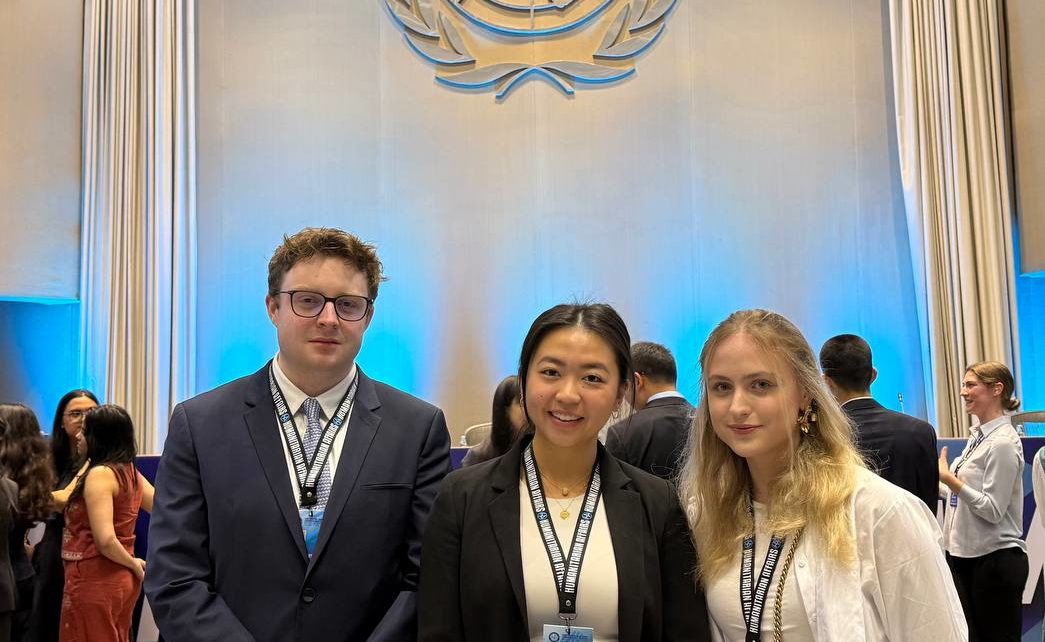
Global Peace Summit of Emerging Leaders: Reflections on Peacebuilding, Youth Leadership, and Canada’s Role in Global Security
From 20–23 January 2026, the interns of the NATO Association of Canada, Nataliia Dikalchuk, Isabelle Zhu and Matthew Reddock attended the 5th Global Peace Summit of Emerging Leaders in Bangkok, Thailand. The event was organized by Humanitarian Affairs Asia at the United Nations Conference Centre. The Summit convened approximately 400 young leaders from over 60 Read More…
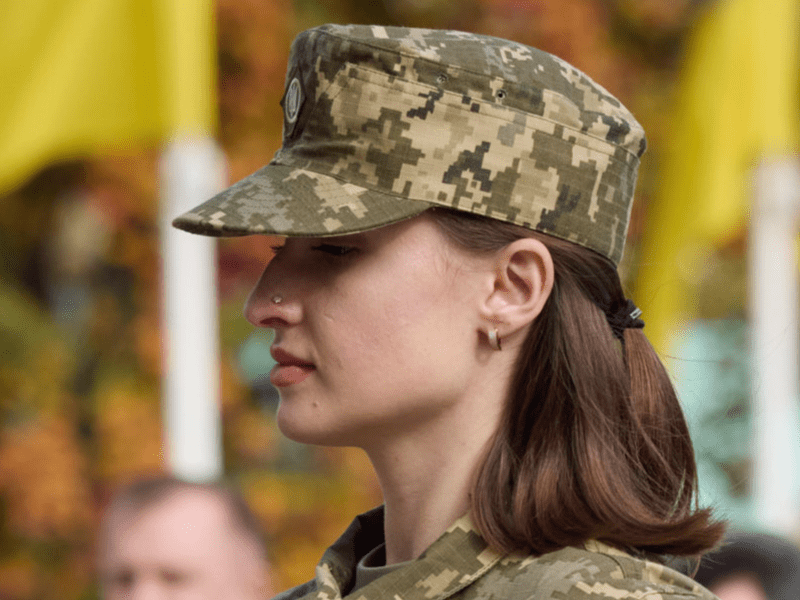
Shifting Priorities in Ukraine: Is NATO’s WPS Agenda Under Threat?
WPS policies are often disregarded when matters deemed of higher priority emerge, despite NATO’s high engagement of WPS values through public diplomacy, military, and political means. Russia’s invasion of Ukraine has posed the biggest security crisis to NATO in decades, and considering the gendered dimensions of the war, which has seen high rates of sexual and gender
based violence, NATO’s limited WPS response leaves the future of the Agenda in question. As a core tenet of NATO’s values, WPS must not be disregarded; member states that have adopted FFPs, such as Canada, should continue to drive the WPS agenda forward. This article makes key recommendations, including shifting to a human rights-based approach (HRBA) and employing more intentional language in operational directives, to support Ukraine’s current WPS policies.
Divide and Conquer: How Gender-Based Disinformation Weakens Western Militaries
This article examines misogyny and broader anti-gender ideology as under-recognized vectors of hybrid warfare that undermine NATO’s democratic resilience, military cohesion, and Alliance legitimacy. It argues that foreign adversaries exploit entrenched patriarchal and exclusionary narratives through gender-based disinformation to exacerbate polarization, target political actors, weaken trust in defence institutions, and delegitimize NATO. The article concludes that the principles of NATO’s Women, Peace and Security (WPS) policy counter foreign disinformation by limiting the impact of harmful gendered narratives and reinforcing pluralism, and what can be done to strengthen democratic resilience and NATO’s collective defence in an era of hybrid conflict.