Cyber Security and Emerging Threats

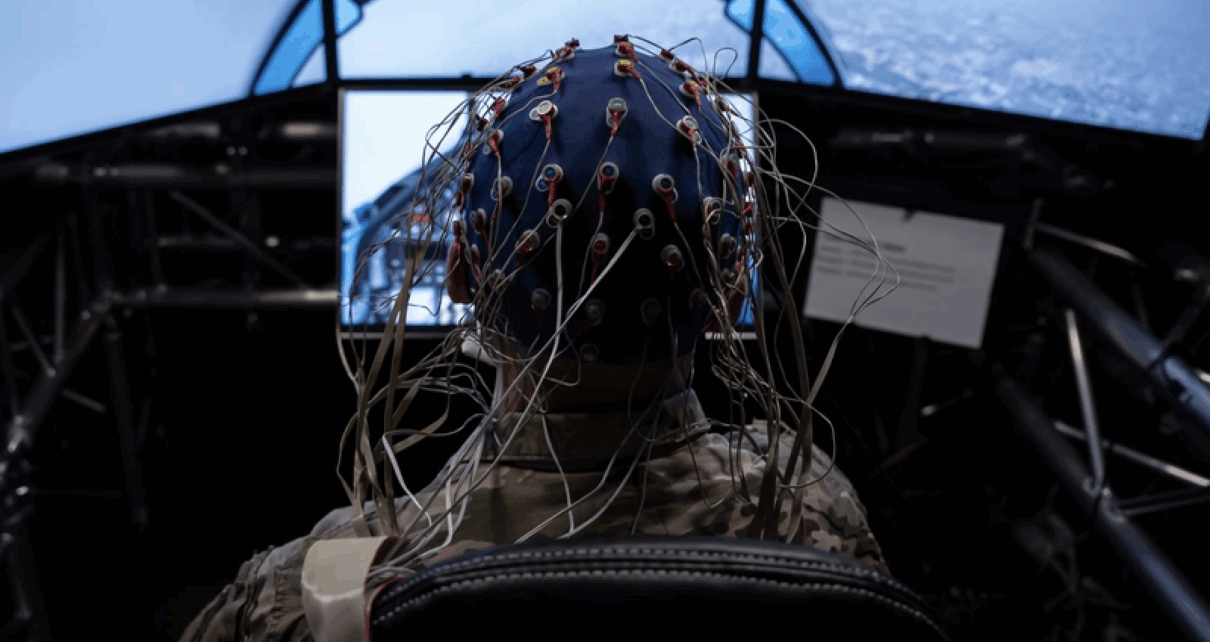
Is NATO Ready for the Brain Battlefield? Navigating the Governance Window for Neurotechnology

In the shadow of artificial intelligence, governments are pouring billions into technologies that collapse the distinction between human thought and machine computation. If NATO does not intervene early, it risks ceding strategic influence to competitors who view the mind as a domain for military advantage. Yet the strategic promise of neurotechnology is matched by questions about control, accountability, and exploitation that the Alliance cannot afford to ignore. NATO must move quickly, but through a phased approach that balances innovation with the protection of cognitive integrity.

Cyber Security and Emerging Threats

Protecting Arctic Cyberinfrastructure: Quantum Sensors for Domain Awareness in the North

This article discusses how the adoption of quantum sensing technologies will likely advance cybersecurity by enabling greater protection of infrastructure, detection of attacks, and attribution to attackers, particularly in the Arctic.

Cyber Security and Emerging Threats

The Missing Shield: Why NATO’s Innovation Strategy Needs Modern Intellectual Property Protection

This article argues that without integrating IP protection into its cyber, emerging and disruptive technologies, and innovation strategies, NATO risks undermining the very technological edge it seeks to secure.