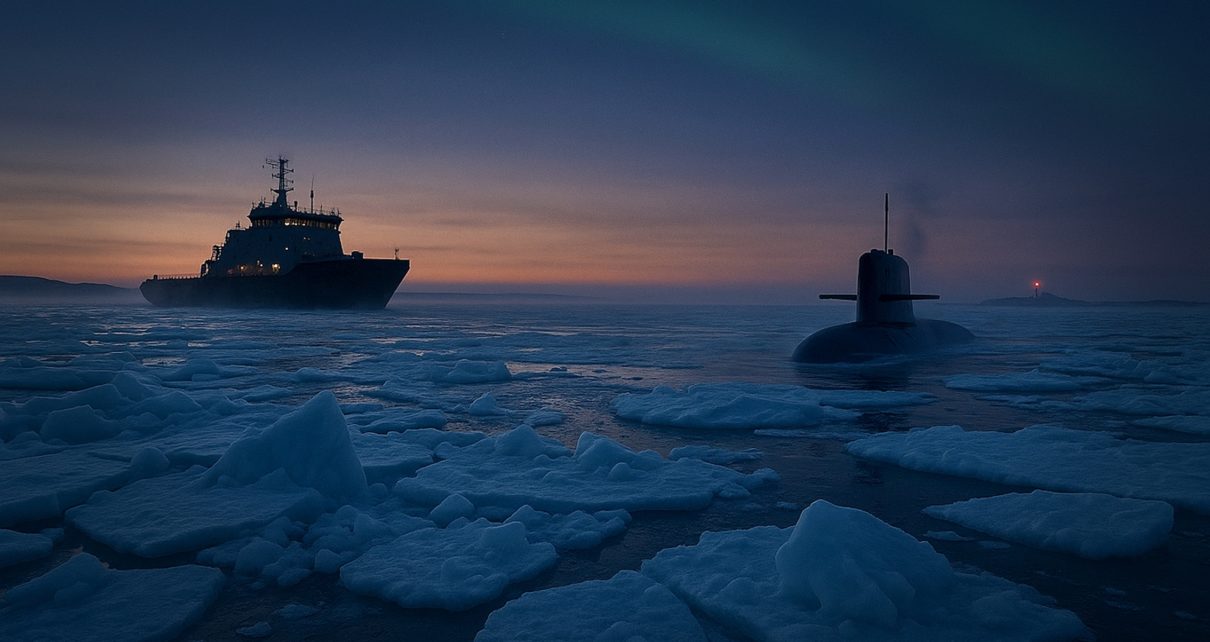
*This is the second instalment of a six-part series. As each Arctic state strengthens its security and defence capabilities in the High North, there is likewise an overall intensification of geopolitical rivalries, an expansion of coastal states’ territorial and energy ambitions, increasing clashes of interest, and a corresponding potential for instability. Problematically, NATO lacks an Arctic policy, Read More…
Tag: China
POWER PLAY IN THE ARCTIC: Part 1 – From Isolation to Insecurity
*This is the first instalment of a six-part series. Although the Arctic’s extreme environment has historically been an effective obstacle to threats to Canada’s sovereignty and security, the region is now being reshaped by climate change. In 2007 alone, over 2.5 million square kilometres of ice melted in the Arctic Circle, leaving only half of that Read More…
The Digital Battlefield: How China’s Cyber Program Is Reshaping National Security
On Sunday, January 19th, TikTok, the app that has captivated millions, was expected to shut down its operations in the U.S. This follows a sweeping federal ban sparked by a new law demanding that ByteDance, the Chinese company behind TikTok, divest from the app. Canada, too, is stepping up its scrutiny, forcing TikTok to close Read More…
Special Report: The MAS Gap, Canada Falls Behind as Allies Adopt Maritime Autonomous Systems
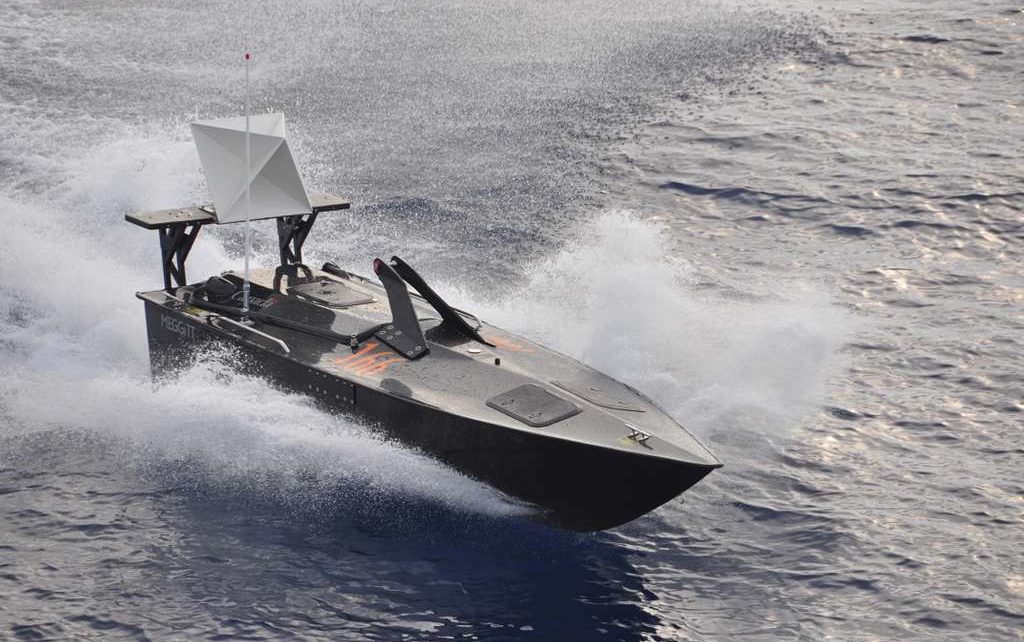
This is Part One of a two part series on maritime autonomous systems. Introduction As the geopolitical landscape becomes increasingly complex, with rising global competition and evolving security threats, Canada must take decisive steps to enhance its maritime capabilities by adopting Maritime Autonomous Systems (MAS). While our allies, including the United States, France, and NATO Read More…
Special Report: Under the Ice and Into the Future, Strengthening Canada’s Submarine Capabilities
Canada faces an urgent need to modernize its submarine fleet, particularly with under-ice capabilities, to maintain strategic autonomy and meet its international obligations. Public Service and Procurement Canada (PSPC) must urgently fast-track the acquisition of under-the-ice capable submarines for the Royal Canadian Navy (RCN) or risk facing a critical capability gap. Several factors have recently Read More…
Special Report: China’s Strategic Complicity and the Hidden Engine Behind Russia’s War Effort
Russia’s invasion of Ukraine has been marked by limited battlefield success, with no indication of a divisive victory for either party or a peace settlement. Russia has had to cope with an almost systematic increase in sanctions in scope and scale in order to conduct its invasion of Ukraine. These sanctions aim to hobble Russia’s Read More…
Special Report on the West Philippine Sea Maritime Dispute (Part 1): Deciphering the Fourth US – Philippines 2+2 Ministerial Dialogue and the Underlying Challenges to the Security Treaty Alliance
Abstract: The United States (US) and its Southeast Asian non-NATO major ally, the Philippines, have just concluded the fourth US – Philippines 2+2 Ministerial Dialogue hosted in Manila on July 30, 2024. In Part 1 of this special report, Contributing Writer Mark Davis Madarang Pablo examines the key takeaways from this historic meeting. This analysis Read More…
The Importance of Taiwanese Sovereignty: Beyond Economics and Military Strategy
Recent media coverage of the West’s involvement in mitigating tensions between China and Taiwan has generally focused on the same handful of questions: Has China increased its aerial and naval drills near Taiwan’s shores, and why? What is the likelihood of a direct military conflict between the United States and China over Taiwan’s sovereignty? What Read More…
To CFIS or not CFIS: Canada’s Foreign Intelligence Service Quandary
The question of whether Canada needs a foreign intelligence service is not a new one. It’s been bandied about almost as long as Canada has had a domestic intelligence service. Created by an Act of Parliament in 1984, the Canadian Security Intelligence Service (CSIS) was mandated only to include the collection of data and information Read More…
An Explanation of Western and Russian Interests and Aims in the Francophone West African “Coup Belt”
Since 2020, there have been seven coups in six French-speaking West African countries. Many of them have involved conflicts between military groups or established governments supported by France, and by extension the West and NATO, and rebel groups or juntas supported by Russia. France’s role as the main patron of established power in these countries Read More…