Relations between the Republic of Korea and NATO began in 2005 and have since evolved from a purely diplomatic partnership into closer strategic and military cooperation.
Due to the recent escalation in the Middle East and the escalating war in Iran, the government of South Korea is evaluating its potential contributions to regional stability. A key question facing the South Korean government is whether to support the United States ongoing military operation, “Epic Fury”, in the Strait of Hormuz through direct military deployment or limit its role to non-military missions like search and rescue. While various operational options remain under consideration, the government has not made a concrete deployment decision, as it must first navigate military readiness constraints, statutory legal frameworks and parliamentary approval.
South Korea is well-positioned to contribute to securing the Strait of Hormuz through limited, non-kinetic maritime operations focused on sea-lane security and coalition sustainment. Key contributions could include deploying P-8A Poseidon reconnaissance aircraft, stationing Explosive Ordnance Disposal (EOD) teams for mine countermeasures, and providing non-lethal logistical support-such as fuel, spare parts, and medical supplies-to partner warships. Additionally, South Korea would focus on monitoring maritime traffic, escorting merchant vessels, and conducting search-and-rescue operations. This non-lethal framework directly safeguards its energy security while ensuring full compliance with both public international law and the Law of Armed Conflict.
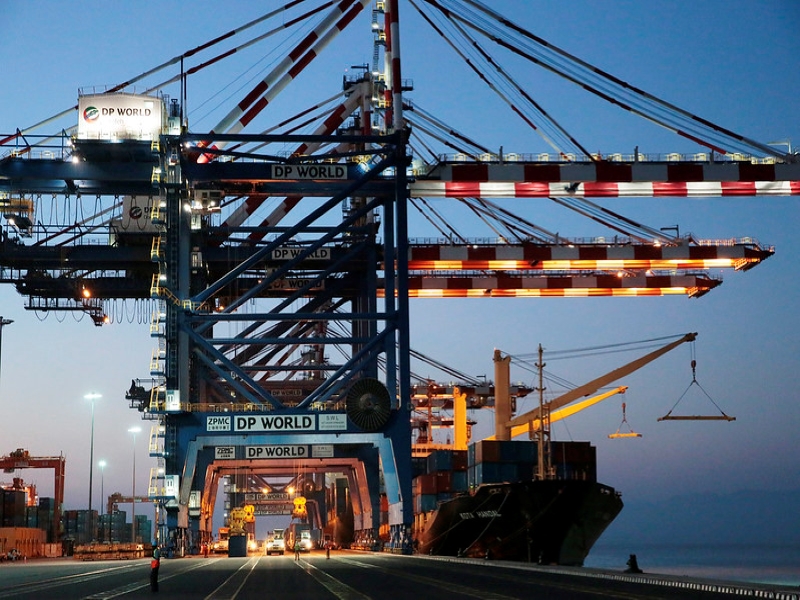
South Korea imports about 70% of its crude oil from the Middle East. In addition to crude oil, the crisis poses an immediate threat to access to liquefied natural gas, which accounts for more than 20% of the country’s total energy needs and about 25% of its electricity generation. A key vulnerability is that 15% of South Korea’s LNG imports come from Qatar, which, due to the current blockade, leads to supply shortages, higher freight rates and insurance premiums, and instability in the domestic power grid. Furthermore, Iran’s asymmetric warfare strategy -manifested through the widespread deployment of sea mines, kamikaze drone strikes, and vessel seizures-indiscriminately threatens commercial transit through the Strait of Hormuz. Iran previously seized the South Korean-flagged tanker Hankuk Chemiin in 2021 as political leverage, while active asymmetric warfare, such as the May 2026 attack on the South Korean vessel HMM Namu, continues to imperil commercial transit through the Strait. A limited, non-kinetic deployment-focused on mine countermeasures, ISR, and merchant vessel escorts-is therefore an essential self-defence measure to safeguard national energy security and protect commercial shipping and uphold freedom of navigation under international law.
Another threat is the blockage of vital supply chains for South Korea and its NATO allies. Because South Korea is a key supplier of semiconductors, industrial intermediate goods, and defence equipment, disrupting maritime trade directly undermines supply security for Western allies and threatens their industrial base. A shortage of South Korean semiconductors directly impacts Western defence production, as it will significantly affect the manufacture of NATO military electronics, modern sensor technology and precision weapons.
South Korea relies on critical raw-material supply chains indispensable to its industrial output. Sourcing 64.7% of its helium from Qatar, the country faces severe manufacturing risks if conflict disrupts trade flows from the Gulf. Because helium is foundational to semiconductor and high-tech manufacturing, any prolonged supply shock directly threatens both domestic industrial production and global tech supply chains. A limited, defensive military presence provides the only viable option to safeguard these vital Qatari shipments at their root, physically securing maritime transit without triggering an uncontrollable military escalation. Executing such a mission, however, demands strict adherence to international law.
The legality of South Korea’s participation in an offensive combat operation or limited military involvement in the Strait of Hormuz depends on whether the force used is unlawful kinetic force or permissible defensive transit protection. The legal framework governing this distinction is enshrined in Article 2(4) of the UN Charter as well as its exceptions under Article 51 and Articles 38 and 39 of the United Nations Convention on the Law of the Sea, which guarantee the right of transit passage through international straits provided military vessels do not pose a security threat.
An offensive combat operation involves proactive kinetic strikes or aggressive military action against another state’s territory or forces. Launching an offensive operation against Iran would cross the threshold into an unlawful act of aggression, directly violating Article 2(4) of the UN Charter as well as the peace clause in the South Korean Constitution. By contrast, a limited military operation is strictly defensive, non-kinetic, and protective. Its purpose is to safeguard commercial shipping lanes, conduct mine countermeasures, and maintain maritime situational awareness without becoming an active party to a regional conflict. Furthermore, cooperation with international partners in the Strait aligns with the core principles of collective self-defence under Article 51 of the United Nations Charter–a universal right available to all UN member states, independent of NATO membership. By defending transit passage and navigation rights in the Strait of Hormuz, South Korea exercises recognized rights under customary international law – as reflected in UNCLOS Article 38 and established ICJ jurisprudence. While Iran is not a party to UNCLOS, it remains bound by customary international law, including the duty established in the ICJ’s Corfu Channel precedent not to hamper transit, and by multilateral agreements like the 1988 SUA Convention, which explicitly prohibits unlawful attacks against commercial vessels. Consequently, a limited, defensive presence protecting freedom of navigation does not violate Article 2(4) of the UN Charter but rather holds coastal states accountable to universal maritime norms.
By fulfilling its binding legal duty under UNCLOS Article 38, South Korea acts in full compliance with international law. In doing so, it signals to Iran and the global community that its deployment is solely intended to protect commercial shipping and preserve the international rules-based order.
In terms of geopolitical strategy, a limited defensive contribution by South Korea provides necessary support to U.S. and NATO forces through a specialized division of labour, which could directly advance equitable alliance burden-sharing. This operational model carries substantial strategic advantages for the Indo-Pacific Four (IP4) coalition. The United States and other NATO member states not only secure international shipping straits, but IP4 partners also assume more defensive responsibilities.
A high-tech, non-kinetic contribution can secure South Korea’s vital energy and supply chains, enhance interoperability with NATO partners, and fulfill alliance burden-sharing commitments without making the country an active party to a regional conflict. Limited military involvement is the most optimal, proportional, and legally sound solution to support NATO in the Strait of Hormuz.
Disclaimer: Any views or opinions expressed in articles are solely those of the authors and do not necessarily represent the views of the NATO Association of Canada.
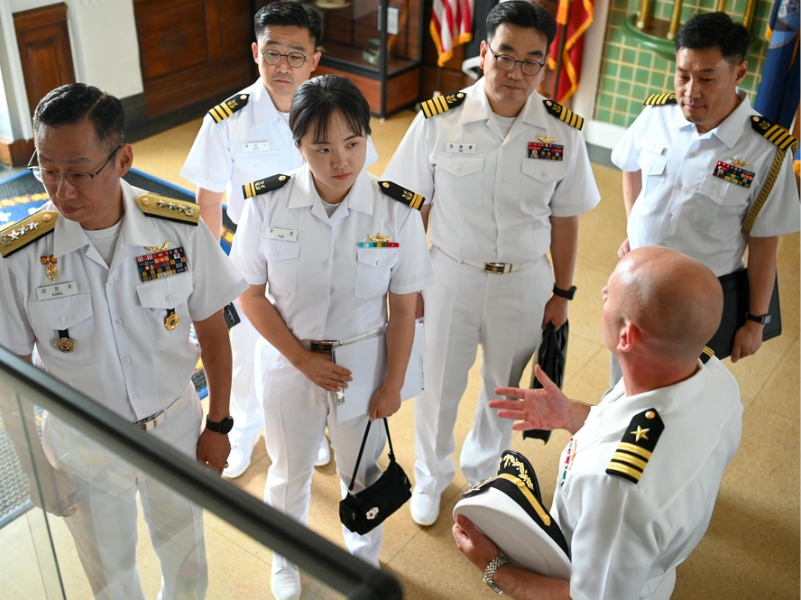
Photo: Republic of Korea Navy (ROK Navy) commander visits CIWT to discuss training cooperation (2024), by U.S. Navy. Used under U.S. Federal Public Domain via DVIDS.