


NATO Association of Canada
The mission of NATO Association of Canada is to promote peace, prosperity, and security through knowledge and understanding of the importance of NATO.
We strive to educate and engage Canadians about NATO and NATO’s goal of peace, prosperity and security. NATO Association of Canada ensures that we have an informed citizenry able to contribute to discussions about Canada’s role on the world stage.
As a leading member of the Atlantic Treaty Association (ATA), NATO Association of Canada has strong and enduring ties with sister organizations in many of the alliance countries, as well as members of NATO’s “Partnership for Peace” and “Mediterranean Dialogue” programmes. The NAOC has had a leading role in the recent transformation and modernization of the ATA, and helped to create and develop the Youth Atlantic Treaty Association (YATA).
The NAOC has strong ties with the Government of Canada including Global Affairs Canada and the Department of National Defence. We are constantly working to create and maintain relationships with international organizations such as the World Bank Group, the European Bank of Reconstruction and Development, NATO Headquarters, the International Criminal Court, and other prominent international NGOs and think tanks.
Related Articles
China
Indo-Pacific and NATO
Maritime Security
Mark Davis Madarang Pablo
Philippines
The United States of America
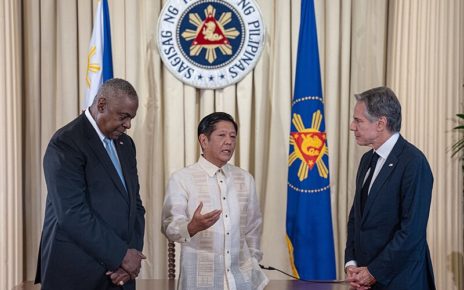
Special Report on the West Philippine Sea Maritime Dispute (Part 1): Deciphering the Fourth US – Philippines 2+2 Ministerial Dialogue and the Underlying Challenges to the Security Treaty Alliance
Posted on Author Mark Davis Madarang Pablo
Abstract: The United States (US) and its Southeast Asian non-NATO major ally, the Philippines, have just concluded the fourth US – Philippines 2+2 Ministerial Dialogue hosted in Manila on July 30, 2024. In Part 1 of this special report, Contributing Writer Mark Davis Madarang Pablo examines the key takeaways from this historic meeting. This analysis Read More…
Does the Future Hold Nuclear Insecurity?
Posted on Author Emily Mullin
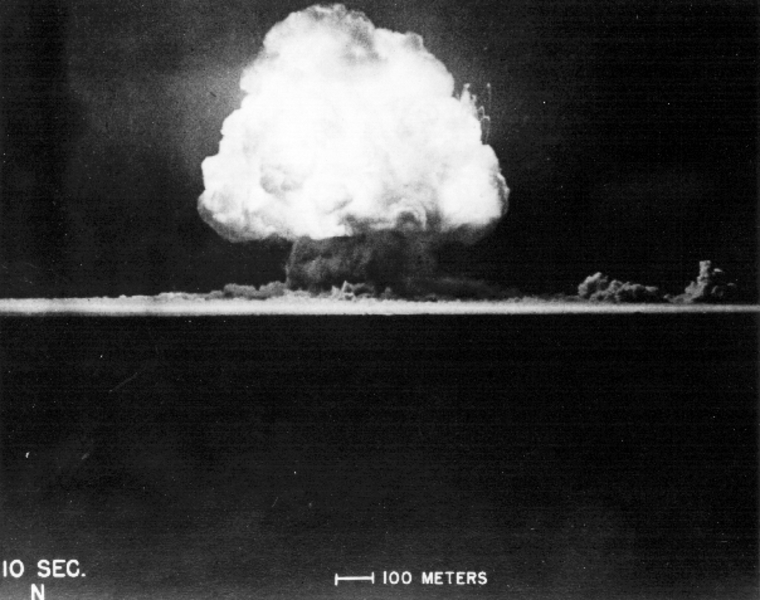
Emily Mullin analyzes the state of the world’s nuclear security seventy-five years after the detonation of the first atomic bomb
Energy Exports as Canada’s Gateway to the Indo-Pacific
Posted on Author Baichao Chen
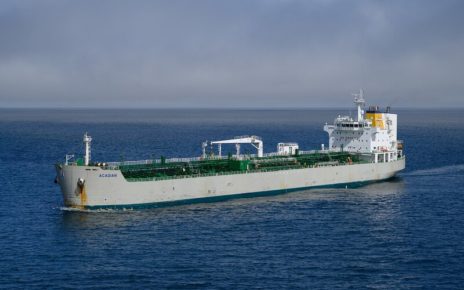
In this article, Baichao Chen explores Canada’s opportunity to expand its position in Asia via the export of energy.